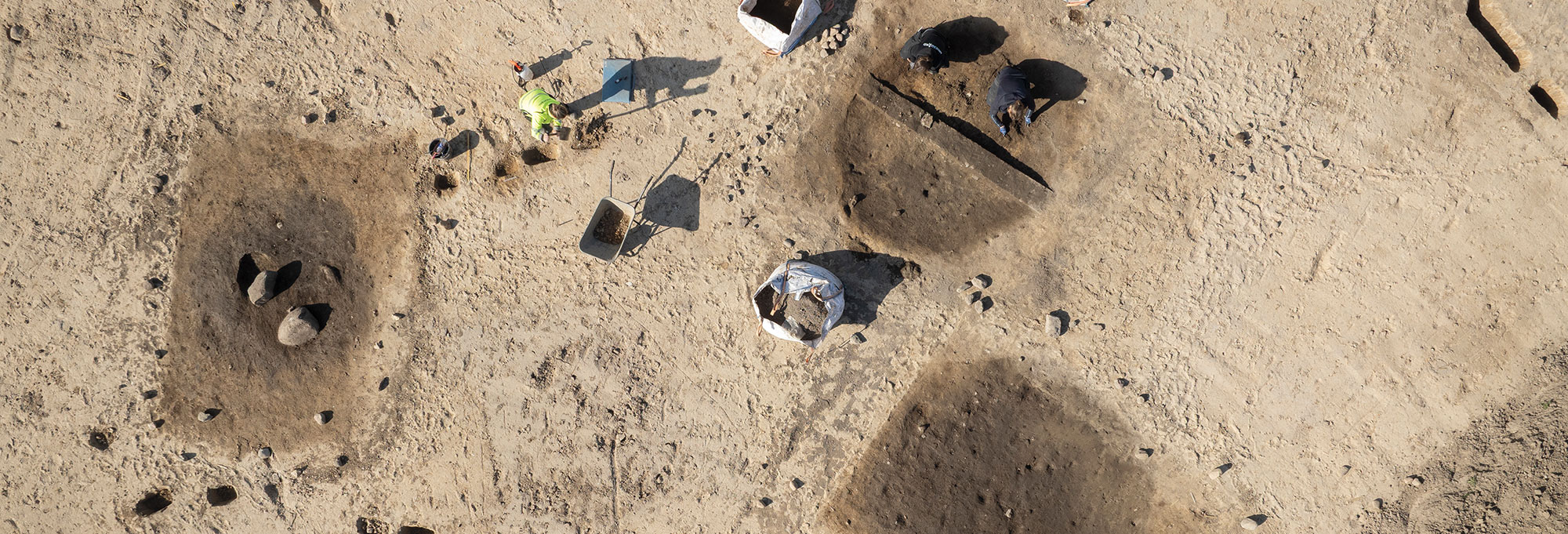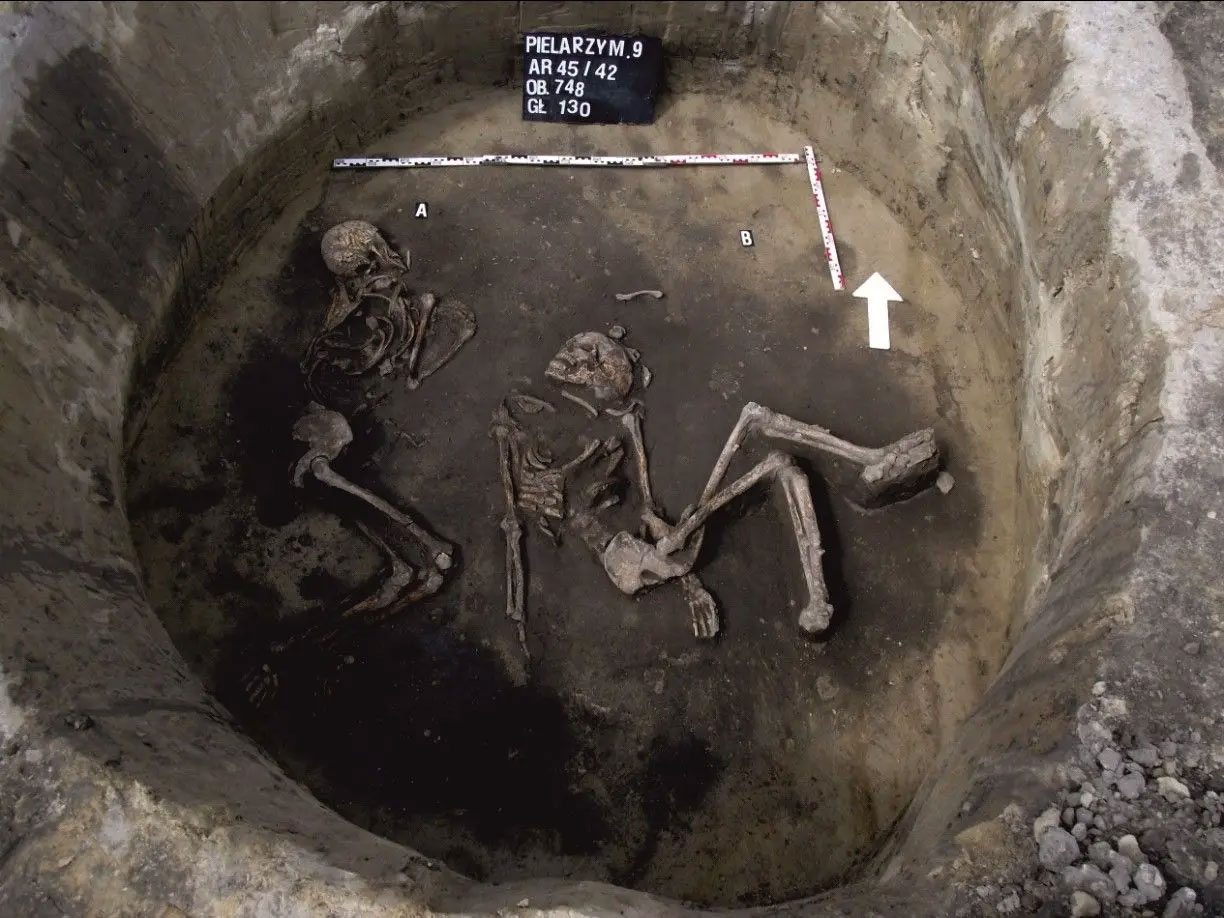
POZNAŃ, POLAND—Millet was grown and consumed in Poland around 1590 B.C., or about 100 years earlier than previously thought, Science in Poland reports. Przemysław Makarowicz of Adam Mickiewicz University and his colleagues analyzed the isotopes in the teeth and bones of more than 190 individuals whose remains were recovered at archaeological sites in Poland and dated to between 2200 and 1000 B.C. The study suggests that millet, which is drought-resistant and grows quickly, was introduced gradually into the diet and became more important over time. “The introduction of the new plant did not bring about a revolution involving the complete replacement of wheat or barley,” Makarowicz said. “Individuals who consumed millet and those who did not shared similar archaeological and genetic profiles. Strontium isotope analyses indicate that the earliest millet consumers originated from southeastern Poland,” he added. But the spread of millet into Poland has not been tied to the arrival of new groups of migrants, Makarowicz explained. Read the original scholarly article about this research in Science Advances. To read more about early cultivation of millet, go to “The Ancient Promise of Water: Like Water for Wheat.”