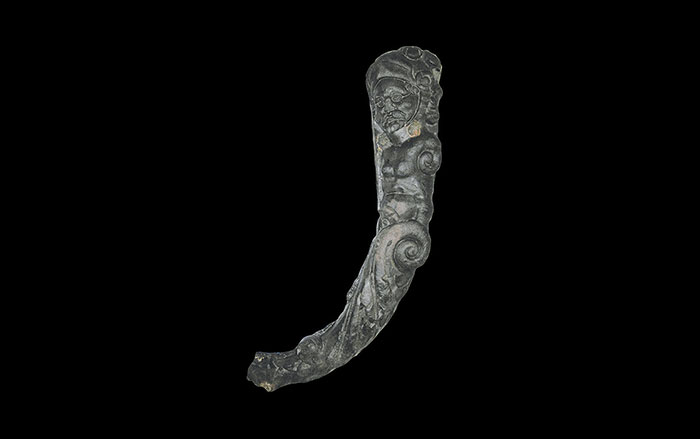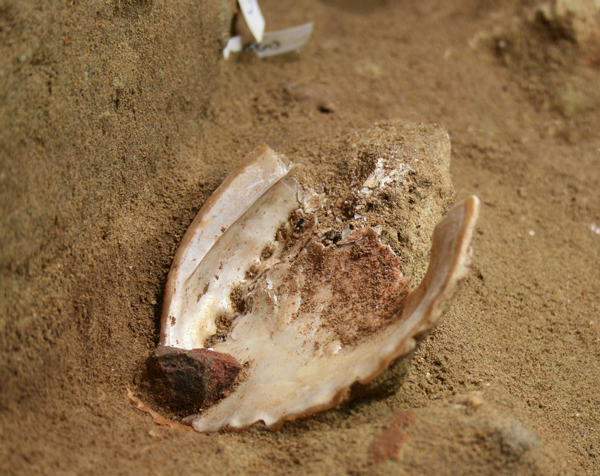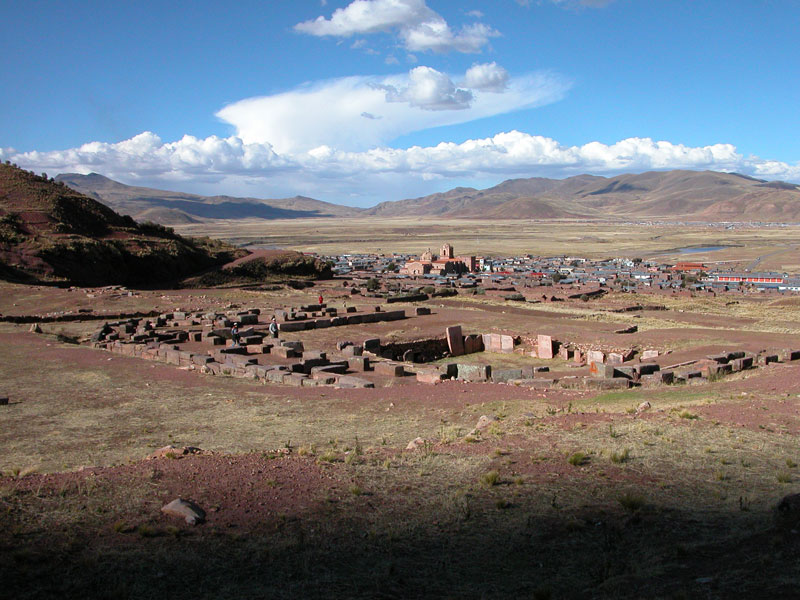
(Courtesy Charles Stanish, Cotsen Institute of Archaeology at the University of California, Los Angeles)
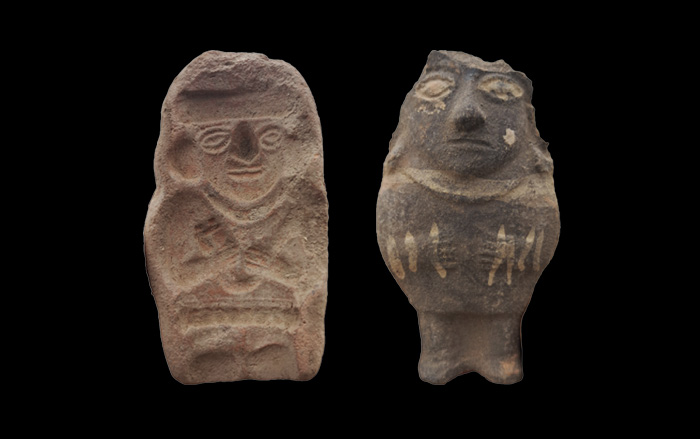
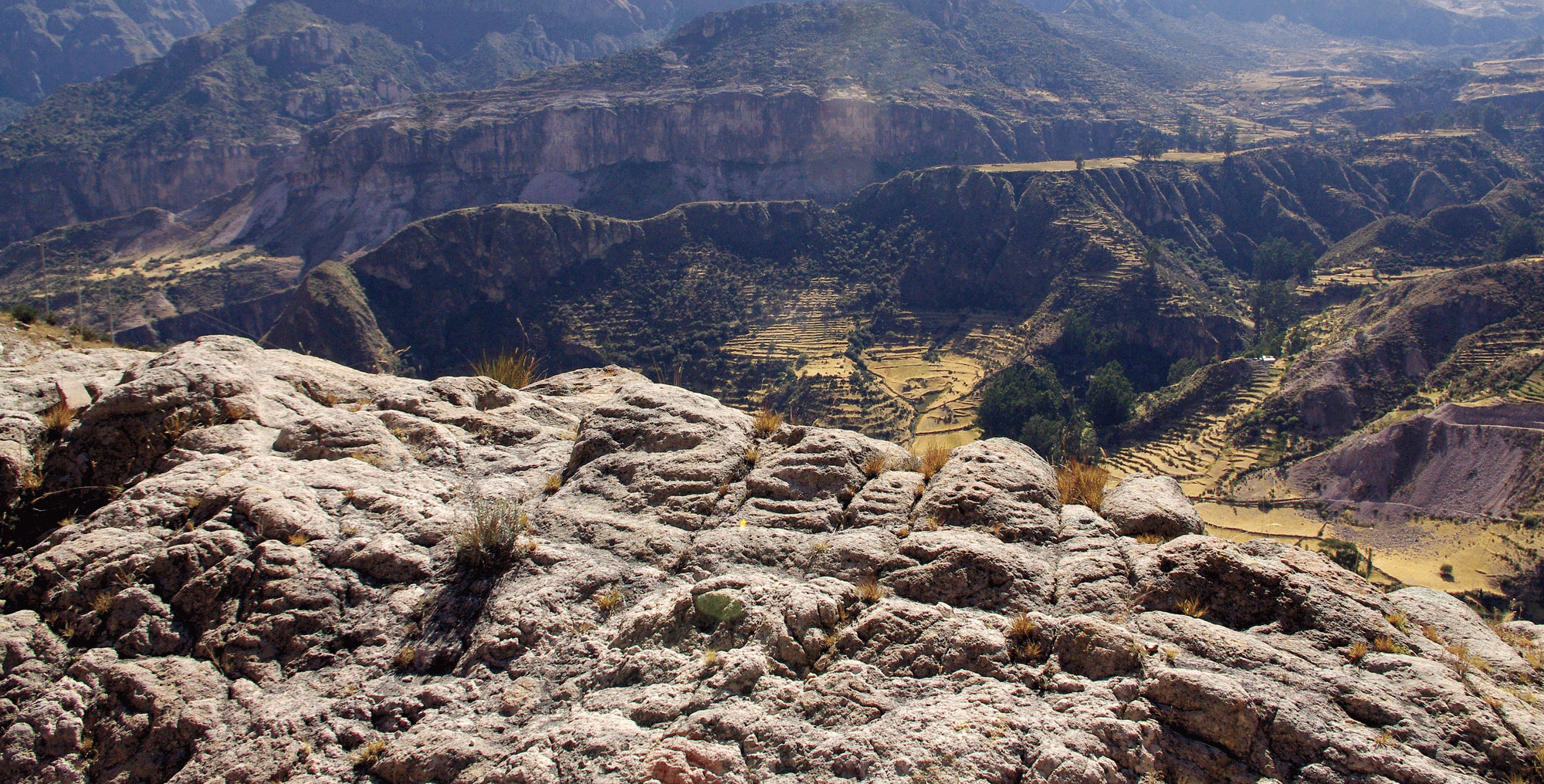
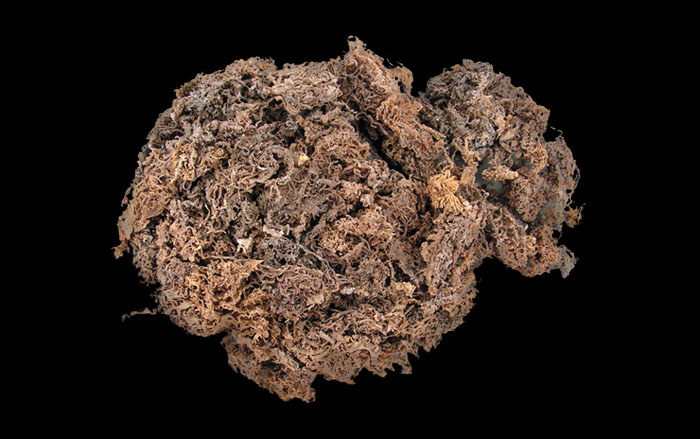
Near the northern end of Lake Titicaca in Peru, a team led by Charles Stanish of the University of California, Los Angeles, found evidence that warfare may have been critical in the formation of early states. The main line of evidence is a 38-yard-long layer of ash and debris in a high-status residential area of a settlement called Taraco, one of the two largest political centers in the region. The site-wide burn, dated to the first century A.D., was so intense it melted adobe walls and carbonized thatched roofs.
Taraco's fortunes changed drastically after the fire. The production of high-quality pottery and obsidian artifacts plummeted, and residents shifted from building with fine stone to working in the fields. At the same time, the nearby settlement of Pukara took off, expanding its territory by at least 60 miles and showing characteristics of state-level societies such as urbanized settlements, a warrior class, and full-time craft specialists.
Put all that evidence together, and Stanish theorizes that Pukara attacked and destroyed its rival Taraco. After two millennia of coexistence, war had come to the Titicaca Basin—but instead of snuffing the early spark of civilization, it served as tinder. Cooperation between cultures can certainly be a path to success, but sometimes organized conflict can be a more efficient, logical way to acquire resources.
"The models of state formation that do not see warfare as a central key element do not have it right," says Steve LeBlanc of Harvard University.