SOUTH KOREA
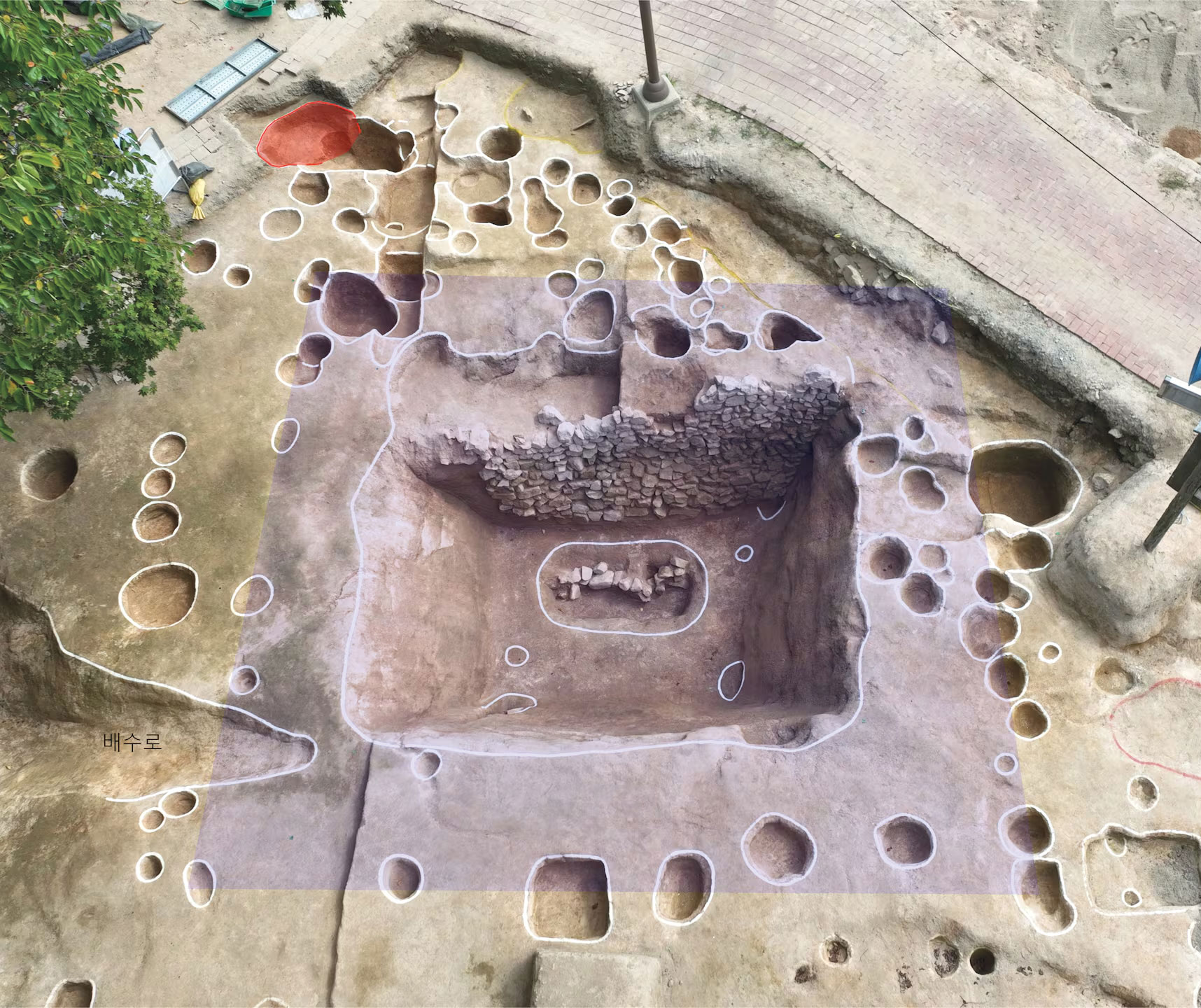
Refrigerators have been common in modern households for less than a century, but 1,600 years ago, rulers of the Baekje Kingdom (18 b.c.–a.d. 660) enjoyed chilled beverages, even during the hot summer months. Excavators at the Busosanseong Fortress unearthed an ingenious subterranean storage chamber cut into the fortress’ bedrock foundations, the earliest of its kind ever discovered. This facility was intended for long-term ice storage and food preservation, attesting not only to its designers’ ingenuity, but to the privileges enjoyed by the kingdom’s royal family.
Related Content
Around the World July/August 2026
SOUTH KOREA
Around the World May/June 2025
SOUTH KOREA
ISRAEL
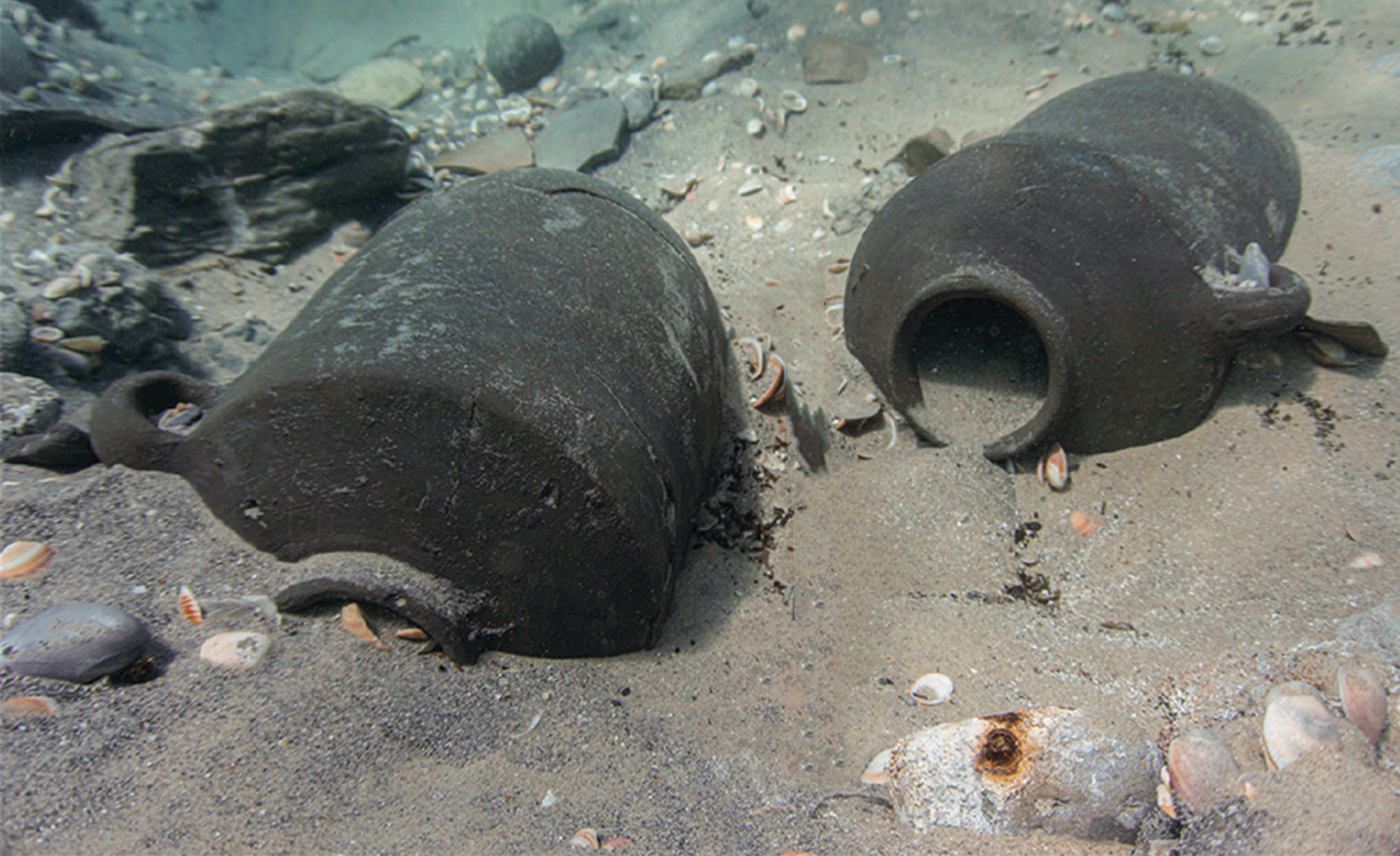
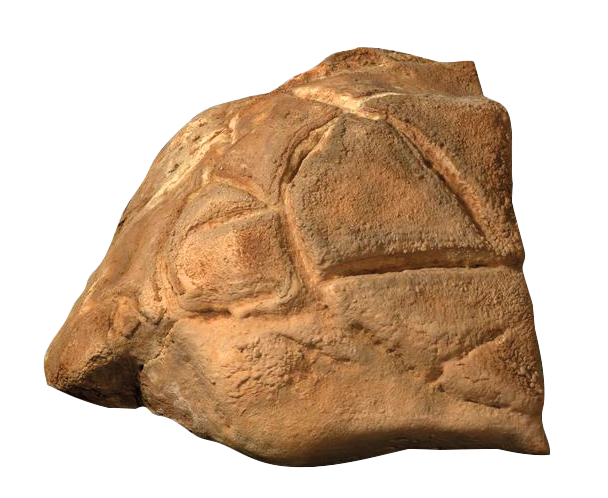
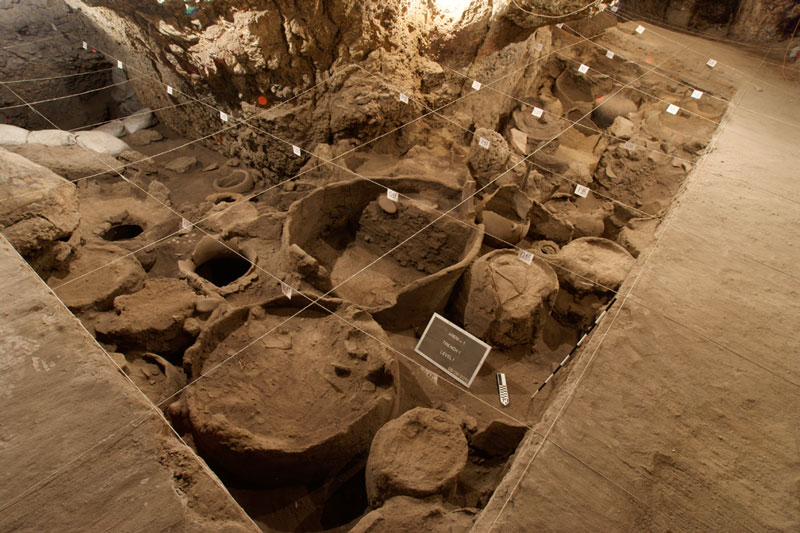
The Late Bronze Age collapse, around 1200 b.c., brought the first great era of Mediterranean seafaring to an end. Many ports along the eastern Mediterranean witnessed centuries of decline in maritime trade. The city of Dor did not suffer this fate. Three recently identified Iron Age (ca. 1200–550 b.c.) shipwrecks from the Dor Lagoon, the first ever found in the region, suggest the city remained a busy hub between the 11th and 7th centuries b.c.
Related Content


IRAQ
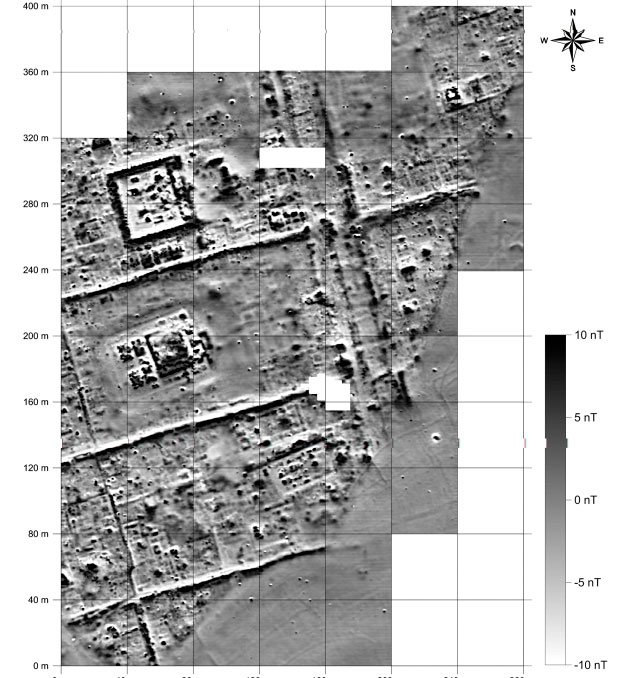
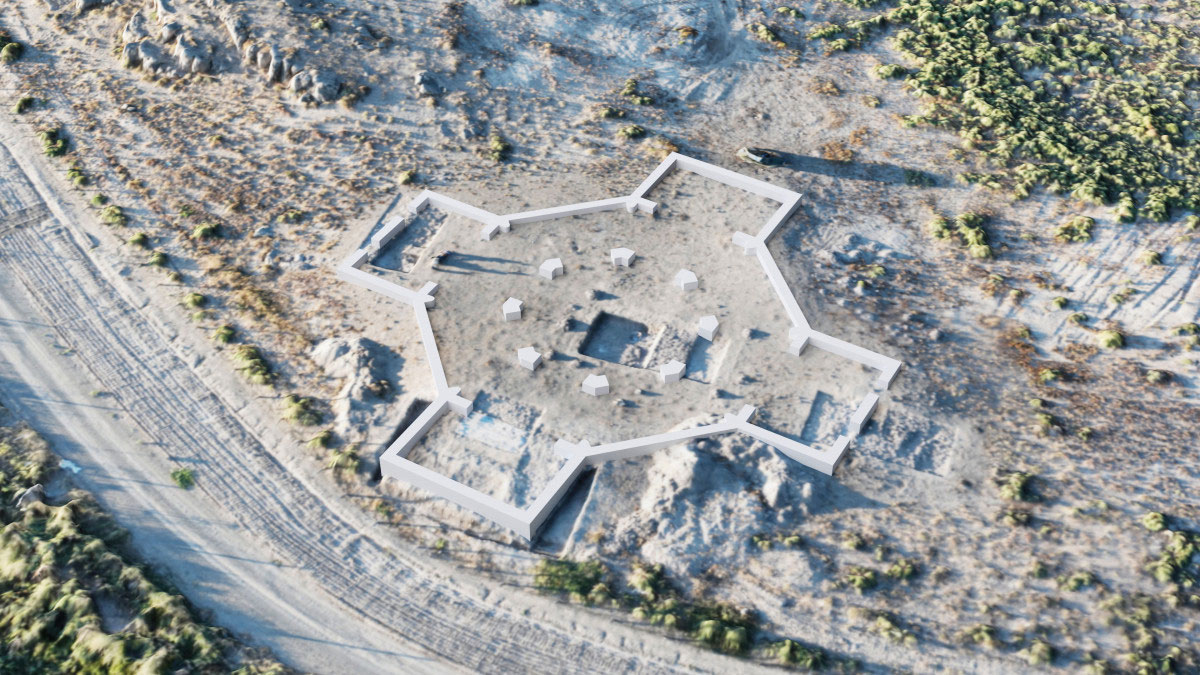
A surprisingly ancient monumental structure was unearthed at the site of Kani Shaie, at the base of the Zagros Mountains. The 5,000-year-old building likely served a public or religious function. Its architecture shows strong connections with Uruk, 300 miles to the south, which is often called the world’s first metropolis. The discovery indicates that Kani Shaie was not as peripheral as once thought. Instead, it was deeply entwined with the Fertile Crescent’s major social and political developments in the Early Bronze Age.
Related Content
ARMENIA
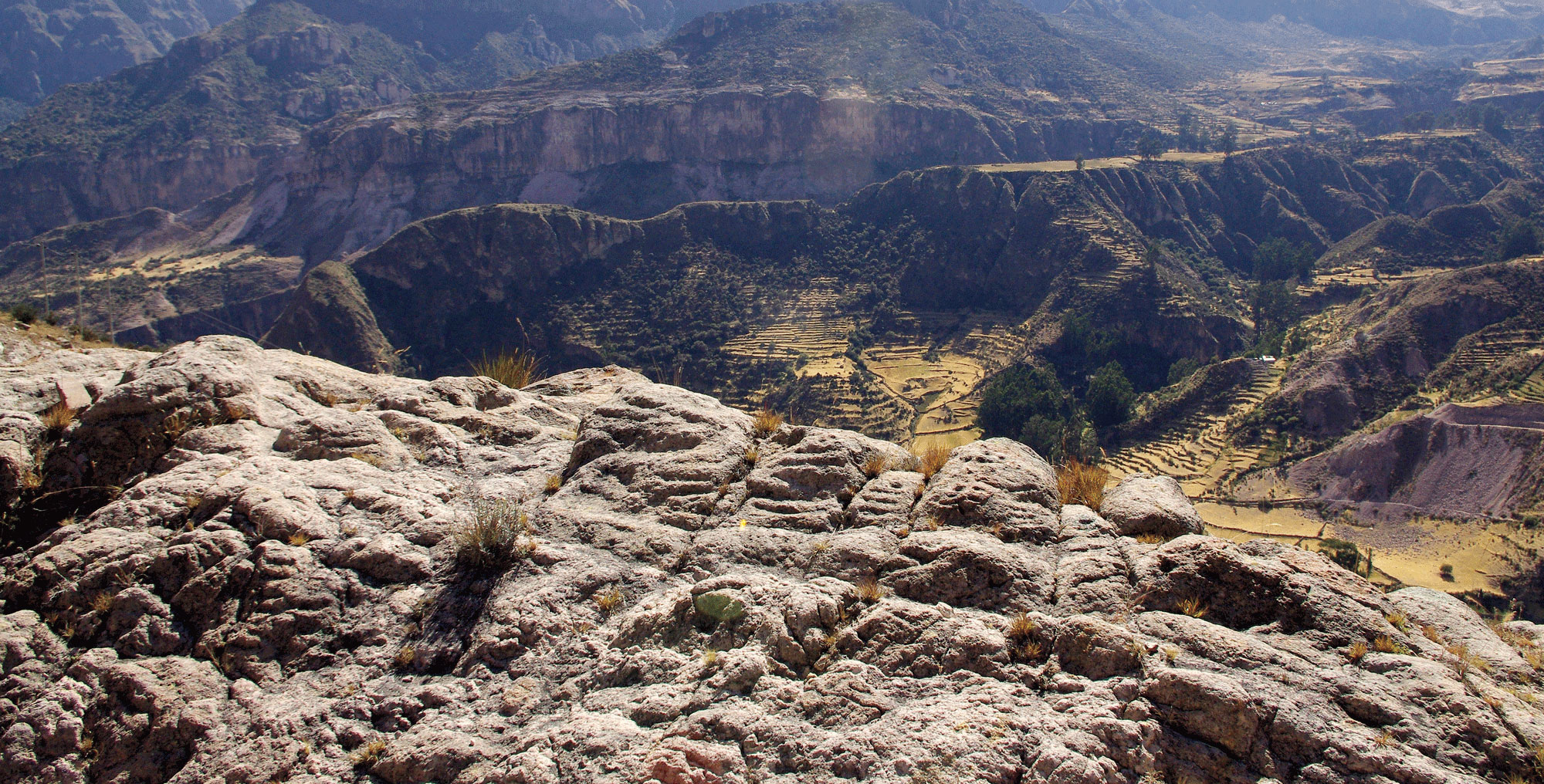
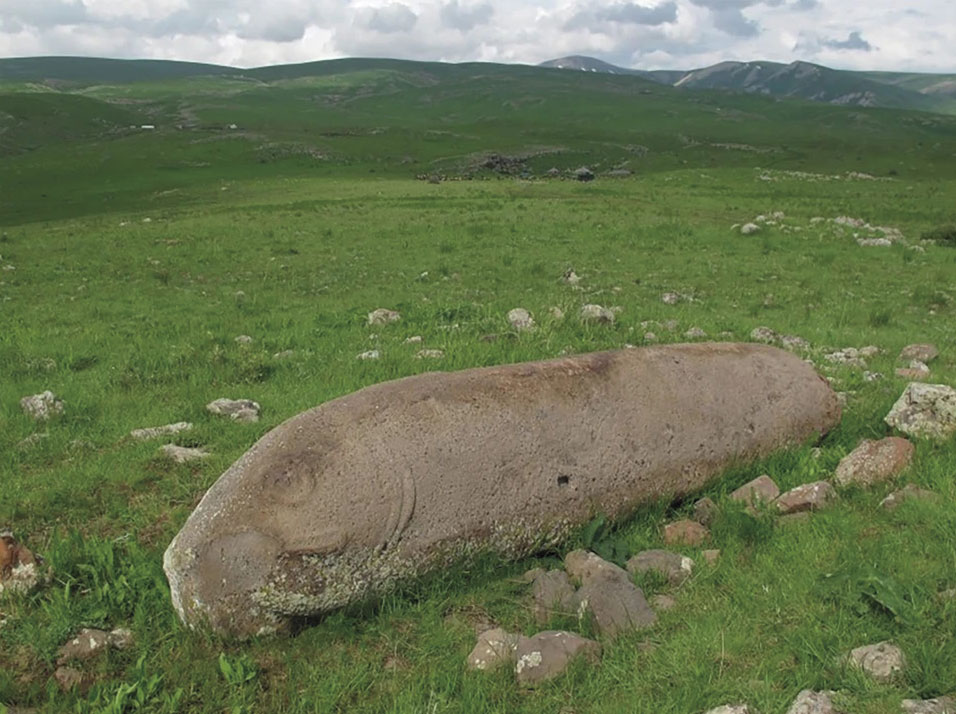
Dozens of enigmatic steles known as vishaps, or “dragon stones,” dot Armenia’s high-altitude pastures. Many are decorated with animal imagery, especially fish. Until recently, archaeologists didn’t know exactly when or why they were created. New research conducted on Mount Aragats suggests these monoliths were erected around 8,000 years ago near springs or streams that provided water for agricultural communities in the valleys below. Vishaps were likely associated with ancient cults that celebrated water as a life-sustaining force.
Related Content
EGYPT
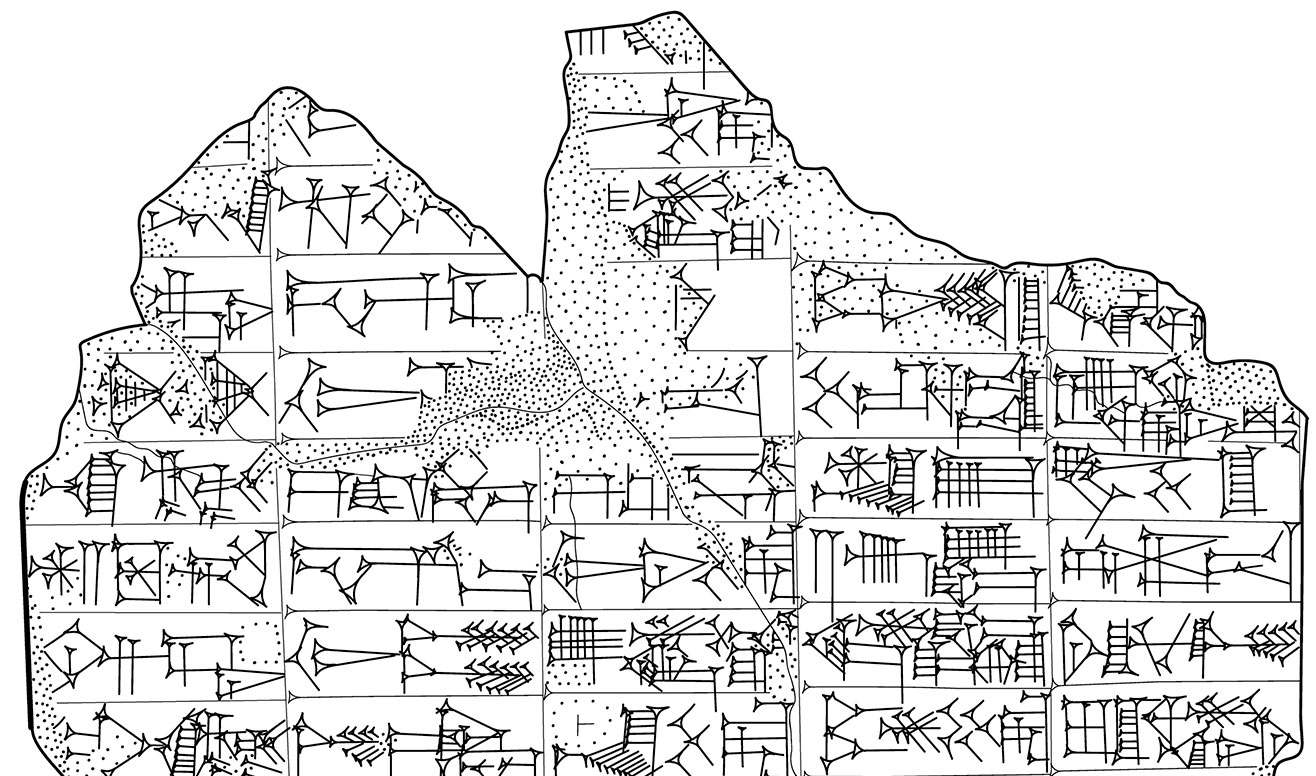
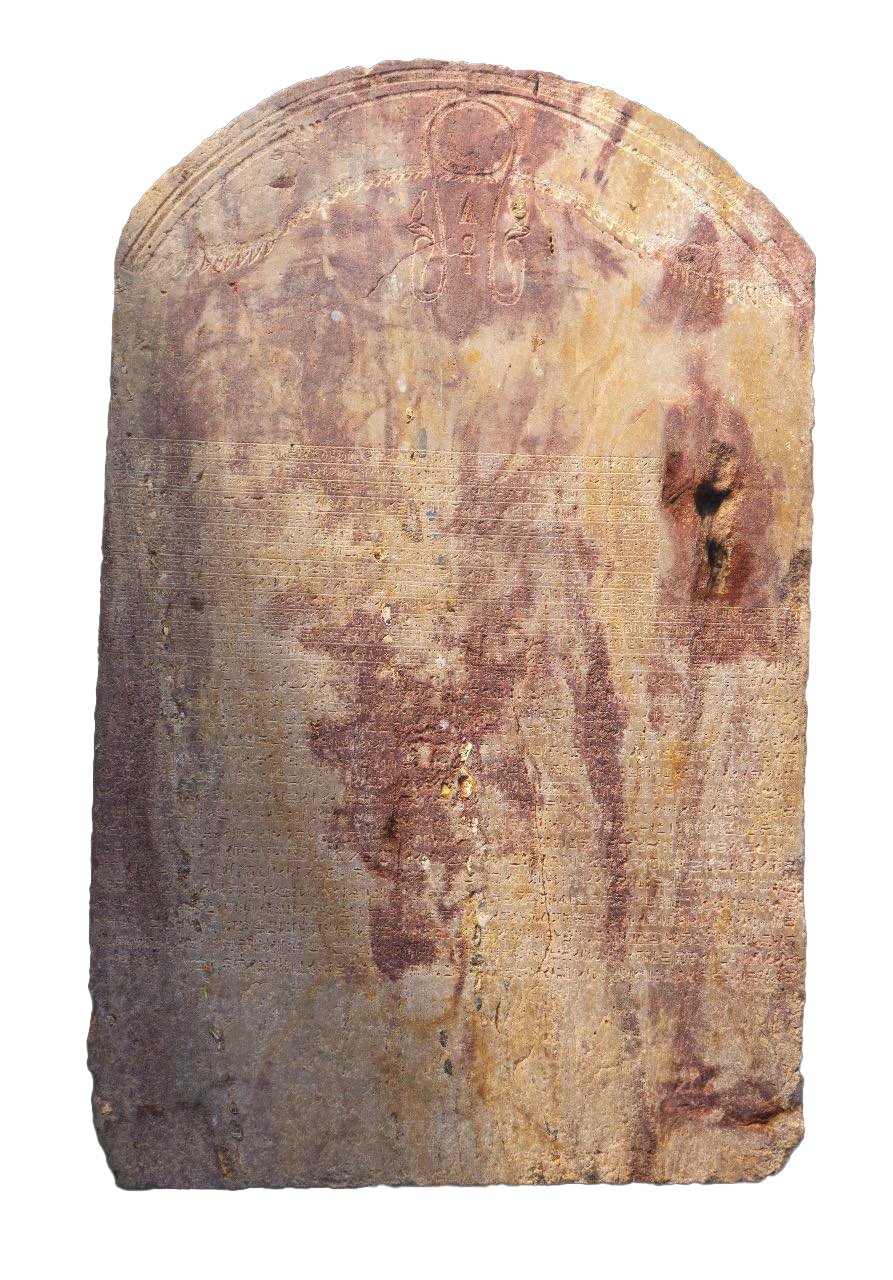
A new complete copy of the Canopus Decree, the first found in 150 years, was uncovered at the site of Tell al-Faraun. The royal proclamation was issued by Ptolemy III Euergetes in 238 b.c. and celebrated the political achievements and religious contributions of the king and his wife, Berenice II. The edict was carved on steles displayed in temples across Egypt. The six previously unearthed copies of the decree were all written using three different scripts—hieroglyphic, Demotic, and Greek—but the recently discovered example was inscribed entirely in hieroglyphs.
Related Content
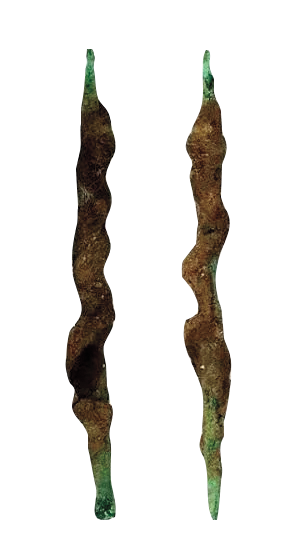

LATVIA
Prehistoric stone tools such as blades and projectile points have long been associated solely with men. However, a survey of material from the enormous Zvejnieki necropolis determined that between 7500 and 2500 b.c., women were just as likely—or even more so—to be buried with stone tools than were men. This is forcing a reconsideration of gender stereotypes in prehistory.
Related Content
Features January/February 2017
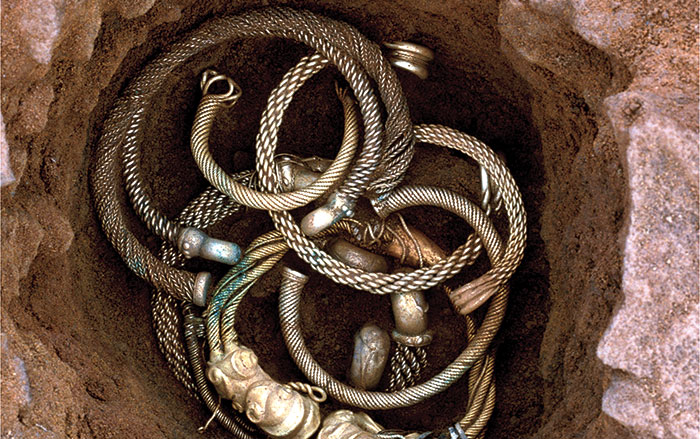
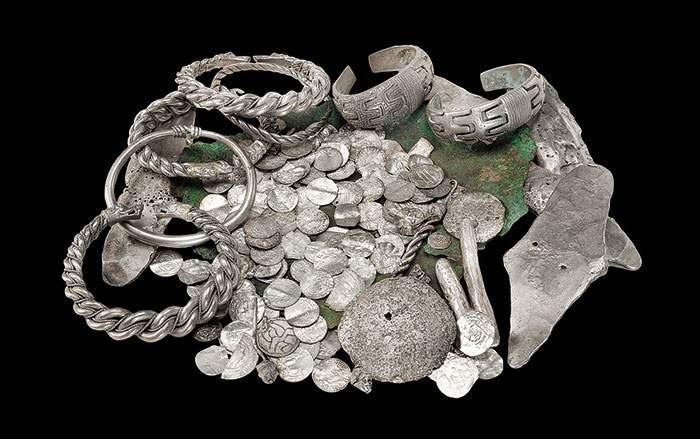
Hoards of the Vikings
Evidence of trade, diplomacy, and vast wealth on an unassuming island in the Baltic Sea
POLAND
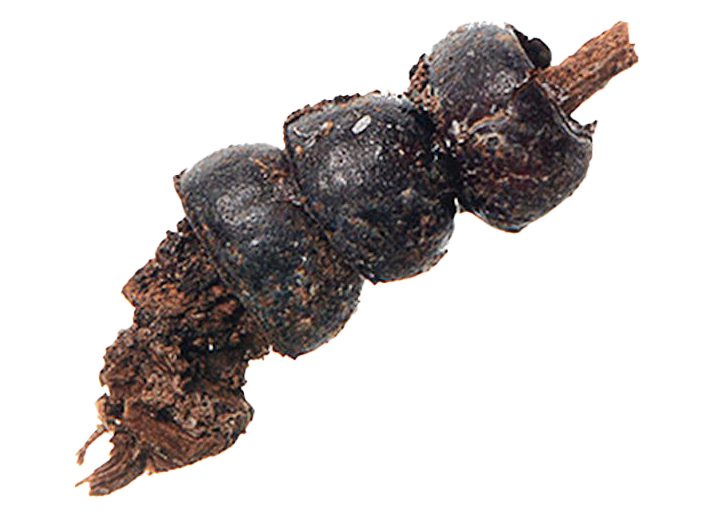
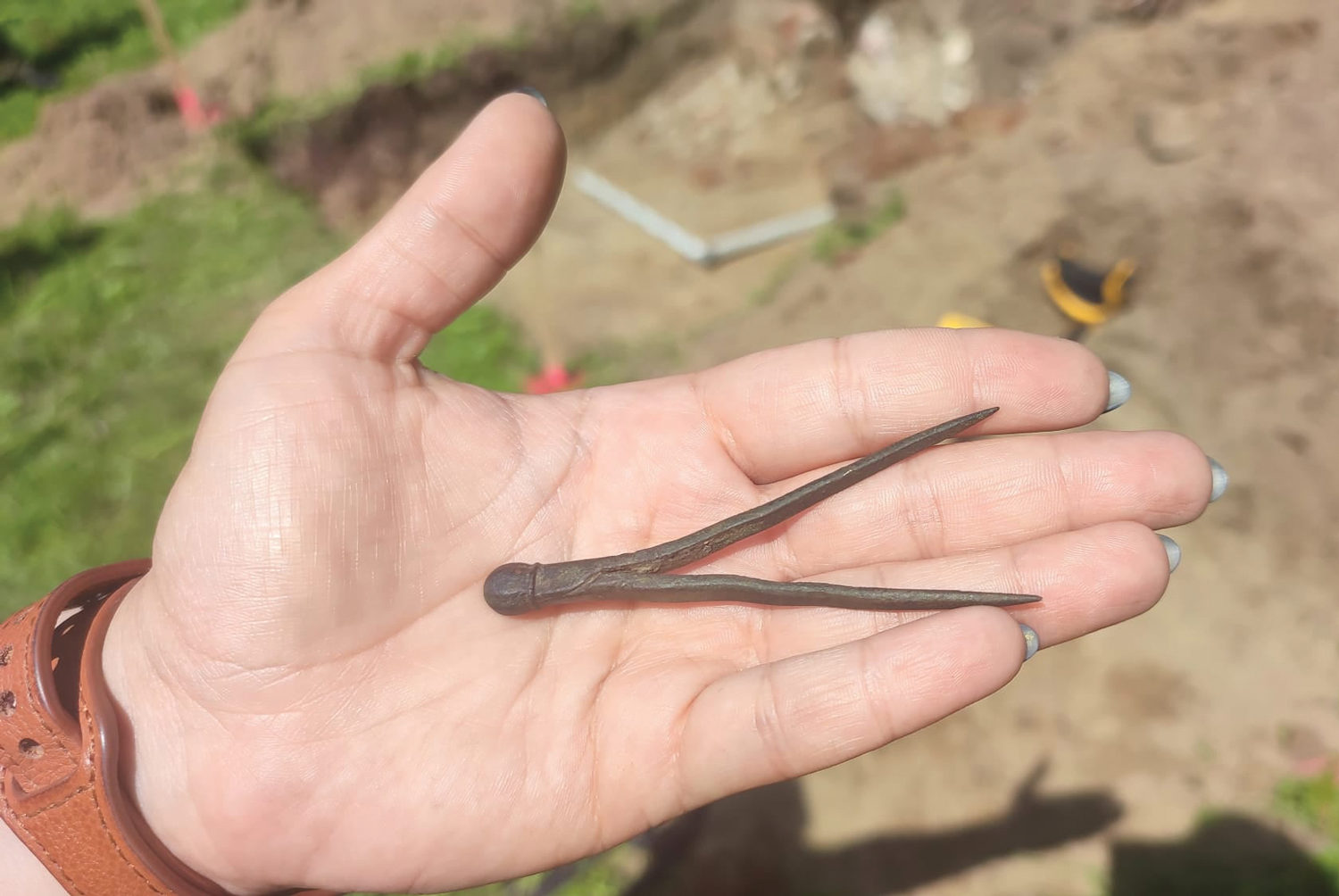
A child of the Lusatian Urnfield culture who died near the modern village of Domasław around 2,600 years ago was interred with an assortment of ordinary items, including burned sheep or goat bones, fragments of birch bark, and a bronze brooch. Buried among these everyday items were 17 carefully arranged weevil exoskeletons that caught archaeologists’ attention. They believe the delicate insect parts were strung on a blade of grass and worn as a necklace, perhaps as a simple adornment or as a way to ensure the child’s protection.
Related Content
FRANCE
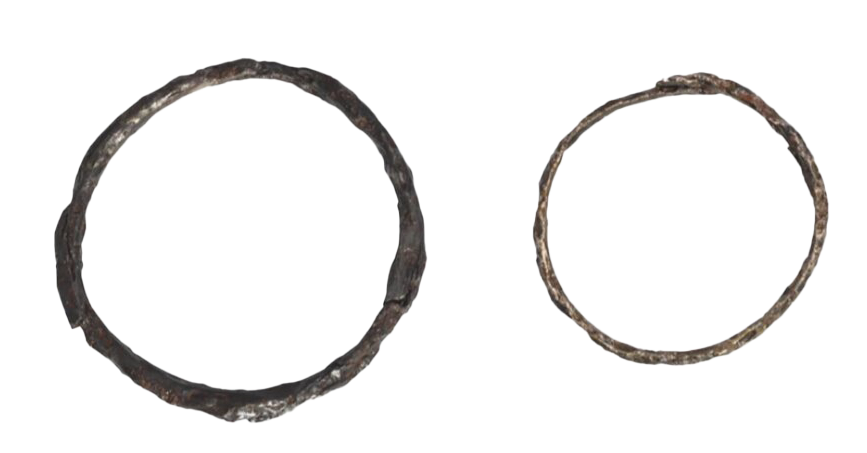
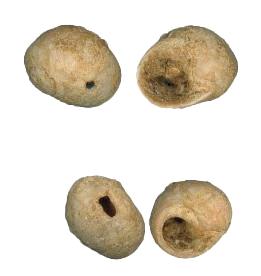
Both pierced and unpierced shells as well as red and yellow pigments from the site of La Roche-à-Pierrot are evidence of the oldest-known jewelry workshop in western Europe. These artifacts date to the Châtelperronian period, between 55,000 and 42,000 years ago, when Neanderthals in Spain and France were slowly being replaced by Homo sapiens. Scholars are unsure exactly which of these species made the objects, but argue that they demonstrate that the people of the Châtelperronian period were either influenced by or belonged to a wave of modern human newcomers in the region.
Related Content
ARGENTINA
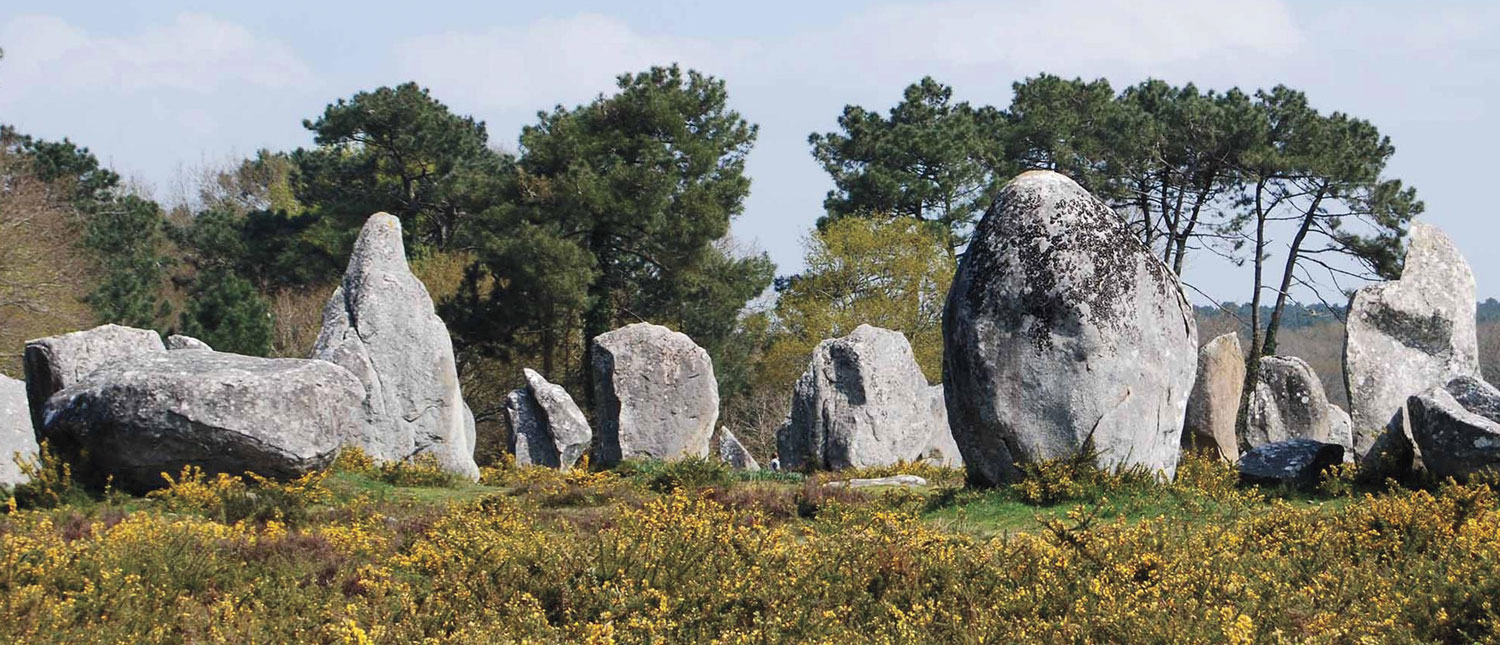
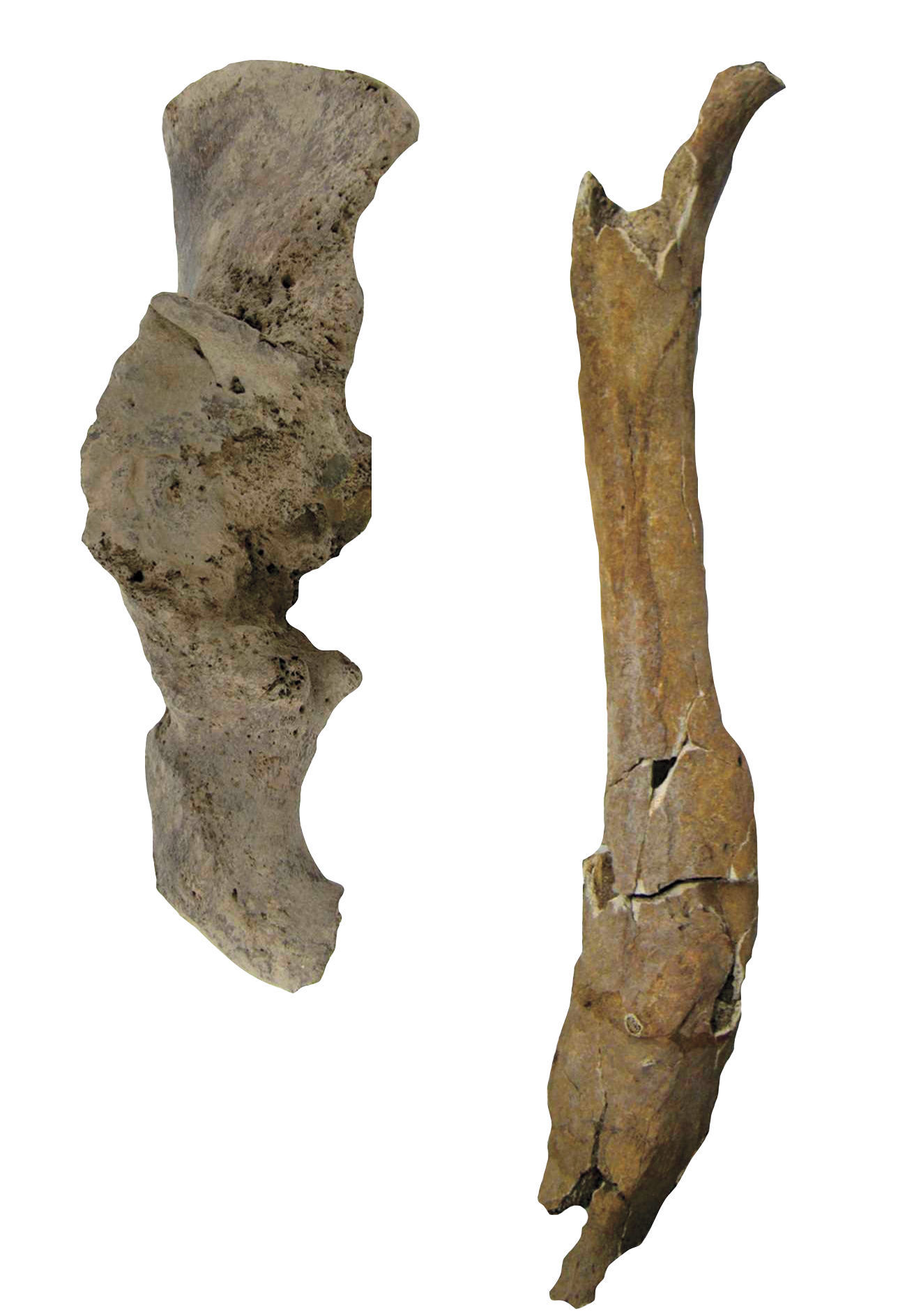
Although frequently on the move, ancient hunter-gatherers in Patagonia seem to have prioritized caring for their severely injured and sometimes immobile kin. Researchers examined skeletal remains of 189 people who died between 250 and 4,000 years ago. Many had suffered traumatic injuries, and around 13 percent would have required intensive medical care for at least six months, or even for their entire lives. Evidence of healing indicates some of the injured people lived for many years, which would only have been possible with help from their community.
Related Content

VIRGINIA
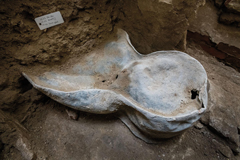
When English colonists founded Jamestown in 1607, they brought much-needed horses with them. According to recent examination of equid bones, they also brought donkeys, which are not mentioned in historical records. Isotope analysis indicates these animals weren’t transported from England but perhaps were picked up mid-journey in western Africa. This may explain why they aren’t listed on any ship’s manifest. The donkeys were, unfortunately, butchered by desperate colonists during the “starving time” winter of 1609–1610.