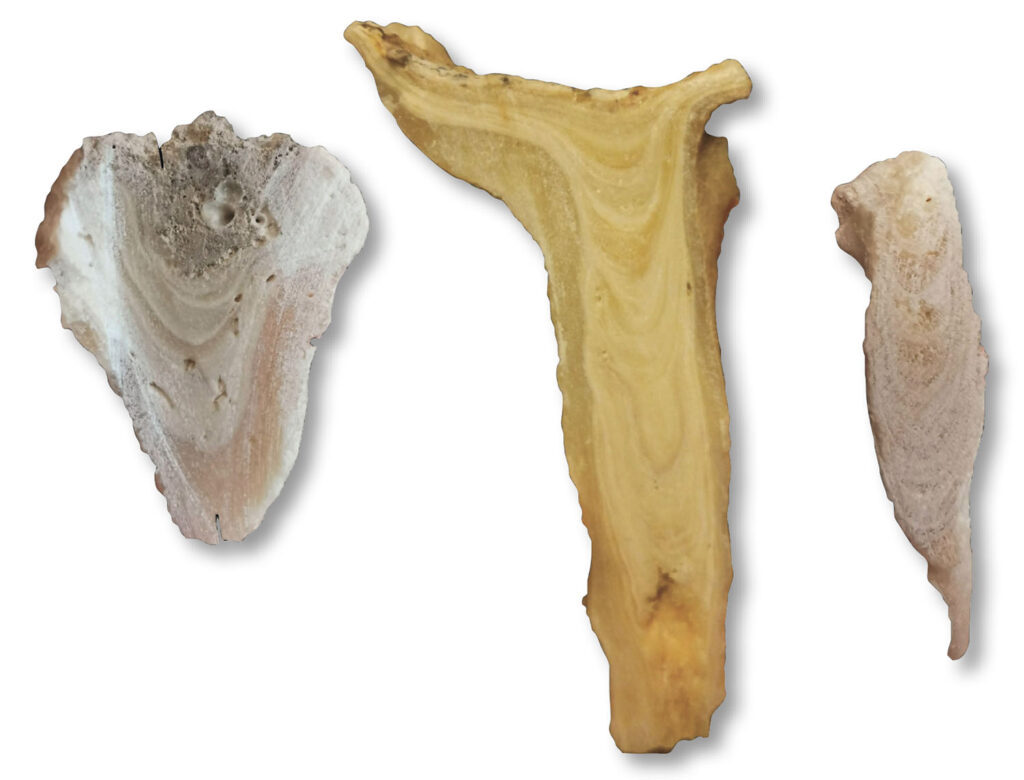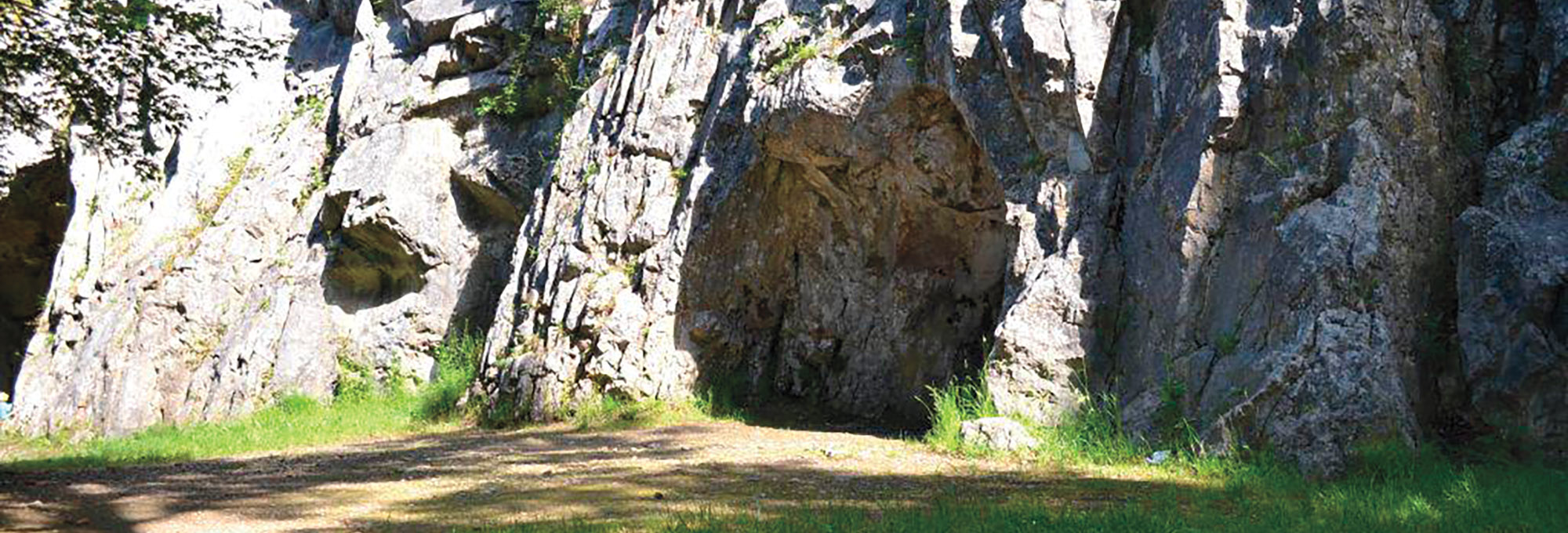
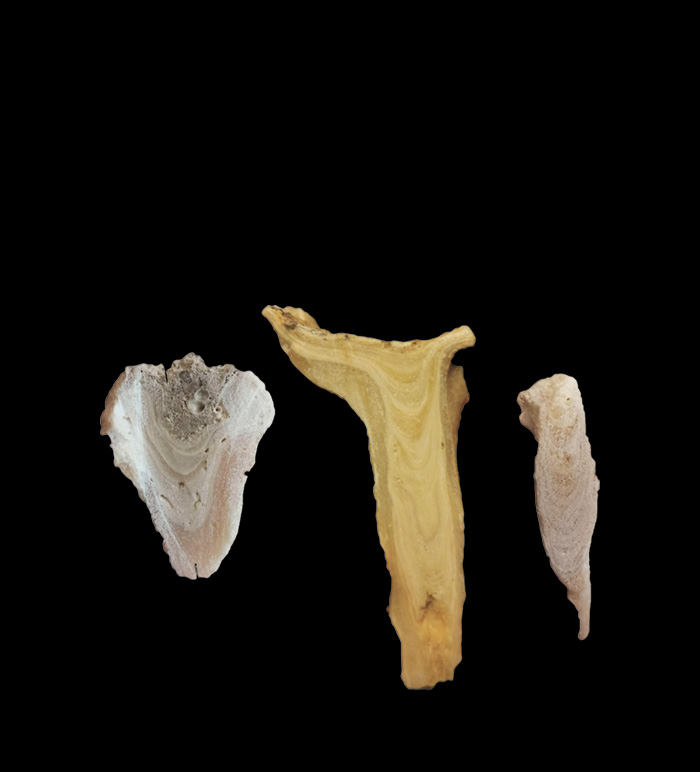
Five ancient tunnels along the banks of the Amal River in Israel’s Beth Shean Valley were revealed by construction work. The results of uranium-thorium dating of the tunnels’ stalactites as well as analysis of ceramics found in the passages indicated that they were dug around the fourteenth or fifteenth century, a time when the region was controlled by Egypt’s Mamluk Empire (1250–1517). In addition to their military prowess, the Mamluks were renowned for their hydraulic engineering projects and left behind vast irrigation networks, aqueducts, fountains, and baths. Archaeologists believe the newly discovered tunnels were part of a complex water-management system that helped power a sophisticated sugar-processing industry.
During the medieval period, the Beth Shean Valley was one of the largest sugar-producing areas in the Levant, and the Mamluks exported the coveted commodity throughout the eastern Mediterranean. Sugar manufacturing was labor intensive and required large amounts of water to power mills that crushed sugarcane to extract its juice. It’s now clear that the tunnels channeled a steady supply of water to facilities where it turned paddle wheels that rotated heavy millstones. Mamluk engineers were forced by circumstances to build their conduits underground. “Rather than using traditional open aqueducts, which would have been difficult to construct on the vertical scarp along the stream bank, the Mamluks carved tunnels through soft tufa rock, showing both engineering ingenuity and pragmatic adaptation to local conditions,” says archaeologist Amos Frumkin of the Hebrew University of Jerusalem. “This was pragmatic problem-solving.”