BRAZIL

Around the World July 1, 2011

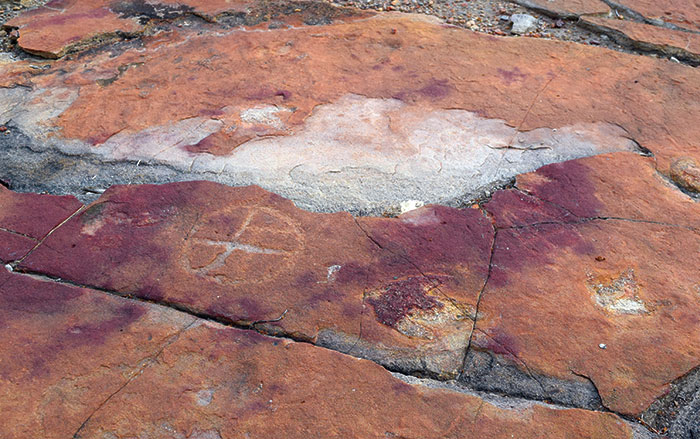
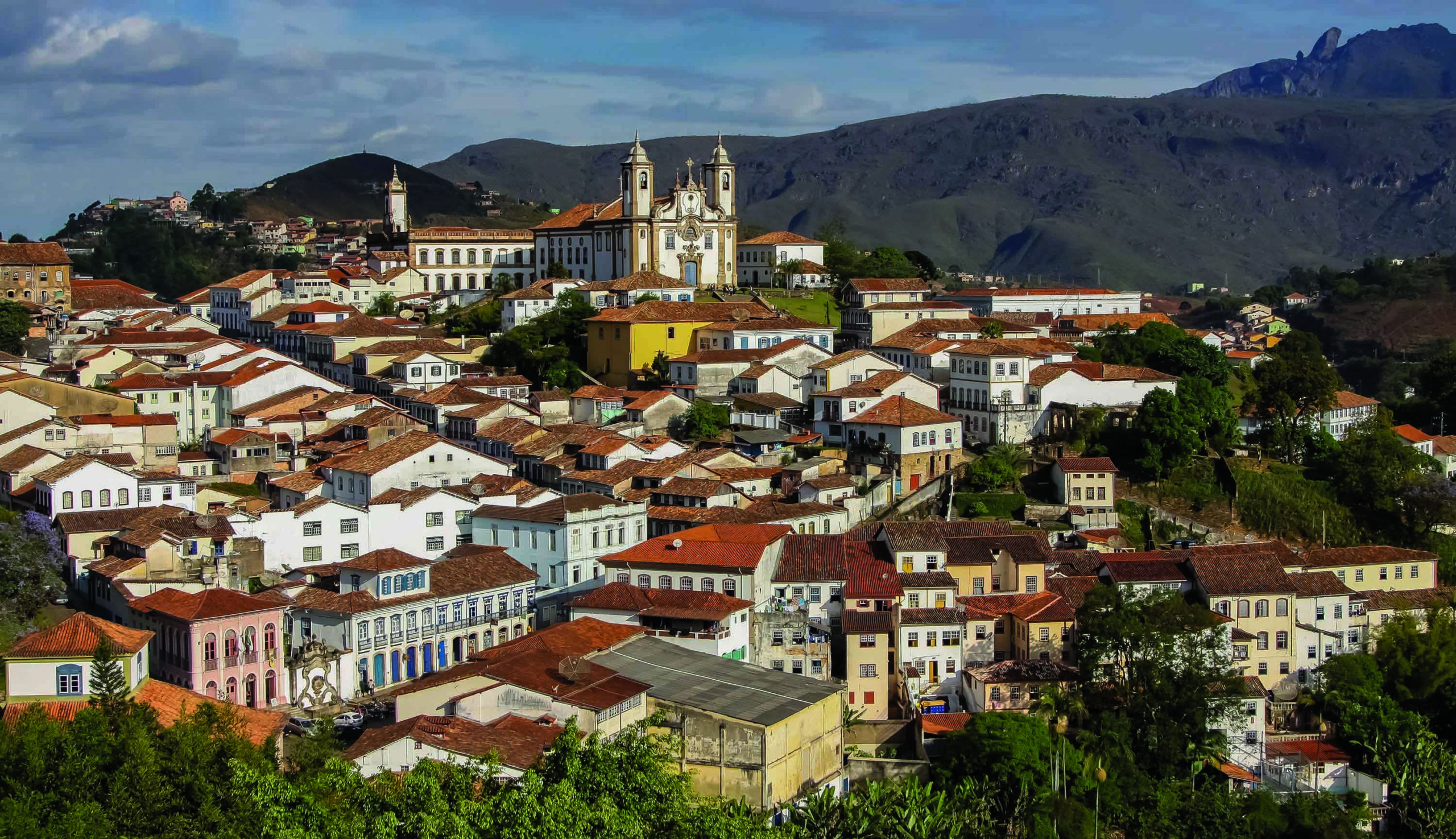
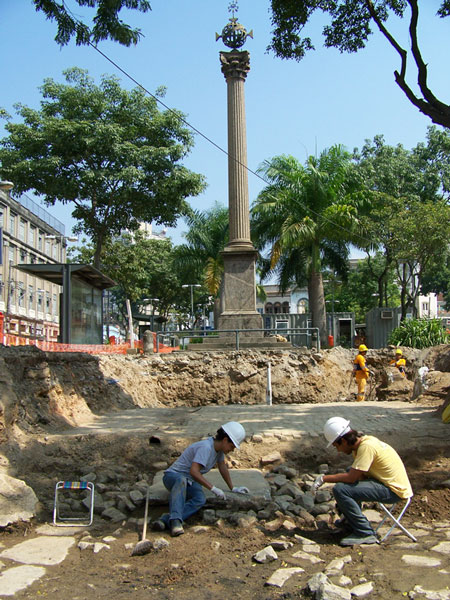
Digs being conducted on Rio de Janeiro's waterfront in advance of the 2016 Olympics have revealed the remains of Valongo Wharf, where as many as a million African slaves were unloaded and traded in the early 19th century.
SHARE:

BRAZIL: Digs being conducted on Rio de Janeiro's waterfront in advance of the 2016 Olympics have revealed the remains of Valongo Wharf, where as many as a million African slaves were unloaded and traded in the early 19th century. Once considered a shameful blot on the city's history, the site will now be preserved. It has produced artifacts of both Rio's ruling classes and slaves, including cowrie shells and amulets representative of African spiritual practices.
  • Features January/February 2026

    The Cost of Doing Business

    Piecing together the Roman empire’s longest known inscription—a peculiarly precise inventory of prices

    Read Article
    A digital reconstruction shows how the Civil Basilica in the city of Aphrodisias in southwestern Anatolia would have appeared with the Edict of Maximum Prices inscribed on its facade.
    Ece Savaş and Philip Stinson
  • Features January/February 2026

    The Birds of Amarna

    An Egyptian princess seeks sanctuary in her private palace

    Read Article
    The Metropolitan Museum of Art, New York/ Rogers Fund, 1930
  • Features January/February 2026

    Taking the Measure of Mesoamerica

    Archaeologists decode the sacred mathematics embedded in an ancient city’s architecture

    Read Article
    Courtesy Claudia I. Alvarado-León
  • Features January/February 2026

    Stone Gods and Monsters

    3,000 years ago, an intoxicating new religion beckoned pilgrims to temples high in the Andes

    Read Article
    The ritual center of Chavín de Huántar flourished in northern Peru.
    Courtesy John Rick