MONGOLIA

Around the World May 1, 2011

 Can massive drops in human population due to war or disease lead to declines in atmospheric carbon dioxide?
SHARE:

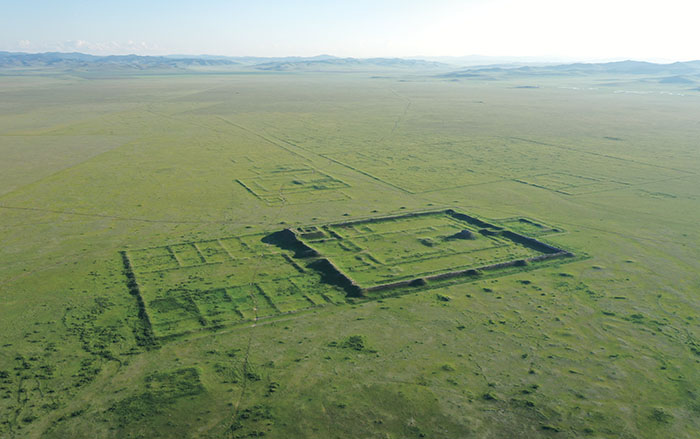
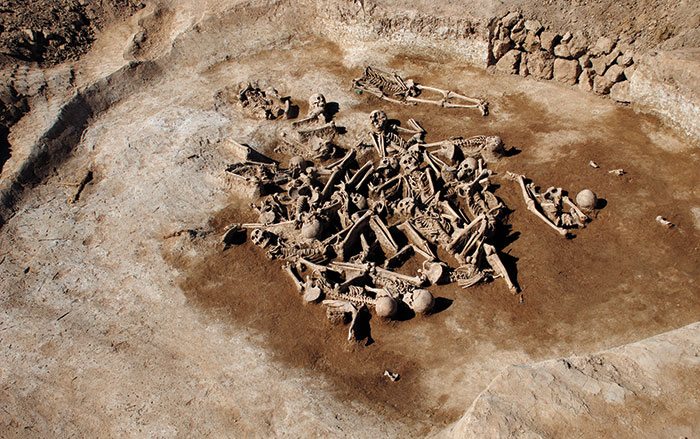
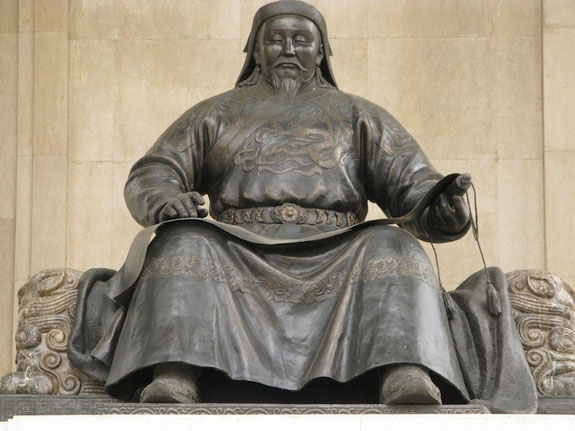
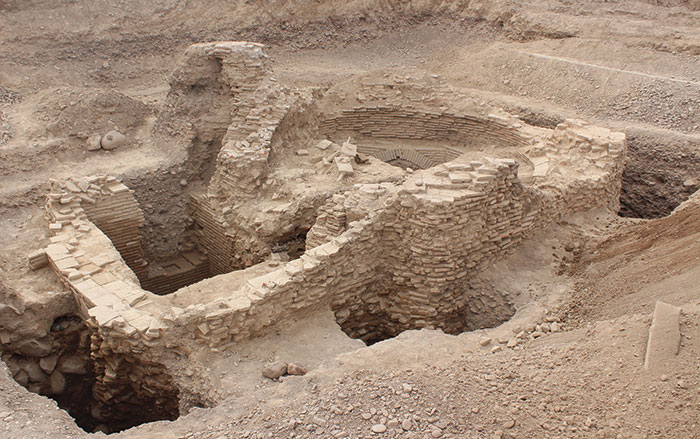
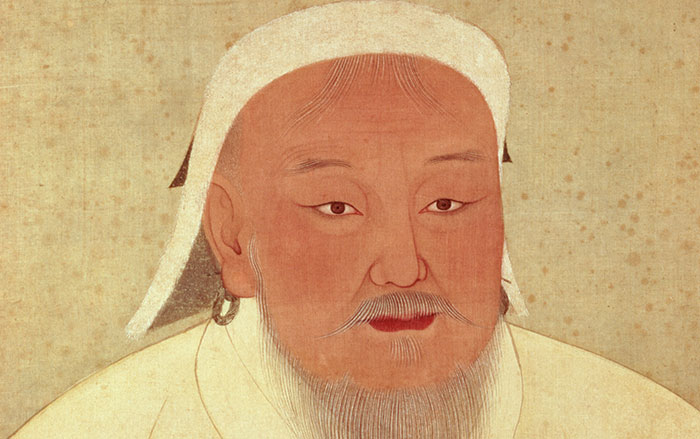
MONGOLIA: Can massive drops in human population due to war or disease lead to declines in atmospheric carbon dioxide? Researchers looked at four such events, including the Black Death and the European conquest of the Americas, to determine the carbon impact of subsequent decreases in agriculture and increases in forest growth. The answer is a qualified "no"—forests regrow slowly and may have been cut down elsewhere. The modest exception was Genghis Khan's rampage through Asia in the 1200s, though it caused only a small drop in carbon dioxide that has since been negated many times over.
  • Features January/February 2026

    The Cost of Doing Business

    Piecing together the Roman empire’s longest known inscription—a peculiarly precise inventory of prices

    Read Article
    A digital reconstruction shows how the Civil Basilica in the city of Aphrodisias in southwestern Anatolia would have appeared with the Edict of Maximum Prices inscribed on its facade.
    Ece Savaş and Philip Stinson
  • Features January/February 2026

    The Birds of Amarna

    An Egyptian princess seeks sanctuary in her private palace

    Read Article
    The Metropolitan Museum of Art, New York/ Rogers Fund, 1930
  • Features January/February 2026

    Taking the Measure of Mesoamerica

    Archaeologists decode the sacred mathematics embedded in an ancient city’s architecture

    Read Article
    Courtesy Claudia I. Alvarado-León
  • Features January/February 2026

    Stone Gods and Monsters

    3,000 years ago, an intoxicating new religion beckoned pilgrims to temples high in the Andes

    Read Article
    The ritual center of Chavín de Huántar flourished in northern Peru.
    Courtesy John Rick