At least as early as the ninth century b.c., people traveled to Odysseus’ home island of Ithaca to honor the renowned hero. In a seaside cave on the northwest side of the island, early twentieth-century archaeologists found objects that were likely left as offerings to Odysseus. These included ninth- or eighth-century b.c. bronze cauldrons that recall those given to the hero by the mythical Phaeacian people in the Odyssey and a fragment of a clay mask incised with the words “a vow to Odysseus” left there around 100 b.c. “In the Hellenistic [323–30 b.c.] and Roman periods, there was a general trend toward hero cult, specifically of the Homeric heroes,” says University of Ioannina archaeologist Yannos G. Lolos. He believes these cults reflected the collective memory of sacred places tied to the lives of these heroes.
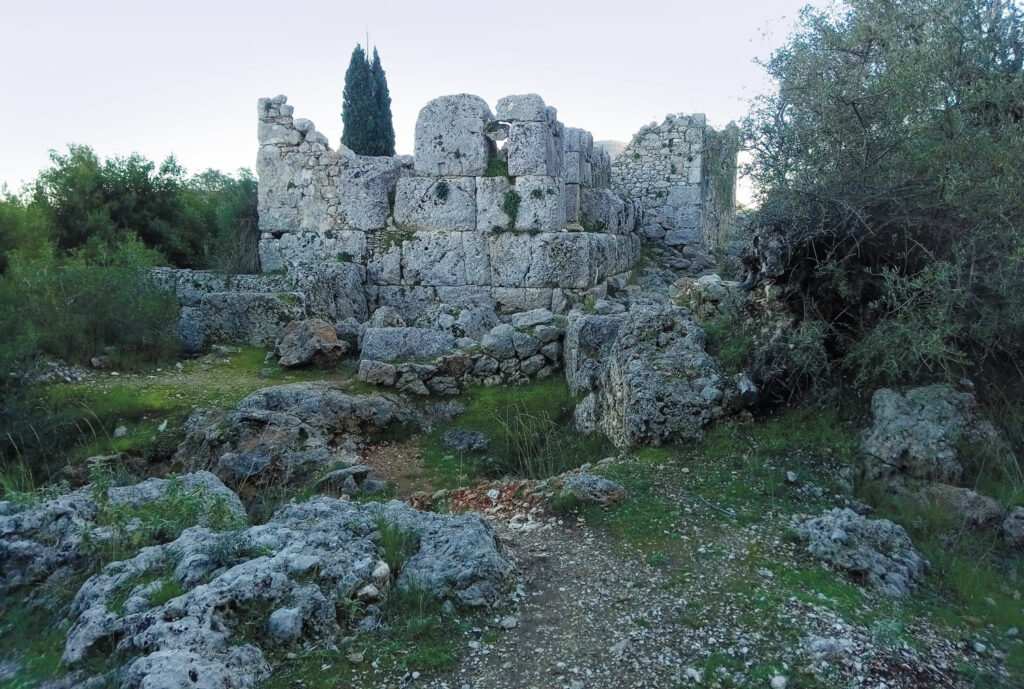
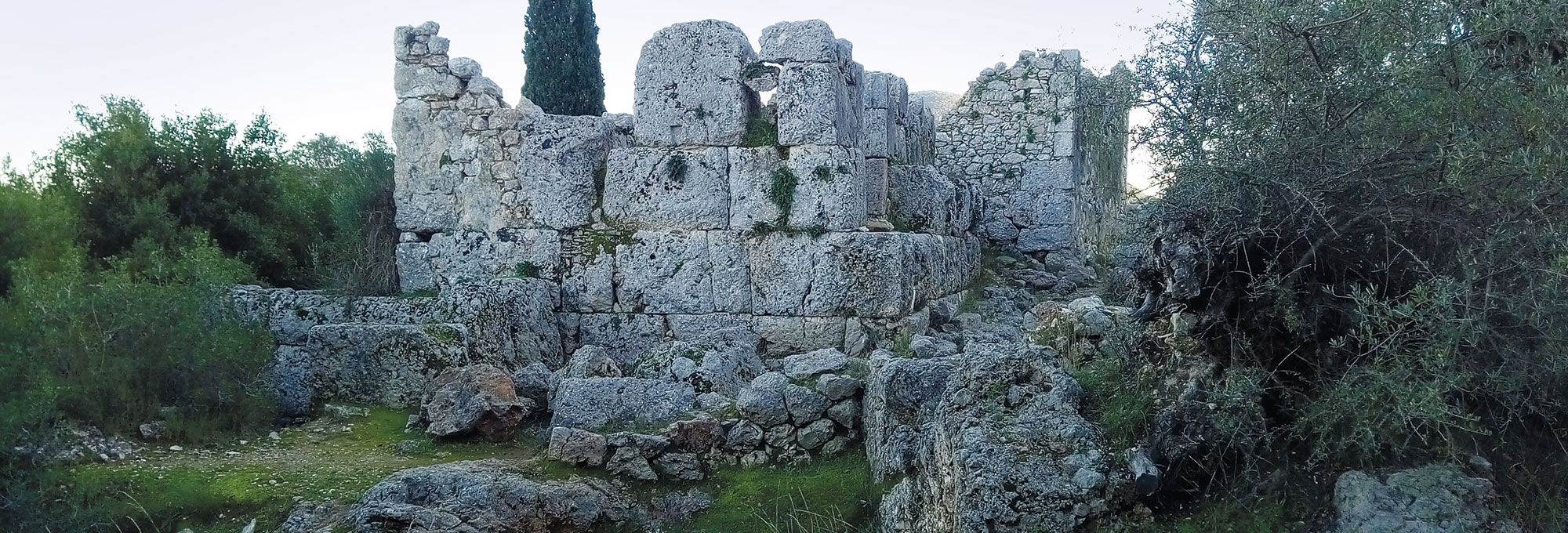
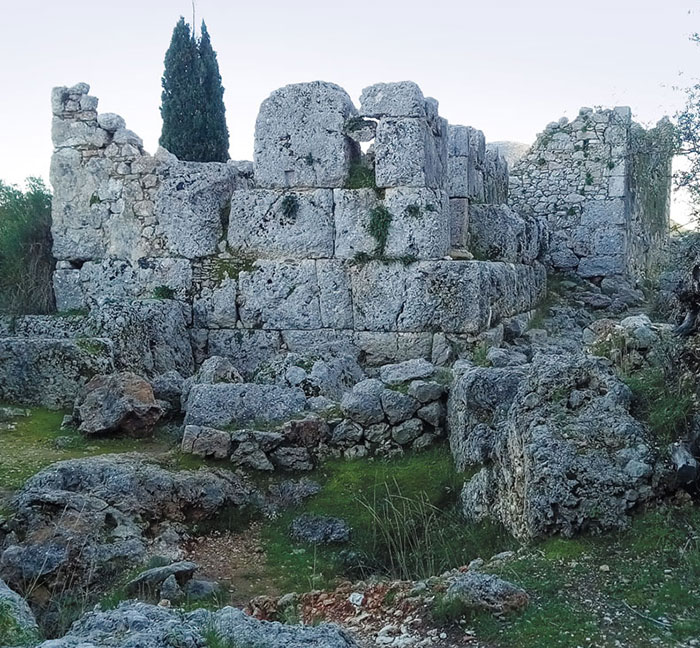
Another ancient site suspected to have been connected to veneration of Odysseus is located on the slopes of northwest Ithaca. The monumental complex, dubbed the School of Homer by locals, occupies two terraces connected by staircases hewn from natural rock. A large rectangular building and a tower at the site date to the late fourth to first centuries b.c., when worship of Odysseus on Ithaca seems to have reached its peak.
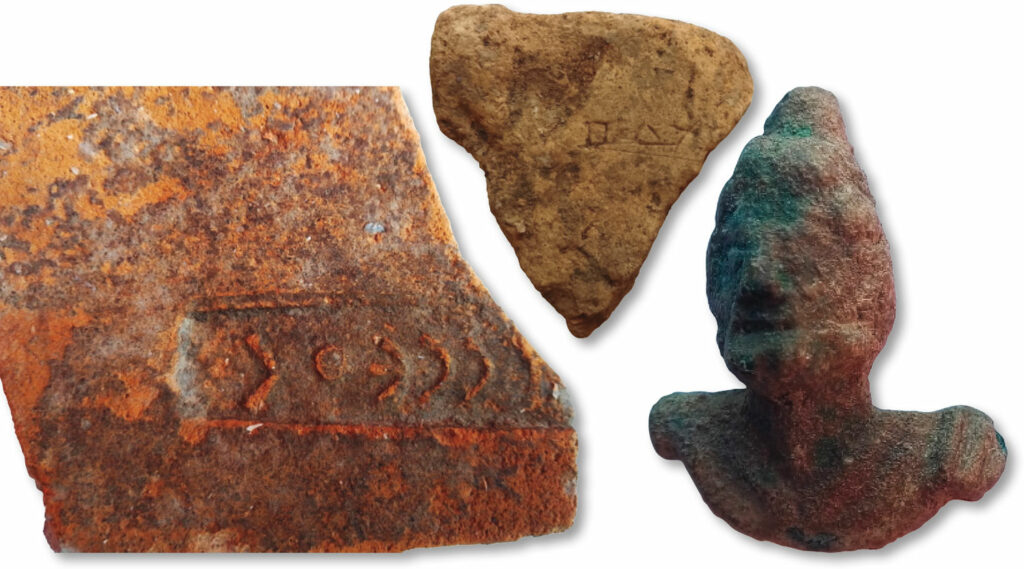
Since 2018, Lolos and archaeologist Christina Marabea of the Hellenic Open University have reexamined scores of artifacts unearthed at the School of Homer during previous excavations. They have identified an incised dedication reading “to Odysseus” and two stamps reading “of Odysseus” on late Hellenistic roof tiles. Lolos says that these tiles and other finds, including a small Roman-period bronze bust of Odysseus discovered during excavations in 1904, provide conclusive evidence that the School of Homer served as a shrine to the hero, known from antiquity as the Odysseion, until it fell out of use in the second century a.d. “Both locals and foreigners frequented the Odysseion more than a millennium after the legendary king’s conjectured return from Troy to his native island,” Marabea says. “The focus of this cult in northwest Ithaca may reflect local beliefs about the precise location of his royal seat.”