Kyrenia

History's 10 Greatest Wrecks... March 1, 2013

Cyprus
(Jonathan Blair/National Geographic Stock)
SHARE:

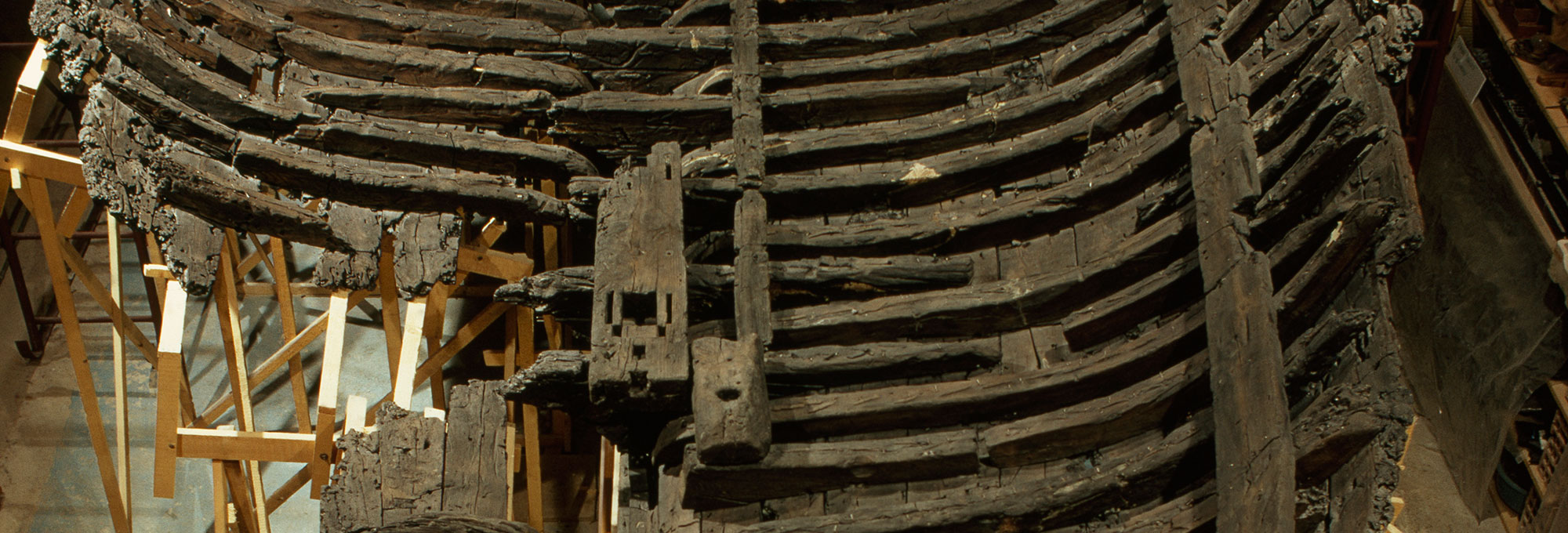
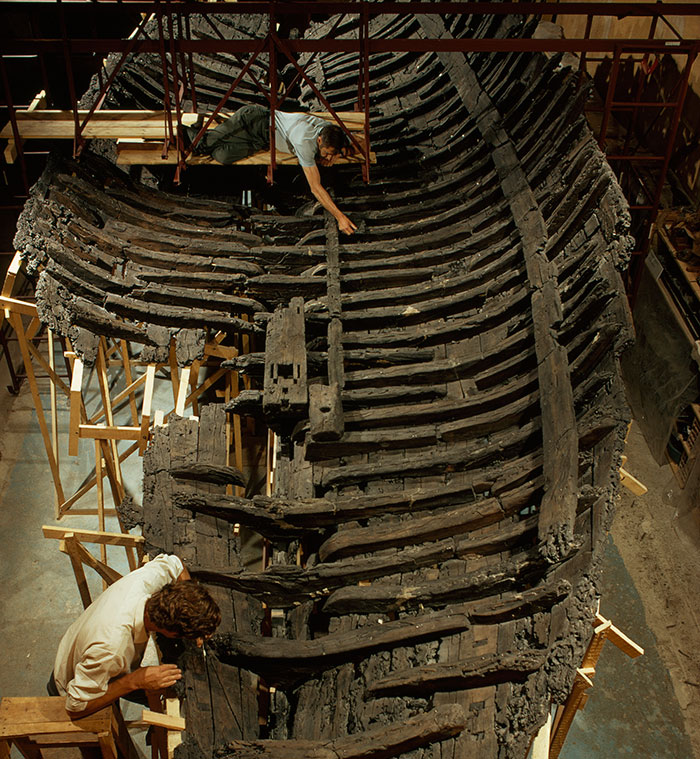
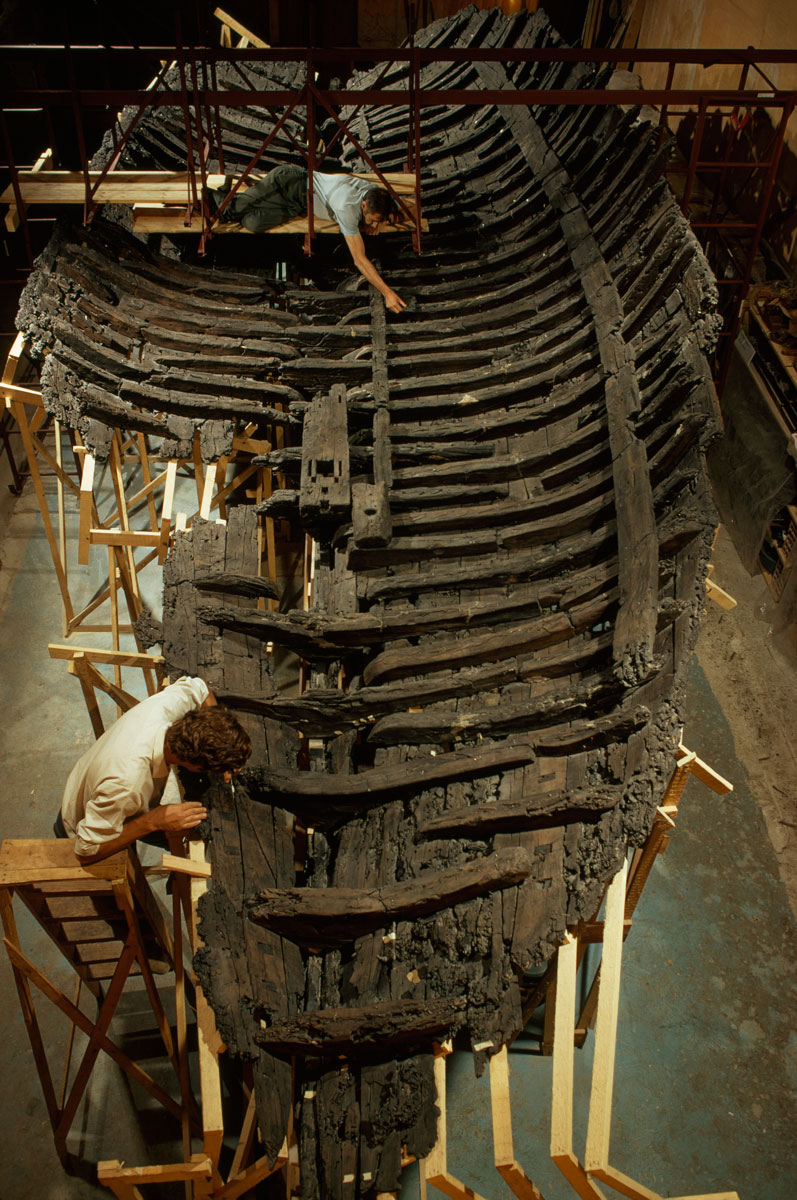
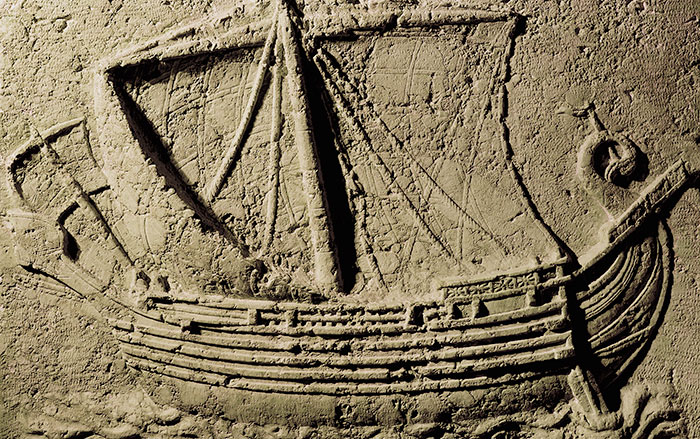
The excavation and recovery of the well-preserved remains of this late-fourth-century B.C. Greek merchant vessel off the coast of Cyprus has yielded substantial information on the construction of classical Greek boats, often seen depicted in paintings on ancient ceramics. The archaeology, led by the late Michael Katzev and now being completed by Susan Katzev, showed that sometime around 306 B.C., the ship, with a four-person crew from Rhodes, was overcome and sank in what seems to have been a pirate attack that left eight iron spear points embedded in the hull. This nearly two-thousand-year-old victim is the earliest physical evidence of piracy. After conservation and reassembly, the hull of the Kyrenia ship is now on display in the Kyrenia Crusader Castle on Cyprus. Also, a sailing replica of the ship, launched in 1985 and christened Kyrenia II, was a successful application of experimental archaeology. It has allowed archaeologists to learn much more about the form and handling abilities of these now-vanished ships.
MORE FROM History's 10 Greatest Wrecks...

  • History's 10 Greatest Wrecks... March 1, 2013

    Bajo de la Campana

    Spain

    Read Article
    (Erich Lessing/Art Resource, NY)
  • History's 10 Greatest Wrecks... March 1, 2013

    Khubilai Khan Fleet

    Japan

    Read Article
    (Private Collection/Ancient Art and Architecture Collection Ltd.)
  • Features January/February 2026

    The Cost of Doing Business

    Piecing together the Roman empire’s longest known inscription—a peculiarly precise inventory of prices

    Read Article
    A digital reconstruction shows how the Civil Basilica in the city of Aphrodisias in southwestern Anatolia would have appeared with the Edict of Maximum Prices inscribed on its facade.
    Ece Savaş and Philip Stinson
  • Features January/February 2026

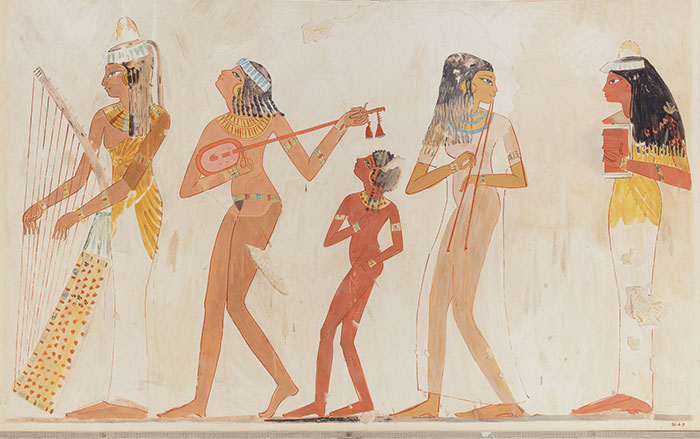
    The Birds of Amarna

    An Egyptian princess seeks sanctuary in her private palace

    Read Article
    The Metropolitan Museum of Art, New York/ Rogers Fund, 1930
  • Features January/February 2026

    Taking the Measure of Mesoamerica

    Archaeologists decode the sacred mathematics embedded in an ancient city’s architecture

    Read Article
    Courtesy Claudia I. Alvarado-León
  • Features January/February 2026

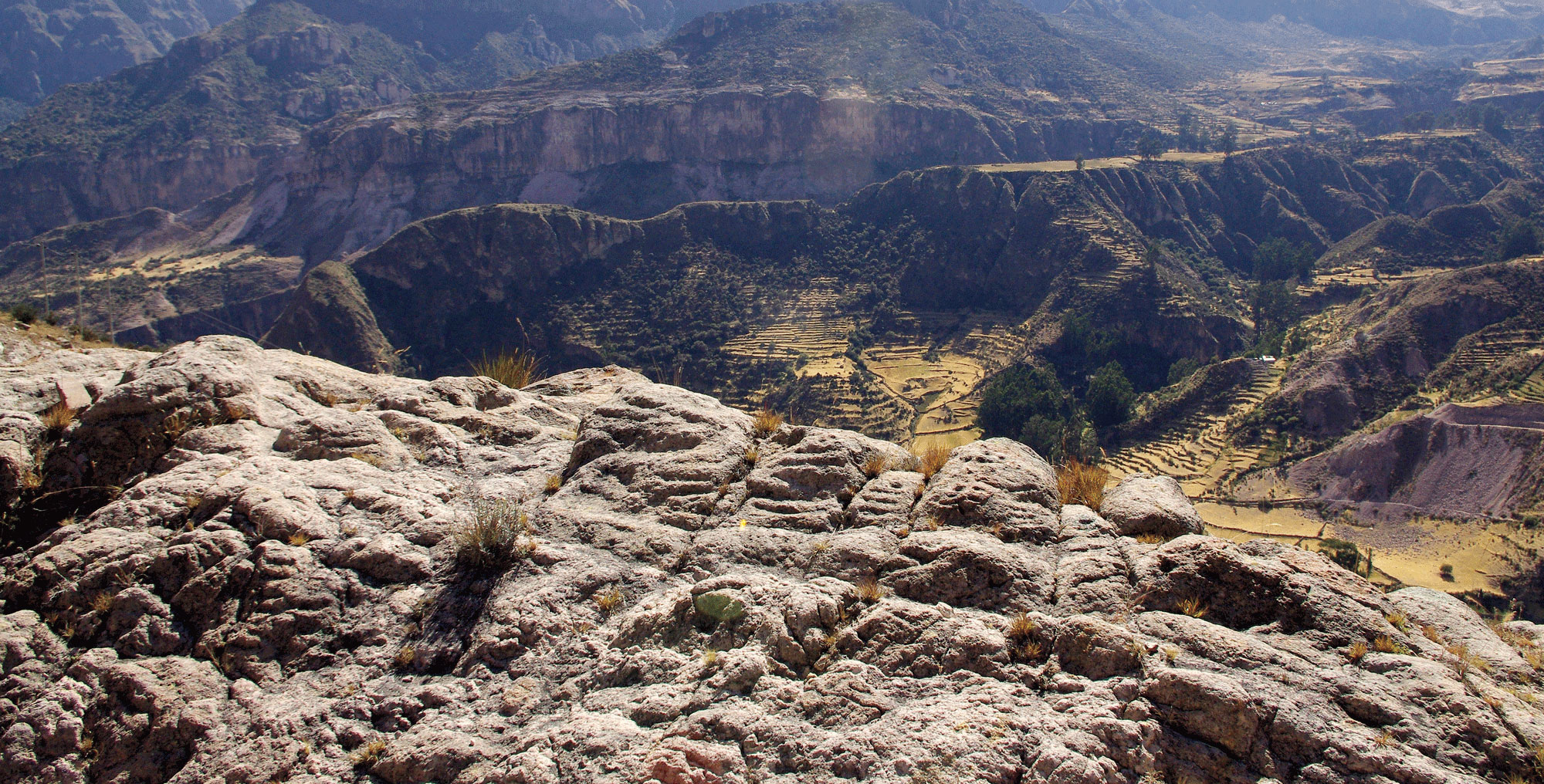
    Stone Gods and Monsters

    3,000 years ago, an intoxicating new religion beckoned pilgrims to temples high in the Andes

    Read Article
    The ritual center of Chavín de Huántar flourished in northern Peru.
    Courtesy John Rick