DNA of the Black Death

Digs & Discoveries November 1, 2011

Scientists are still exploring the mysteries of one of the deadliest pandemics the world has ever known: the Black Death, the medieval disease outbreak that killed millions in Europe between 1347 and 1351.
SHARE:

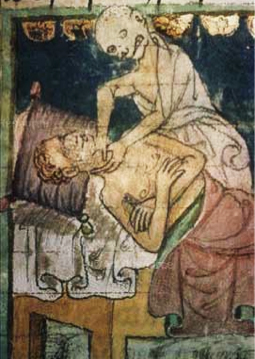
Scientists are still exploring the mysteries of one of the deadliest pandemics the world has ever known: the Black Death, the medieval disease outbreak that killed millions in Europe between 1347 and 1351. At the time, it was attributed to bad air—some kind of generalized pestilential miasma. Today, blame is believed to reside with Yersinia pestis, the bacteria that causes plague, though the historical pandemic was clearly more virulent— and faster-spreading—than any modern version of the disease.

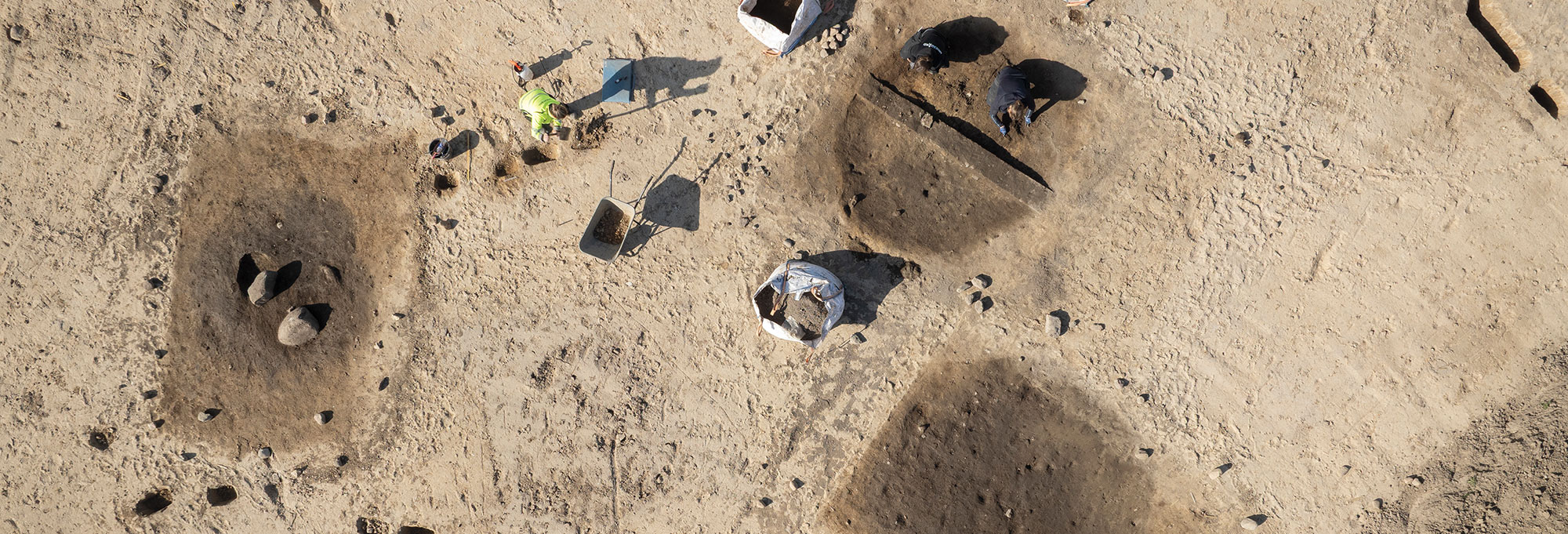
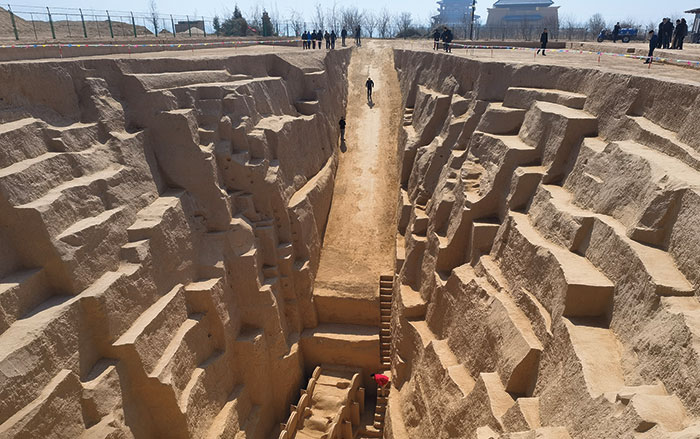
Several recent DNA studies have confirmed the presence of Y. pestis in medieval graves across Europe. The most recent work in the field is examining its genome to sort out what exactly made the older version of the plague different. The study, published in Proceedings of the National Academy of Sciences, examined the remains of 100 plague victims buried near London. It reveals that the Black Death was caused by a previously unknown variant of Y. pestis that no longer exists. But the multinational team has not yet found the specific genetic reason for the difference in plague virulence between then and now. "The search goes on," says study coauthor Jim Wood of Pennsylvania State University.
  • Features January/February 2026

    The Cost of Doing Business

    Piecing together the Roman empire’s longest known inscription—a peculiarly precise inventory of prices

    Read Article
    A digital reconstruction shows how the Civil Basilica in the city of Aphrodisias in southwestern Anatolia would have appeared with the Edict of Maximum Prices inscribed on its facade.
    Ece Savaş and Philip Stinson
  • Features January/February 2026

    The Birds of Amarna

    An Egyptian princess seeks sanctuary in her private palace

    Read Article
    The Metropolitan Museum of Art, New York/ Rogers Fund, 1930
  • Features January/February 2026

    Taking the Measure of Mesoamerica

    Archaeologists decode the sacred mathematics embedded in an ancient city’s architecture

    Read Article
    Courtesy Claudia I. Alvarado-León
  • Features January/February 2026

    Stone Gods and Monsters

    3,000 years ago, an intoxicating new religion beckoned pilgrims to temples high in the Andes

    Read Article
    The ritual center of Chavín de Huántar flourished in northern Peru.
    Courtesy John Rick