Ireland's Viking Fortress

Digs & Discoveries January 1, 2011

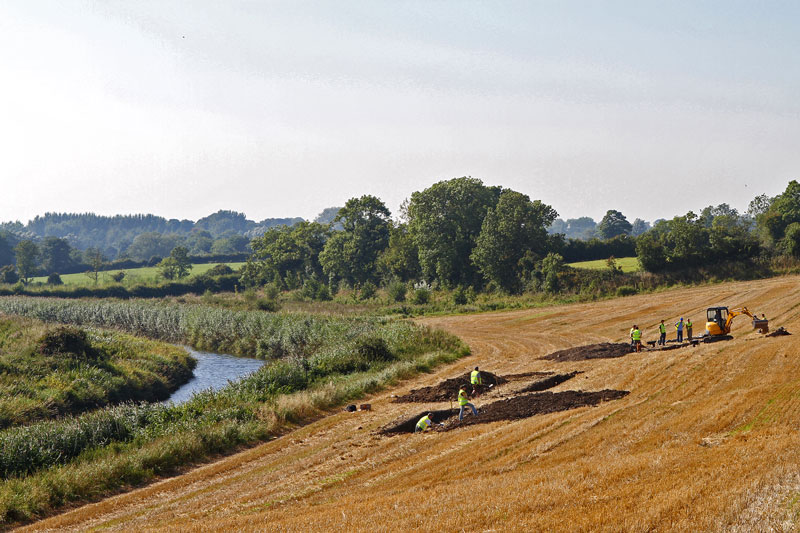
The remains of the legendary Viking fortress Linn Duachaill have been discovered in northeastern Ireland, 45 miles north of Dublin. "Historians and archaeologists have been trying to locate Linn Duachaill for more than 200 years," says Eamonn Kelly, Keeper of Antiquities with the National Museum of Ireland, who led a lengthy research and targeted excavation effort that resulted in the discovery of the infamous Viking base.
SHARE:

The remains of the legendary Viking fortress Linn Duachaill have been discovered in northeastern Ireland, 45 miles north of Dublin. "Historians and archaeologists have been trying to locate Linn Duachaill for more than 200 years," says Eamonn Kelly, Keeper of Antiquities with the National Museum of Ireland, who led a lengthy research and targeted excavation effort that resulted in the discovery of the infamous Viking base.

Linn Duachaill was founded in A.D. 841, the same year as Viking Dublin. The fortress was used as a center by the Vikings to trade goods, organize attacks against inland Irish monasteries, and send captured Irish slaves abroad. For more than 70 years, Linn Duachaill rivaled Dublin as the preeminent Viking holding on the east coast of Ireland before it was eventually abandoned.

The discovery of Linn Duachaill will finally allow archeologists to compare the actual site with medieval documents. The names of leaders of the garrison are recorded, along with extensive accounts of attacks they carried out. The site is often referred to as a longphort, a term used to describe a fortification built by the Vikings to protect their ships.

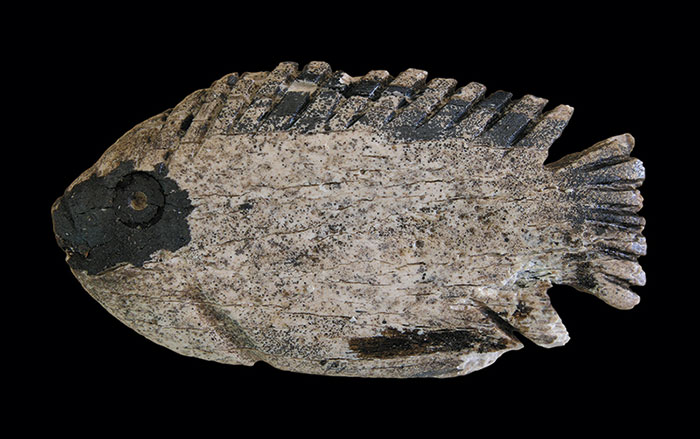
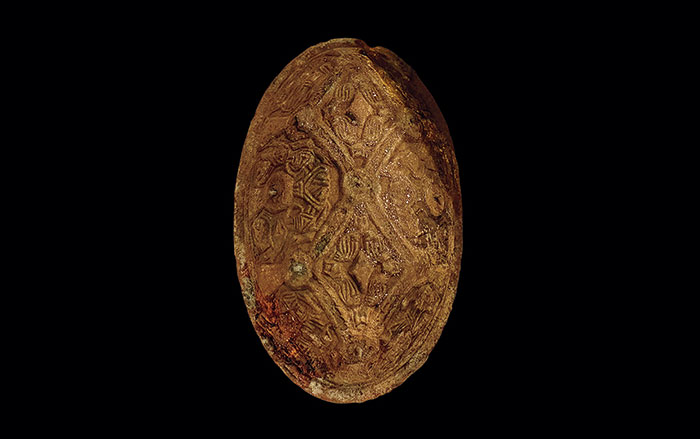
A defensive rampart has already been excavated at the site and examples of Viking silver and ecclesiastical metalwork looted from native Irish sites have also been recovered. "We are excited to learn what insights into medieval times Linn Duachaill will reveal," says Kelly.
  • Features January/February 2026

    The Cost of Doing Business

    Piecing together the Roman empire’s longest known inscription—a peculiarly precise inventory of prices

    Read Article
    A digital reconstruction shows how the Civil Basilica in the city of Aphrodisias in southwestern Anatolia would have appeared with the Edict of Maximum Prices inscribed on its facade.
    Ece Savaş and Philip Stinson
  • Features January/February 2026

    The Birds of Amarna

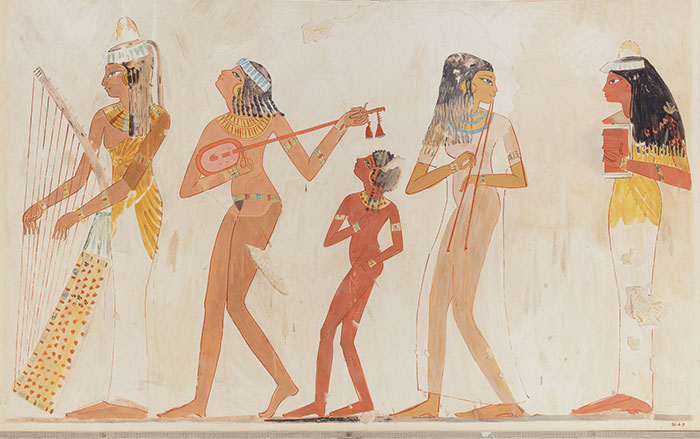
    An Egyptian princess seeks sanctuary in her private palace

    Read Article
    The Metropolitan Museum of Art, New York/ Rogers Fund, 1930
  • Features January/February 2026

    Taking the Measure of Mesoamerica

    Archaeologists decode the sacred mathematics embedded in an ancient city’s architecture

    Read Article
    Courtesy Claudia I. Alvarado-León
  • Features January/February 2026

    Stone Gods and Monsters

    3,000 years ago, an intoxicating new religion beckoned pilgrims to temples high in the Andes

    Read Article
    The ritual center of Chavín de Huántar flourished in northern Peru.
    Courtesy John Rick