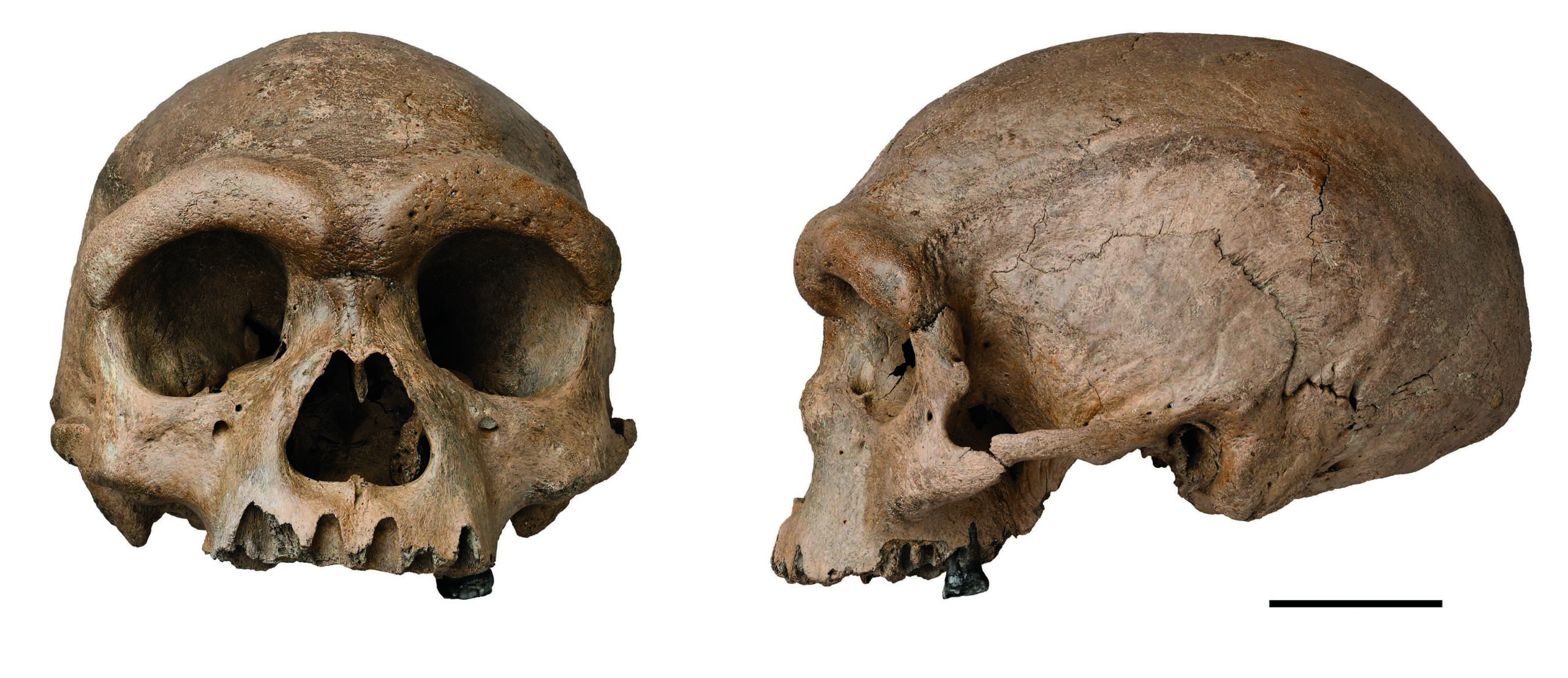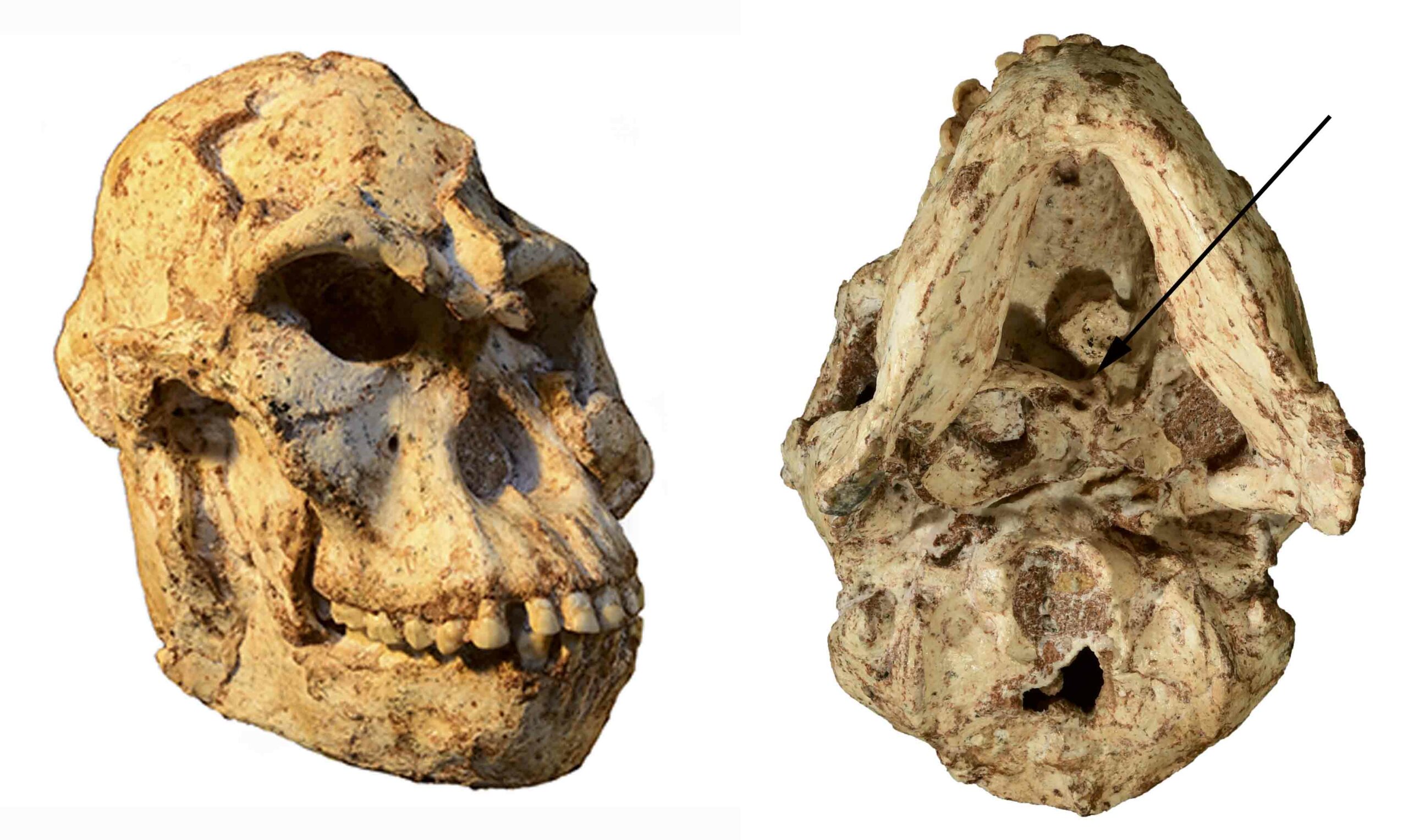



In 1959, paleoanthropologist Mary Leakey found the cranium of an extinct hominin in Tanzania’s Olduvai Gorge. The discovery caused a sensation, with the newspapers of the day dubbing the find Nutcracker Man. The skull’s molars and jaws were massive, and scholars hotly debated how it fit into the story of human evolution. The cranium was eventually classified as belonging to a previously unknown hominin, Paranthropus boisei. For six decades after Leakey’s discovery, however, only a handful of nearly complete craniums, several jaw pieces, and a few limb fragments could be unambiguously identified with the species.
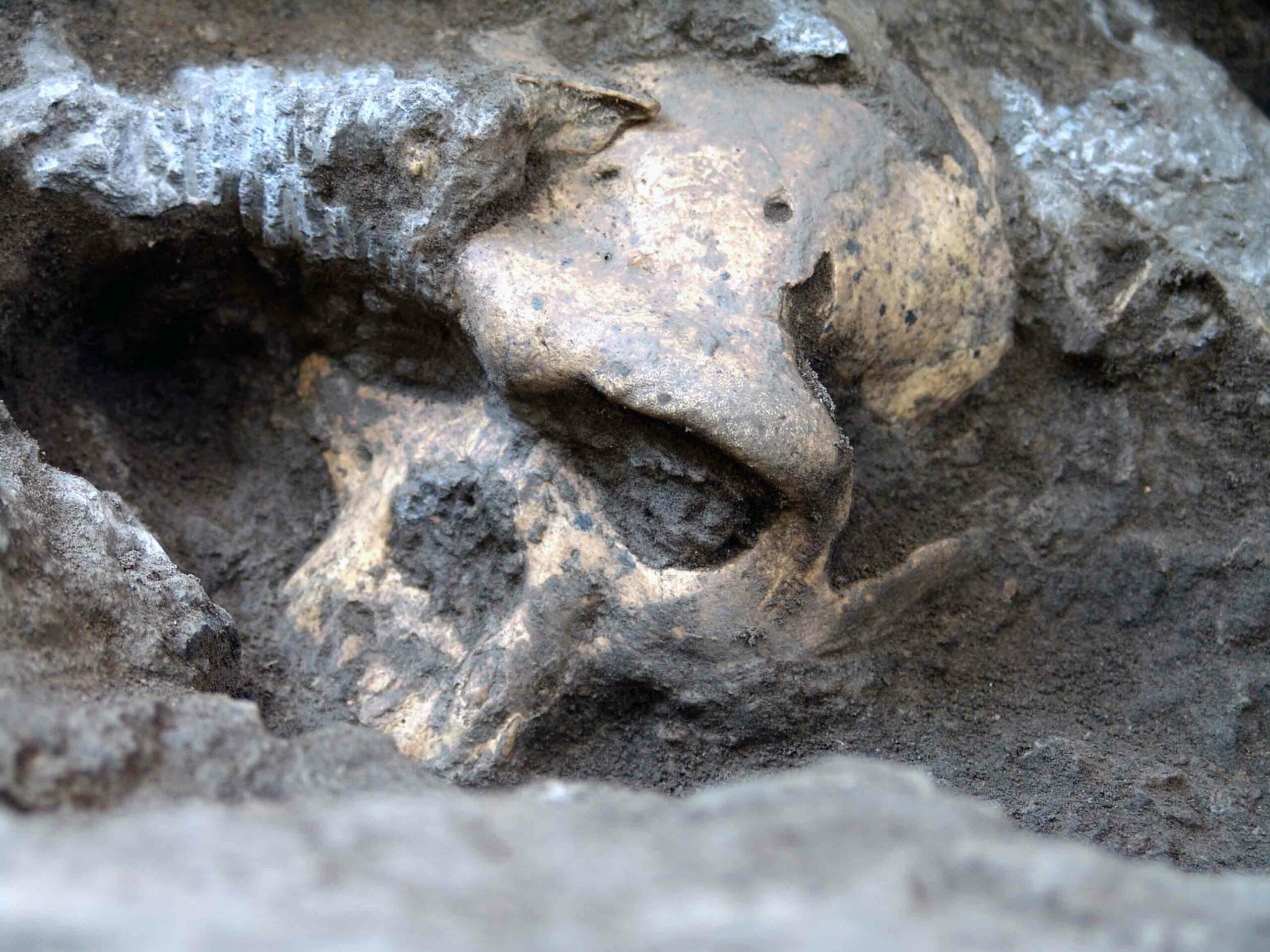
Then, during excavations in 2019 and 2021, a team from the Turkana Basin Institute recovered hominin bones from the Koobi Fora site near Kenya’s Lake Turkana. Researchers determined that more than 40 of these fossilized bones and teeth, some fragmentary, belonged to a single P. boisei individual who lived 1.52 million years ago. The remains included 17 skull and tooth fragments, three mostly intact foot bones, and 21 hand and wrist bones. Having a wealth of both hand and foot bones together with a partial cranium from the same P. boisei specimen is providing the fullest picture yet of the species. “There have been a lot of open questions: Were they moving around in the trees? Were they capable of making stone tools?” says paleoanthropologist Carrie Mongle of Stony Brook University. “These are among the first really nice pieces of skeleton that can answer some of those questions.”