Cave of the Swimmers - Egypt

Features January 1, 2011

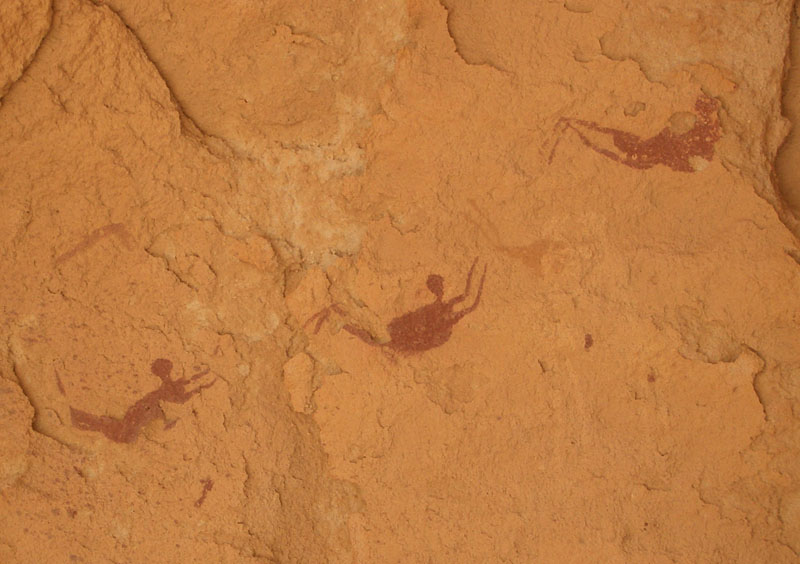
The Neolithic rock art at the Cave of the Swimmers, made popular by the 1996 film The English Patient, is being admired to death by tourists who feel compelled to touch the 10,000-year-old paintings.
SHARE:

The Neolithic rock art at the Cave of the Swimmers, made popular by the 1996 film The English Patient, is being admired to death by tourists who feel compelled to touch the 10,000-year-old paintings. Visitors are also coming in such numbers that their breath and perspiration have altered the cave's climate, causing severe deterioration of the artwork. The site is one of many in Egypt's remote deserts that are being compromised by unsupervised visits. The Supreme Council of Antiquities and the Ministry of the Environment have begun outreach programs to the desert drivers who ferry visitors to the sites. Officials hope the drivers can encourage tourists to behave appropriately around fragile archaeological remains.
More Sites Under Threat 2010

  • Features January/February 2026

    The Cost of Doing Business

    Piecing together the Roman empire’s longest known inscription—a peculiarly precise inventory of prices

    Read Article
    A digital reconstruction shows how the Civil Basilica in the city of Aphrodisias in southwestern Anatolia would have appeared with the Edict of Maximum Prices inscribed on its facade.
    Ece Savaş and Philip Stinson
  • Features January/February 2026

    The Birds of Amarna

    An Egyptian princess seeks sanctuary in her private palace

    Read Article
    The Metropolitan Museum of Art, New York/ Rogers Fund, 1930
  • Features January/February 2026

    Taking the Measure of Mesoamerica

    Archaeologists decode the sacred mathematics embedded in an ancient city’s architecture

    Read Article
    Courtesy Claudia I. Alvarado-León
  • Features January/February 2026

    Stone Gods and Monsters

    3,000 years ago, an intoxicating new religion beckoned pilgrims to temples high in the Andes

    Read Article
    The ritual center of Chavín de Huántar flourished in northern Peru.
    Courtesy John Rick