
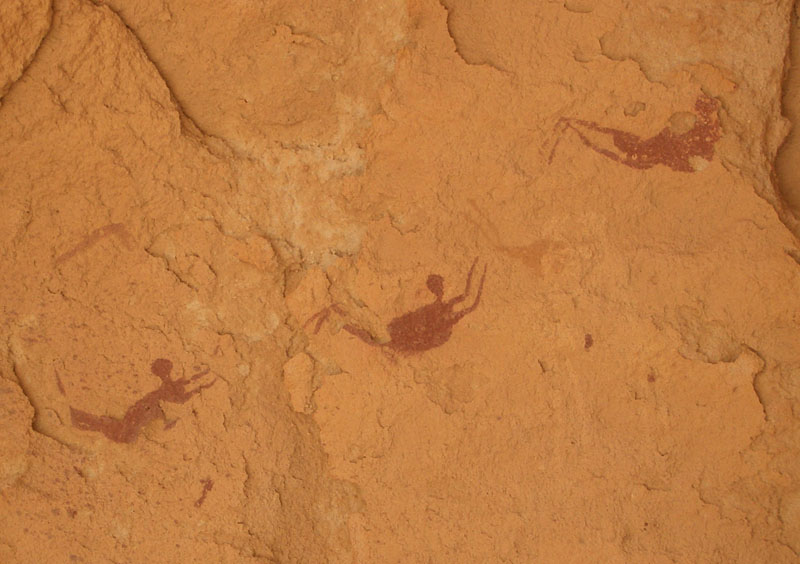
Cave of the Swimmers - Egypt

Features January 1, 2011

The Neolithic rock art at the Cave of the Swimmers, made popular by the 1996 film The English Patient, is being admired to death by tourists who feel compelled to touch the 10,000-year-old paintings.
SHARE:

The Neolithic rock art at the Cave of the Swimmers, made popular by the 1996 film The English Patient, is being admired to death by tourists who feel compelled to touch the 10,000-year-old paintings. Visitors are also coming in such numbers that their breath and perspiration have altered the cave's climate, causing severe deterioration of the artwork. The site is one of many in Egypt's remote deserts that are being compromised by unsupervised visits. The Supreme Council of Antiquities and the Ministry of the Environment have begun outreach programs to the desert drivers who ferry visitors to the sites. Officials hope the drivers can encourage tourists to behave appropriately around fragile archaeological remains.
More Sites Under Threat 2010

  • Features November/December 2026

    A Tomb of One's Own

    Life behind the scenes in Egypt’s Valley of the Kings

    Read Article
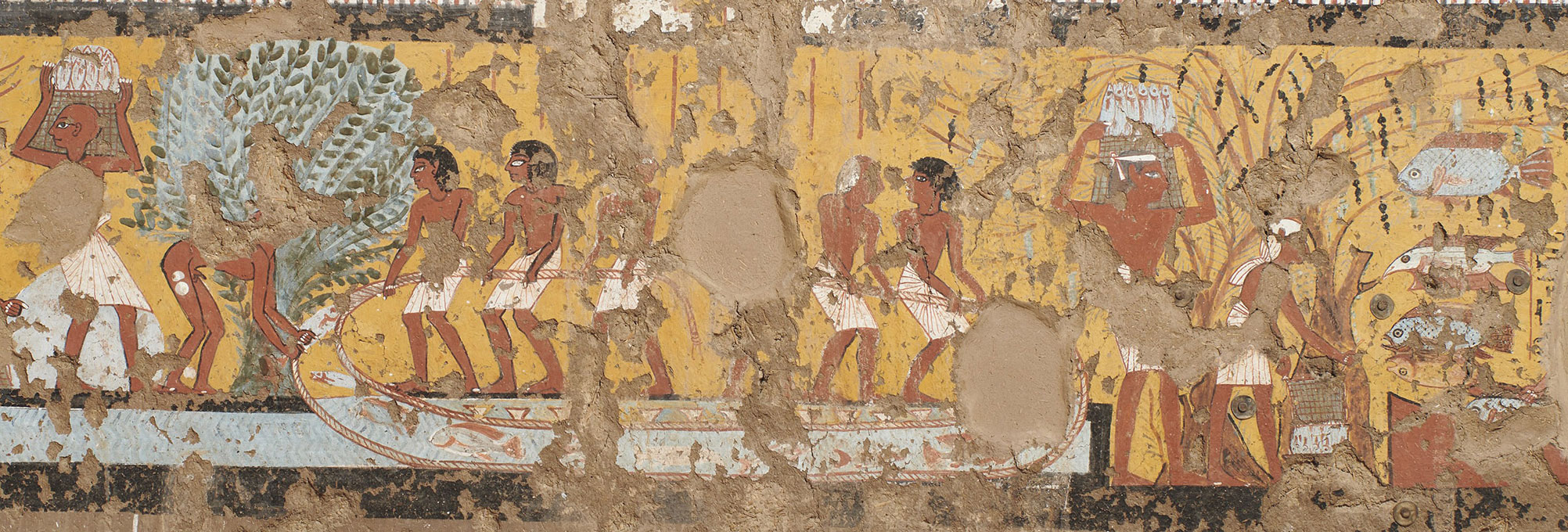
    Painted scene from Ipuy's chapel depicting men catching fish from a boat
    © Matjaz Kacicnik/Project TT 217–The Tomb of the Sculptor Ipuy in Context (JGU Mainz, IFAO Cairo)
  • Features November/December 2026

    Outfitting Viking Voyagers

    In Denmark, archaeologists have discovered a massive factory that equipped an innovative fleet

    Read Article
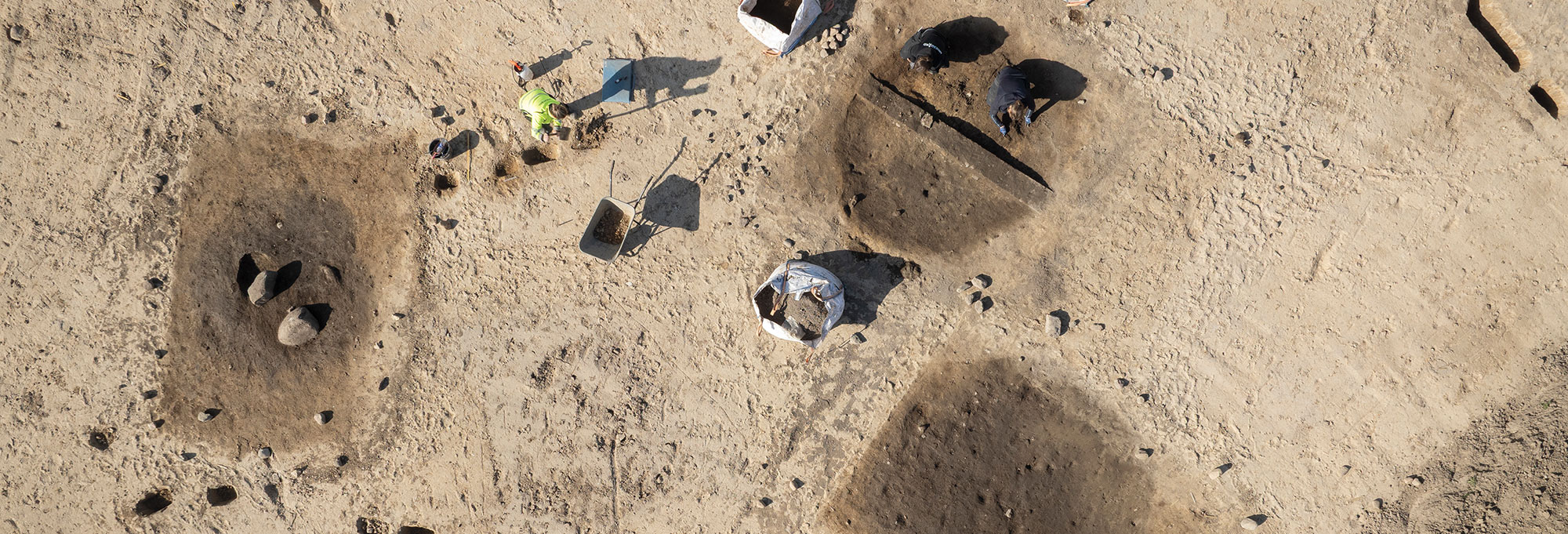
    Aerial view of excavation of three pit house foundations, Soften, Denmark
    Moesgaard Museum
  • Features November/December 2026

    Stone Age Stargazers

    Did artists 12,000 years ago illuminate a cave in Tajikistan with their vision of the Milky Way?

    Read Article
    ˝© Nodir Tursun-Zade
  • Features November/December 2026

    Unearthing the Outlanders

    New discoveries challenge ancient prophecies about the peoples living on China’s borders three millennia ago

    Read Article
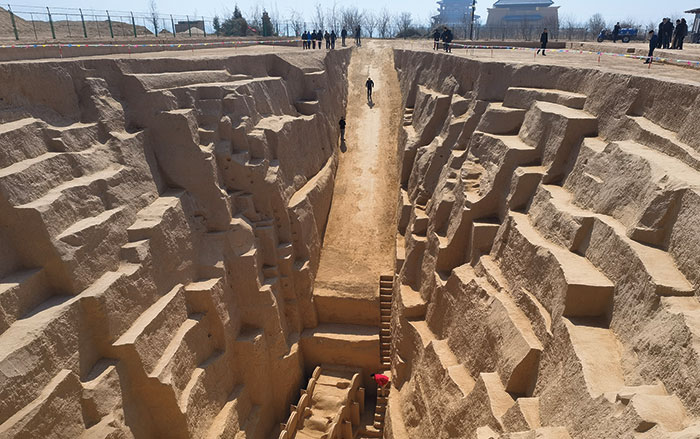
    Courtesy Shaanxi Provincial Institute of Archaeology