
Hunter-Gatherer Landscape - California

Features January 1, 2011

Construction of vast solar farms in the deserts of southeastern California is threatening to permanently erase prehistoric Native American sites.
SHARE:
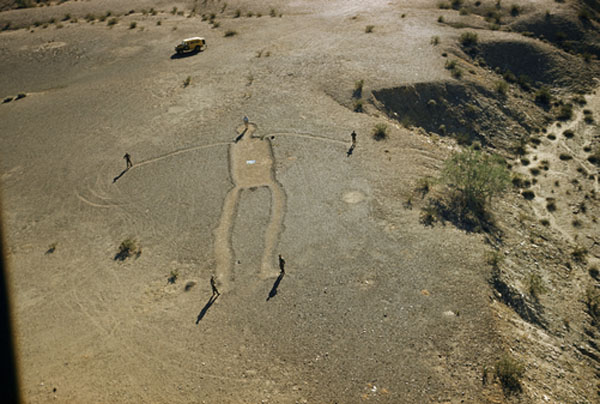
Men study giant figure scratched into surface of desert mesa. (Richard Hewitt Stewart/National Geographic Society)

Construction of vast solar farms in the deserts of southeastern California is threatening to permanently erase prehistoric Native American sites. Critics charge that while the need for new sources of renewable energy is a clear national priority, the rush to build solar infrastructure in order to qualify for tax breaks has led to inadequate archaeological testing and evaluation of sites in the way of planned solar arrays. The region's famous Blythe Geoglyphs, still a destination for Native American pilgrims, will not be directly affected by the development, but the rich archaeological landscape of which they are a part will be altered forever.
More Sites Under Threat 2010

  • Features November/December 2026

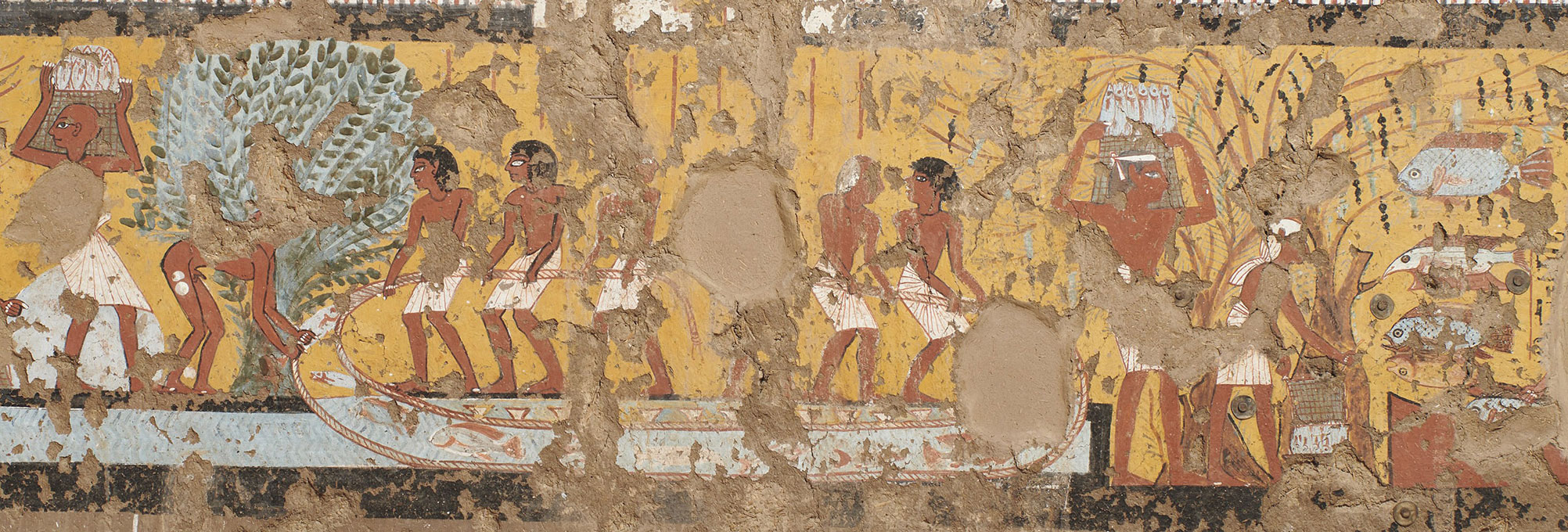
    A Tomb of One's Own

    Life behind the scenes in Egypt’s Valley of the Kings

    Read Article
    Painted scene from Ipuy's chapel depicting men catching fish from a boat
    © Matjaz Kacicnik/Project TT 217–The Tomb of the Sculptor Ipuy in Context (JGU Mainz, IFAO Cairo)
  • Features November/December 2026

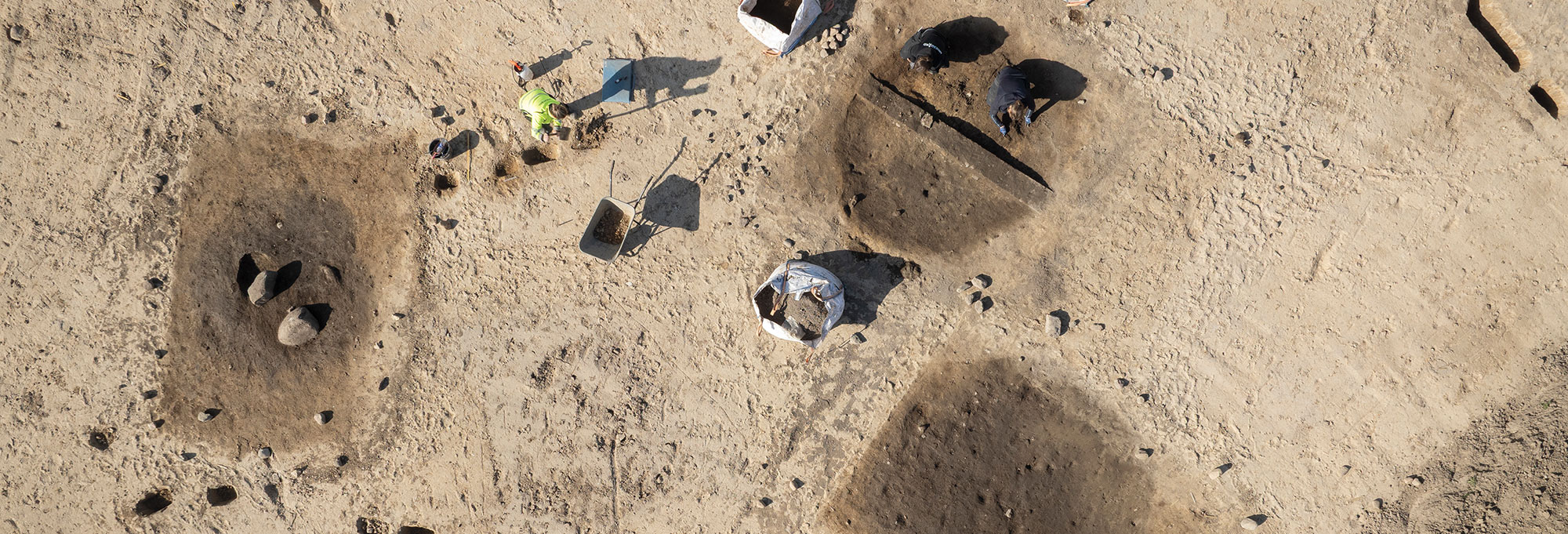
    Outfitting Viking Voyagers

    In Denmark, archaeologists have discovered a massive factory that equipped an innovative fleet

    Read Article
    Aerial view of excavation of three pit house foundations, Soften, Denmark
    Moesgaard Museum
  • Features November/December 2026

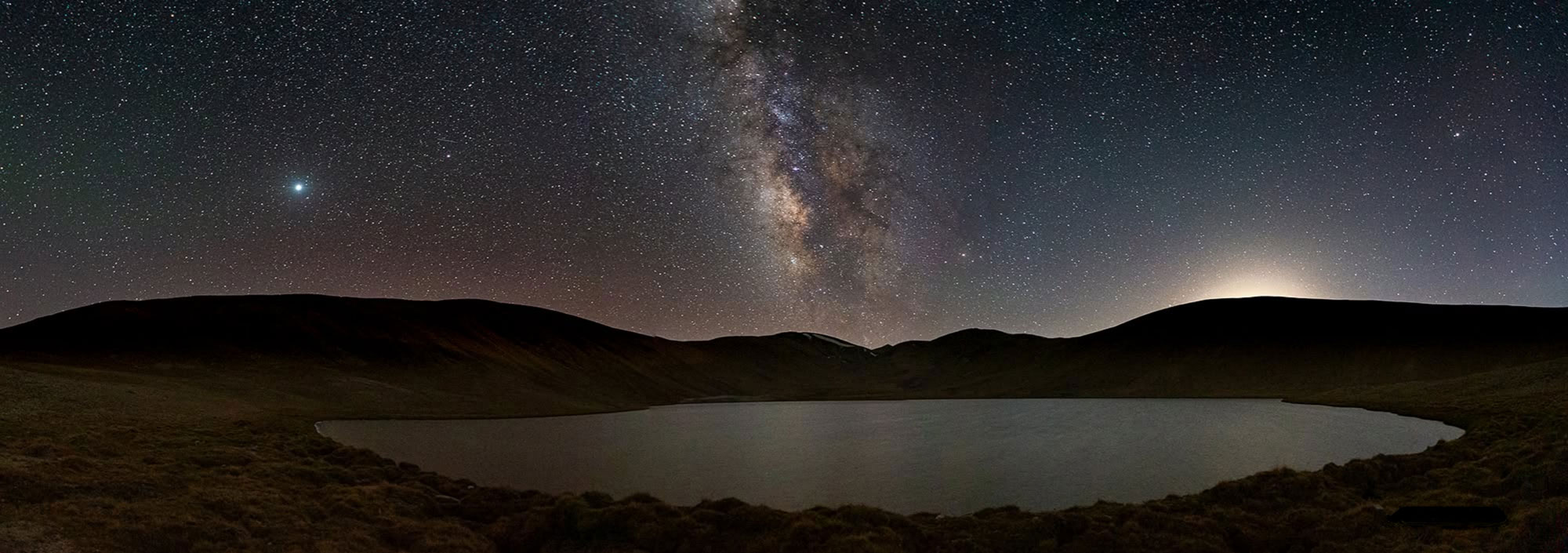
    Stone Age Stargazers

    Did artists 12,000 years ago illuminate a cave in Tajikistan with their vision of the Milky Way?

    Read Article
    ˝© Nodir Tursun-Zade
  • Features November/December 2026

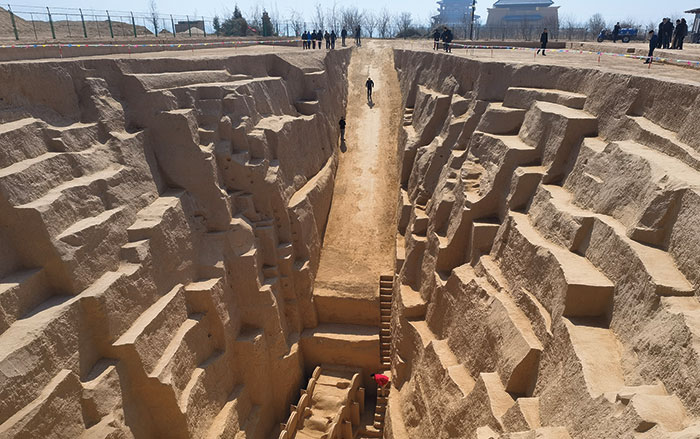
    Unearthing the Outlanders

    New discoveries challenge ancient prophecies about the peoples living on China’s borders three millennia ago

    Read Article
    Courtesy Shaanxi Provincial Institute of Archaeology