Gearing Up at the Desert Training Center

Features May 1, 2011

he Mojave Desert was once the largest training ground in the history of warfare. In 1942 and 1943, a million soldiers passed through the Desert Training Center (DTC), or California/Arizona Maneuver Area, 28,000 square miles where an inexperienced American military learned to operate in a harsh environment...
SHARE:

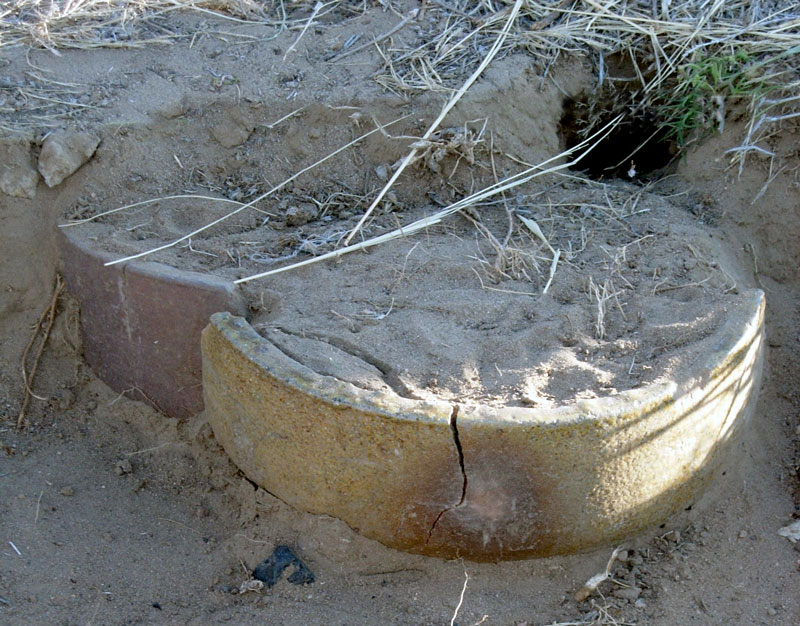
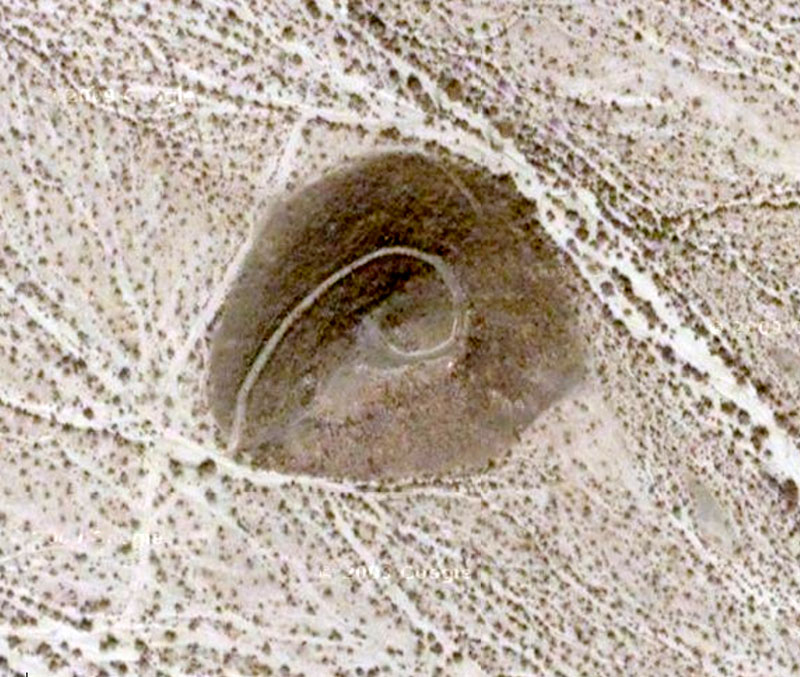
The Mojave Desert was once the largest training ground in the history of warfare. In 1942 and 1943, a million soldiers passed through the Desert Training Center (DTC), or California/Arizona Maneuver Area, 28,000 square miles where an inexperienced American military learned to operate in a harsh environment, and General Patton and other leaders refined strategies for taking on Field Marshal Rommel and his Panzers in North Africa. "We learned for the first time how to coordinate on a large scale and use armored units in broad maneuvers," says Matt Bischoff, a historian with California State Parks. Now that solar power companies are moving in, the desert is home to dozens of archaeological surveys, covering some 120,000 acres, according to Bureau of Land Management archaeologist George Kline. Among the finds are elaborate defensive structures, makeshift three-dimensional terrain maps, the remains of tent camps accommodating 15,000 men, and the hill from which Patton oversaw tank maneuvers (the "King's Throne"). There are loads of data to be parsed, but the work is already showing how the American military developed the tactics and fortitude to challenge the "Desert Fox." "It's a huge undertaking," says Bischoff, who is consulting on the project. "The challenge is putting it all together."
More Archaeology of World War II

  • Features May/June 2026

    Pioneers of Lakefront  Living

    Why Neolithic and Bronze Age farmers in the Alps built their villages on stilts

    Read Article
    Modern replicas of Bronze Age houses in Lake Constance
    © APM/Frank Müller
  • Features May/June 2026

    The Last Maya Kingdom

    On the shores of a lake in Guatemala, the Itzá people defied the Spanish for nearly 200 years

    Read Article
    Flores Island, Guatemala
    Courtesy Timothy Pugh/Itzá Archaeological Project
  • Features May/June 2026

    Art for the Ages

    A surreal style of painting endured for 4,000 years in the canyonlands of West Texas

    Read Article
    Shumla Archaeological Research and Education Center Archive
  • Features May/June 2026

    Bridge to the Past

    The Yellow River brought both prosperity and calamity to China’s dazzling medieval capital By Ling Xin

    Read Article
    Henan Provincial Institute of Cultural Heritage and Archaeology