Designed to contain those who had already fled previous detainment, the German POW camp Stalag Luft III was built in the woods of modern-day Poland as far as possible from non-Axis territory. The huts that housed prisoners were raised above ground to discourage tunneling, and different-colored layers of sand made it difficult to disguise digging. Nonetheless, in March 1944, 76 prisoners escaped, the culmination of a strategy that involved digging three different escape tunnels named "Tom," "Dick," and "Harry."
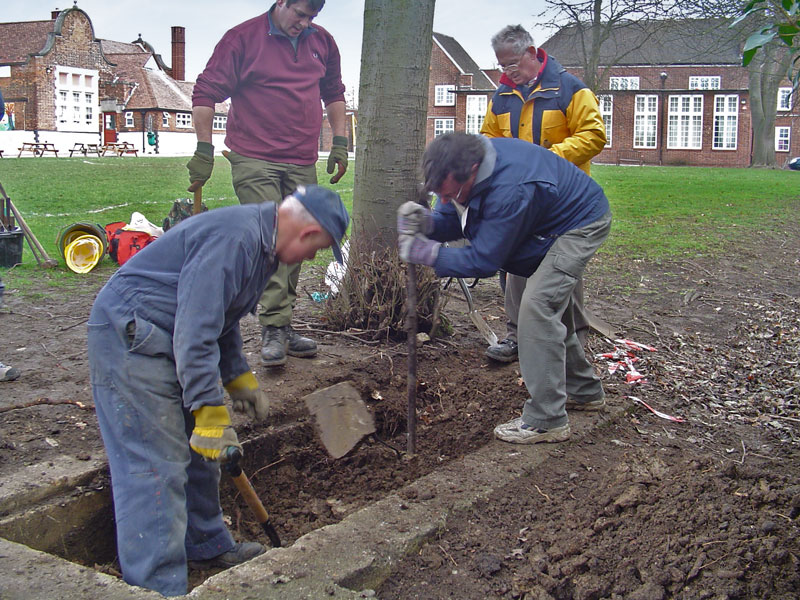
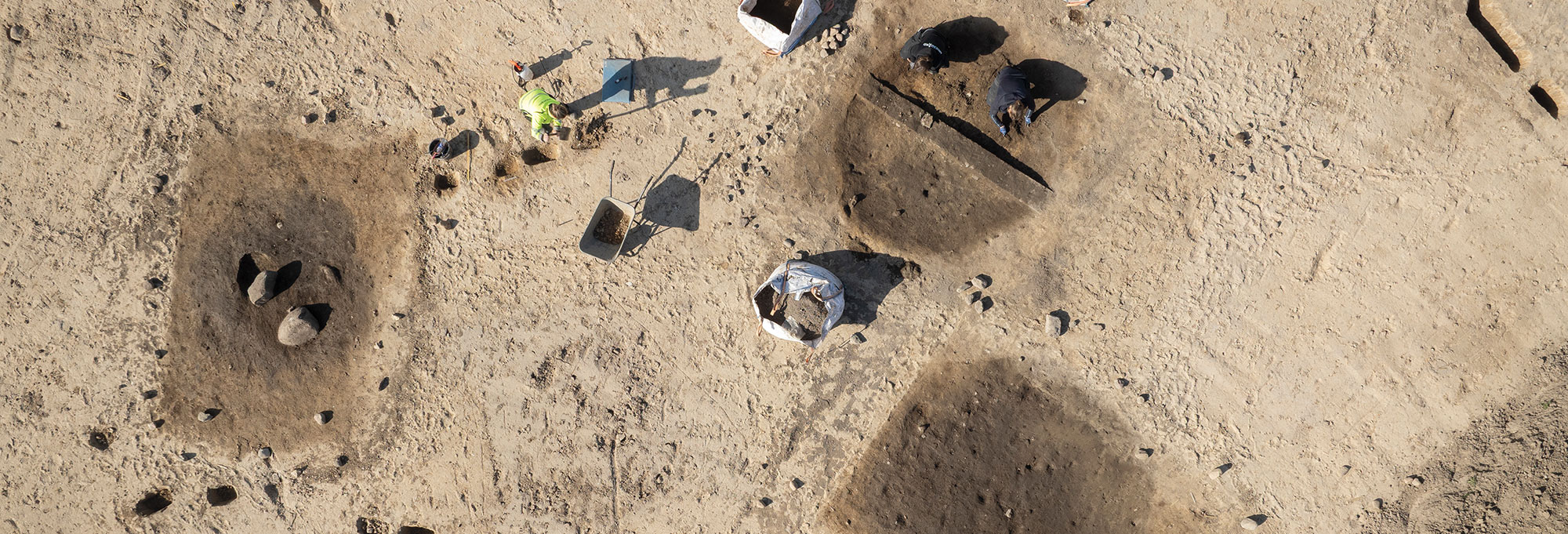
In the years since the breakout, immortalized in the 1963 film, The Great Escape, the majority of the camp site has been looted, with only evidence of the bathroom floors and the stairs into the huts remaining. Still, in 2003, archaeologists set out in search of Dick, which the escapees stopped digging and used instead for material storage when Stalag Luft III was expanded to the west. Three surviving POWs and Allied reconnaissance photos from 1944 helped the team get its bearings at the camp, but ground-penetrating radar was crucial for identifying Dick's entrance.
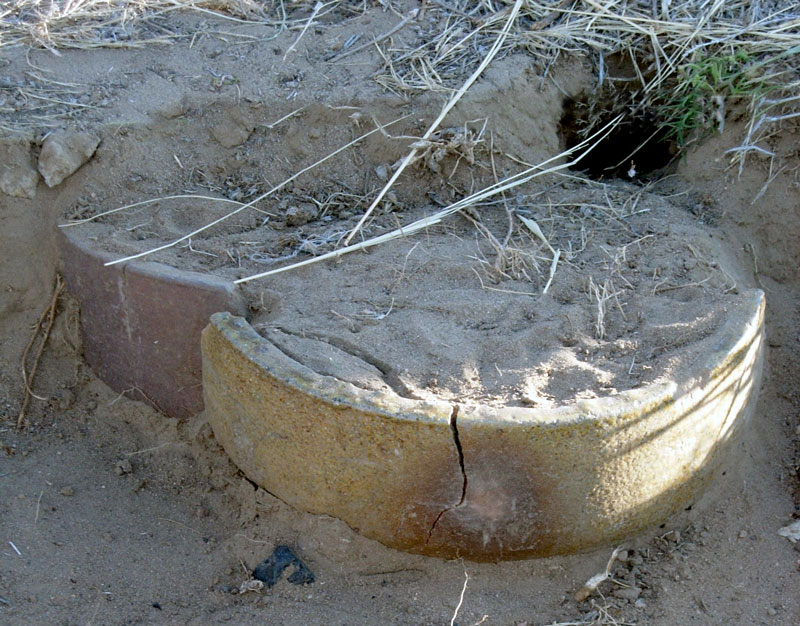
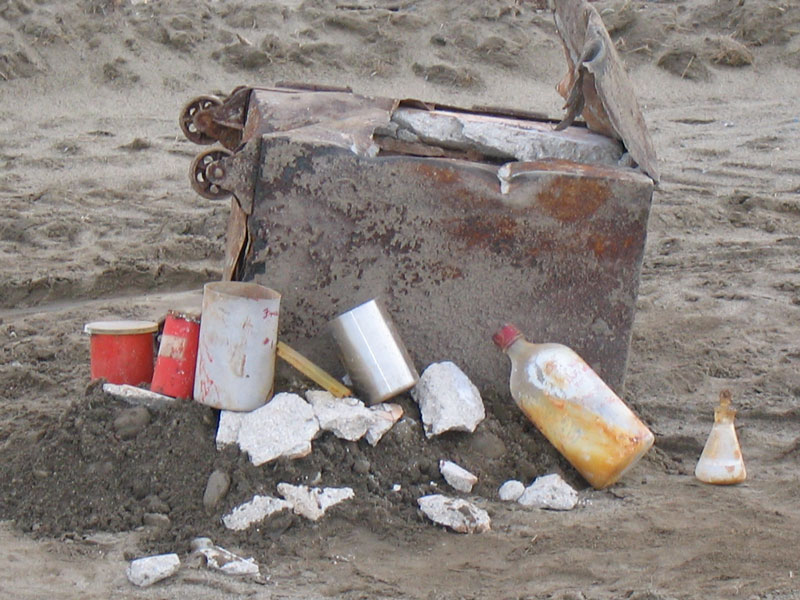
Excavation of the tunnel entrance turned up both remnants of the tunnel's structure (such as bed boards used to prevent cave-ins), as well as notable artifacts like an "escape kit" with civilian clothes, a toothbrush, and a book in German, along with a Royal Air Force (RAF) boot heel repurposed as a stamp bearing the Nazi army's logo, probably used to create false documents. "We also found the milk tins they joined up to make the ventilation system," says Jamie Pringle, an environmental geologist at Keele University in central England. The cans, which lined the tunnel, circulated air driven along by a man at the entrance pumping bellows.
The investigation at the Stalag Luft III site was the first survey of the area since the Germans built the camp in 1944. But, according to Pringle, it won't be the last. The RAF, which built a replica of the hut that sat above the Harry tunnel that facilitated the "Great Escape," is planning to excavate a tunnel called "George." It was dug for a mass escape if German forces sought reprisal after the Great Escape.