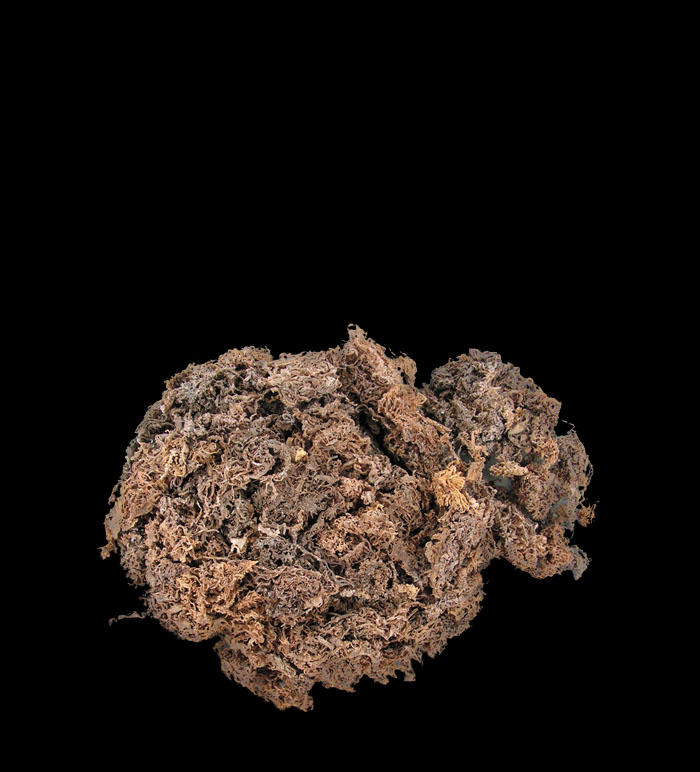
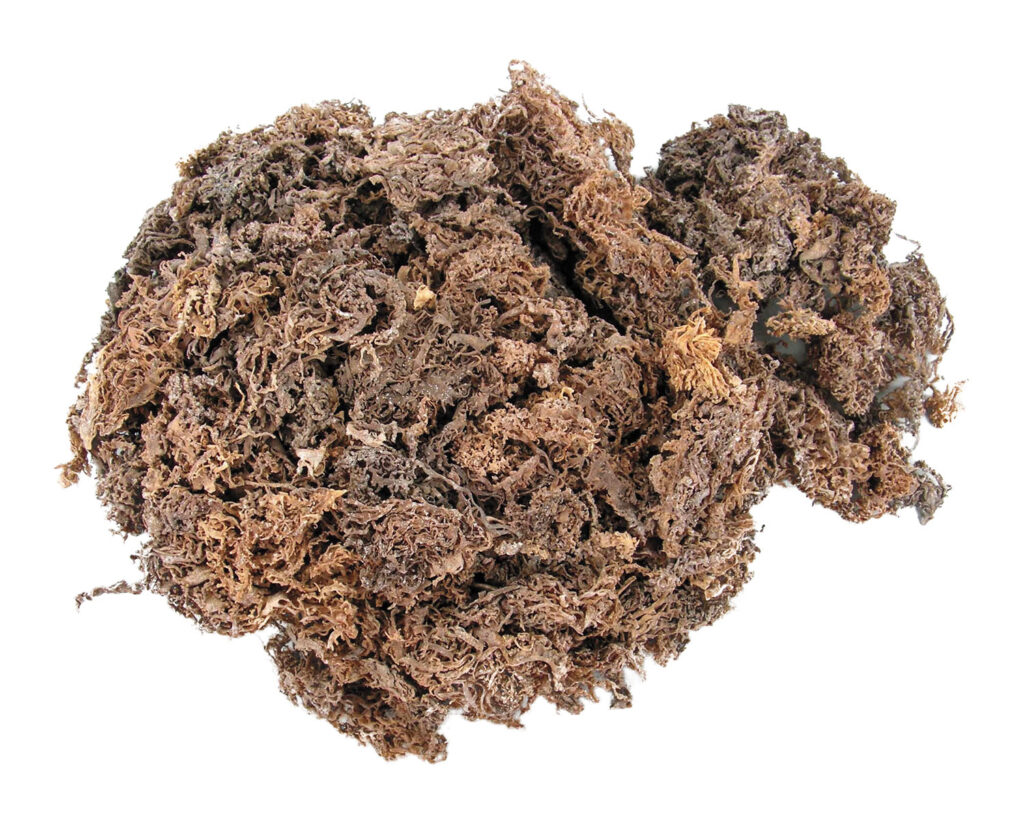
Peruvian cuisine is a deliciously inventive mash-up of ingredients and culinary traditions. A pair of discoveries suggests that it has been that way for thousands of years. At the site of Gramalote on the country’s northern coast, a team led by archaeologist Gabriel Prieto of the University of Florida has recovered more than 330 clusters of dried seaweed, most dating to the fourteenth century b.c., including a loaf weighing more than half a pound. Collecting seaweed is thought to have been the domain of women, yet the team found two men who were buried with small bundles of seaweed at Gramalote. “Gender roles were more flexible than we had envisioned,” says Prieto. Although inhabitants of Peru’s northern coast ate much of their haul, they traded some of it with mountain communities dozens of miles inland. Prieto says that, in return, the villagers carried highland delicacies such as yuca and quinoa back to Gramalote. For the highlanders, seaweed was a delicacy and remains so today. “They eat it at celebrations such as a child’s first haircut, a wedding, or the passing of a beloved family member,” Prieto says. “Those meals always include seaweed.”
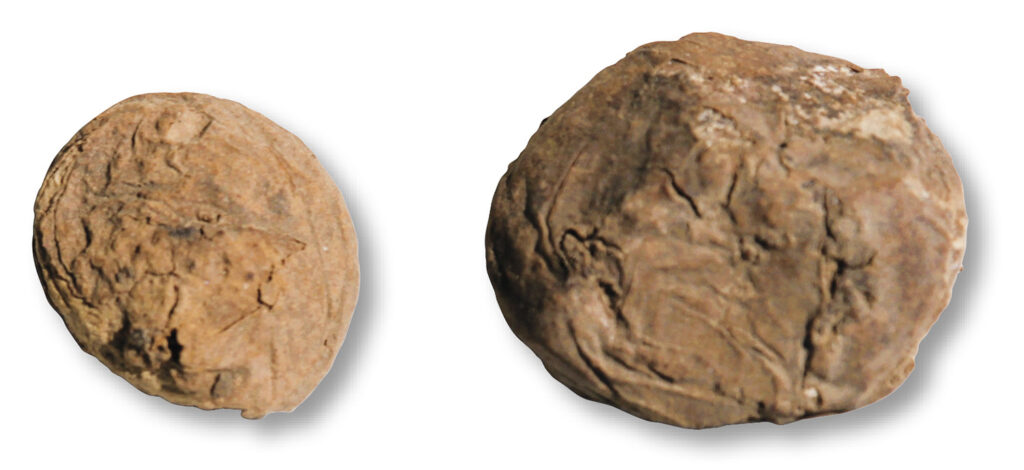
Three millennia later, the Inca drew from the earth instead of the sea to make their own tasty treats—freeze-dried potatoes, called chuño. “Spanish chroniclers stated that it was the Inca’s bread,” says archaeologist Lidio Valdez of the University of Calgary. Until Valdez’s recent discovery of two preserved potatoes in a ceramic vessel at Tambo Viejo, an Inca administrative center in southwestern Peru, archaeologists had only found chuño remnants at one site, more than a century ago. Ethnographic evidence suggests that the tubers were exposed to high-altitude winter frost at night and to sun during the day, desiccating and preserving them, potentially for years.