CHISELDON, UNITED KINGDOM—Cattle skulls and cauldrons indicate feasting was an important activity in southern England during the Iron Age. The 13 sturdy, decorative cauldrons are the largest group of such vessels ever to have been found in Europe. They had been buried together in a pit in an open area near a castle and a fort, which would have been an excellent meeting place. “Analysis of the interiors of the cauldrons has even revealed traces of animal fats, a tantalizing suggestion that these objects might have been used in cooking and serving meat-rich stews,” said Julia Farley of the British Museum. DNA testing could reveal what kind of meat had been cooked and served.
Iron Age Feasting in England
News December 13, 2012
Recommended Articles
Features July/August 2026
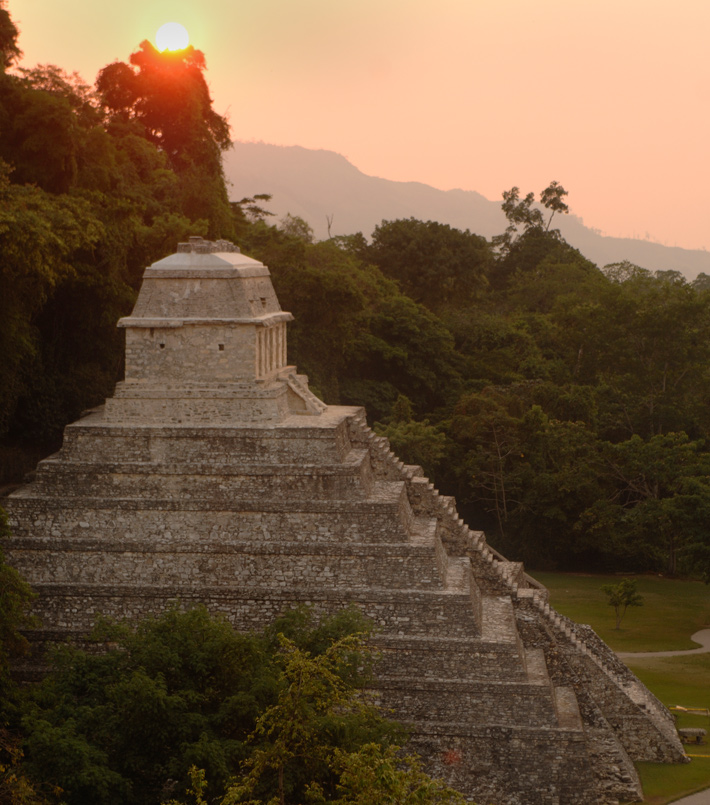
Egypt's First Queen
How a trailblazing ruler pulled her realm back from the brink
Features July/August 2026
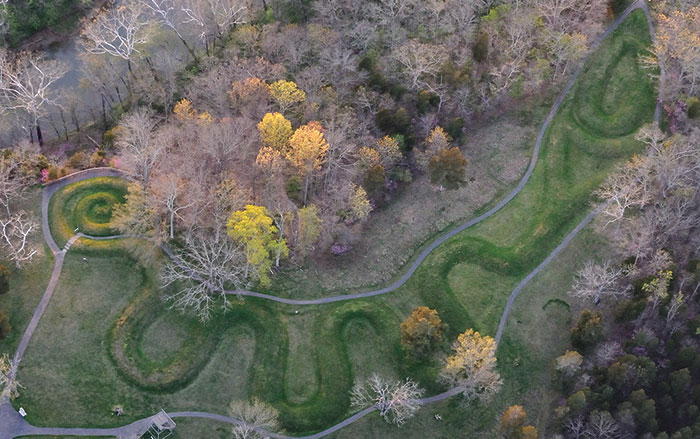
Secrets of the Serpent
Is a Native American origin story embedded in Ohio’s colossal earthwork?
Features July/August 2026
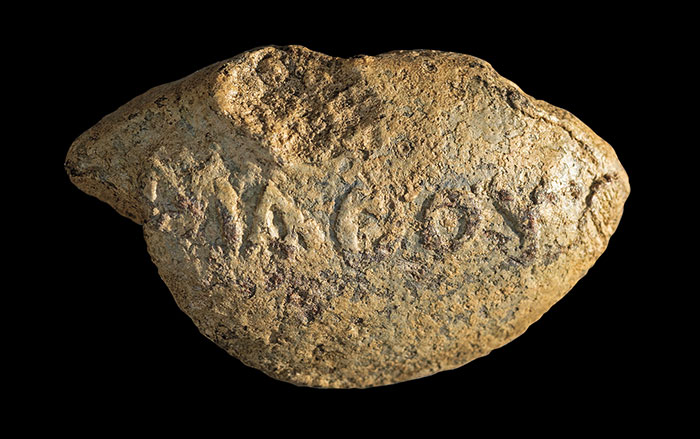
Slinging Insults
Greek and Roman soldiers fired pointed barbs at their enemies
Features July/August 2026
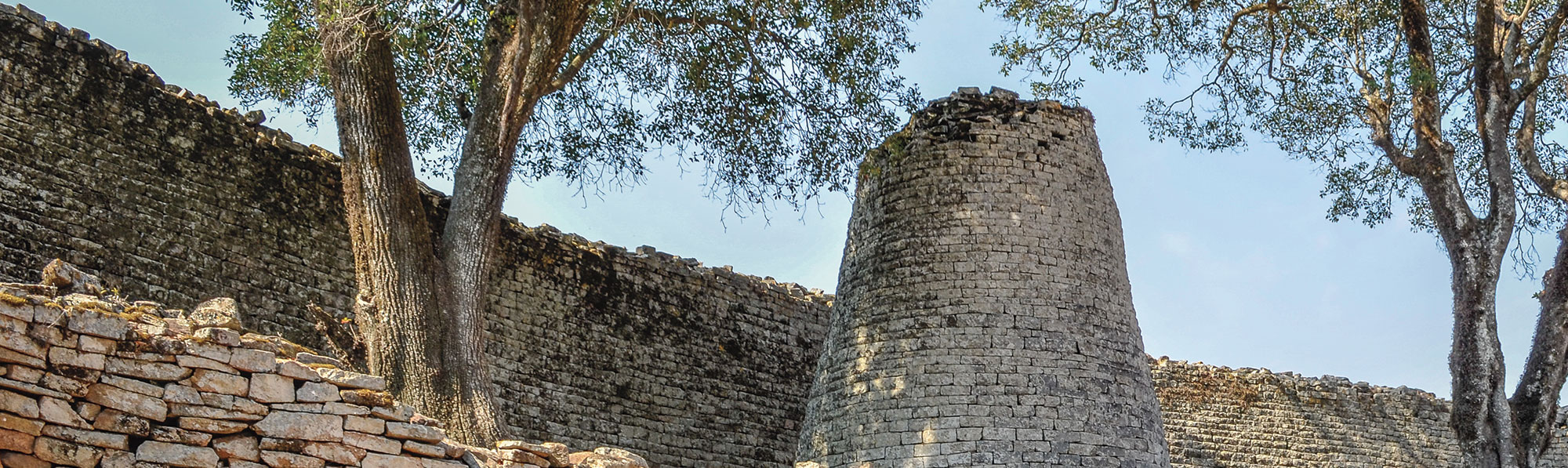
Inside Africa’s Houses of Stone
Archaeologists are rethinking how kings shared power beyond the great capitals of medieval Zimbabwe
-
Features November/December 2012
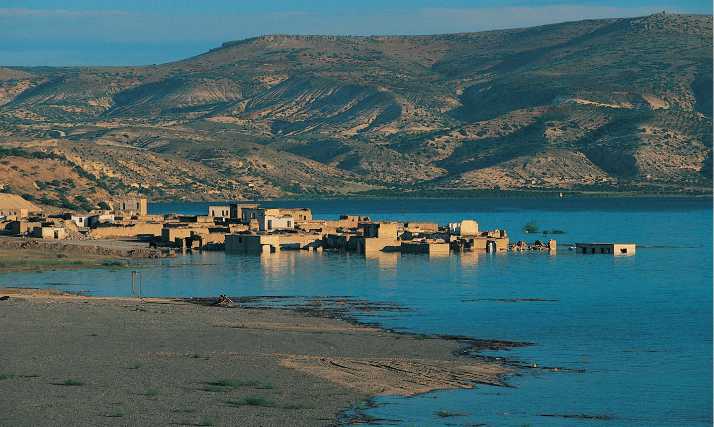
Zeugma After the Flood
New excavations continue to tell the story of an ancient city at the crossroads between east and west
(Hasan Yelken/Images & Stories) -
Letter from India November/December 2012
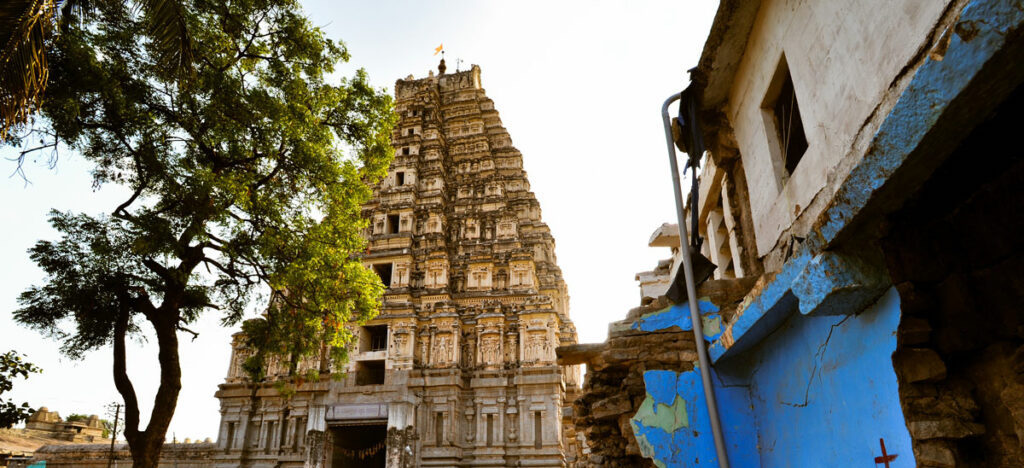
Living Heritage at Risk
Searching for a new approach to development, tourism, and local needs at the grand medieval city of Hampi
(Gethin Chamberlain) -
Artifacts November/December 2012
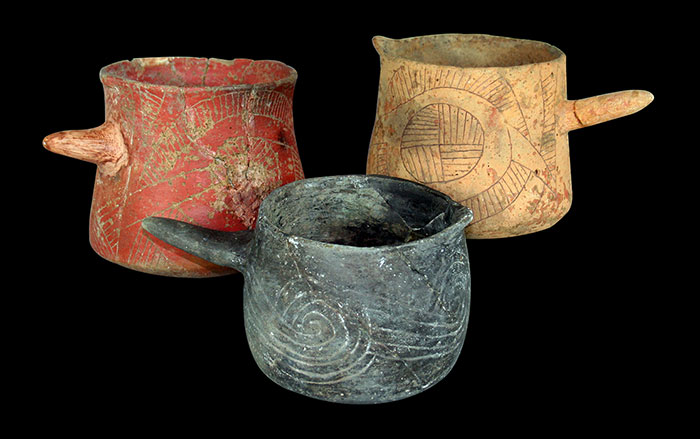
Beaker Vessels
Ceramic beakers were the vessels of choice for the so-called “Black Drink” used at Cahokia by Native Americans in their purification rituals
(Linda Alexander, photographer, use with permission of the Illinois State Archaeological Society) -
Digs & Discoveries November/December 2012
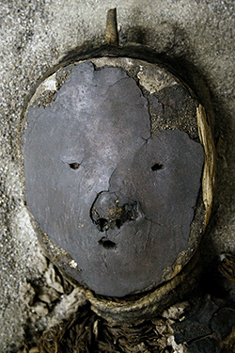
The Desert and the Dead
(Courtesy Bernardo Arriaza)