

PHOENIX, ARIZONA—This year, the Museum of Northern Arizona repatriated human bones and artifacts from its Sinagua collection to the Hopi Tribe under the Native American Graves Protection and Repatriation Act. The remains and artifacts had been excavated from the Coconino National Forest, and were the property of the federal government. Records indicate that an 800-year-old skeleton known as the Magician may also have been repatriated, along with the jewelry, baskets, cutting blades, mountain lion teeth, shells, a beaded cap, and arrows that had been buried with him. The burial was noted for a basket decorated with more than 1,000 pieces of turquoise, the remains of an imported macaw, and 13 wooden pointers that may have been used in a “sword-swallowing feat of magic.”
Artifacts Repatriated to Hopi Tribe
News December 31, 2012
Recommended Articles
Features July/August 2026
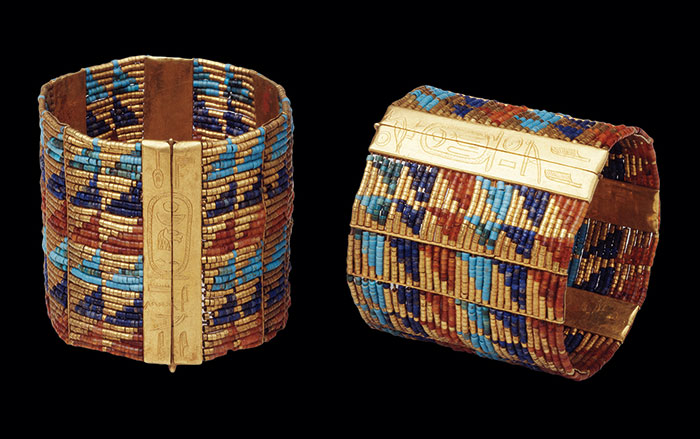
Egypt's First Queen
How a trailblazing ruler pulled her realm back from the brink
Features July/August 2026
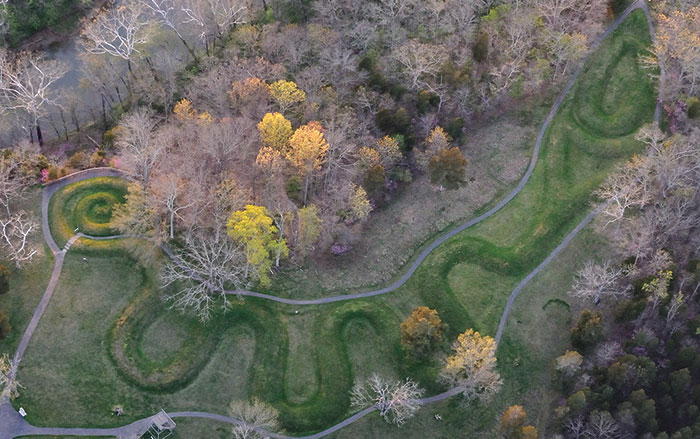
Secrets of the Serpent
Is a Native American origin story embedded in Ohio’s colossal earthwork?
Features July/August 2026
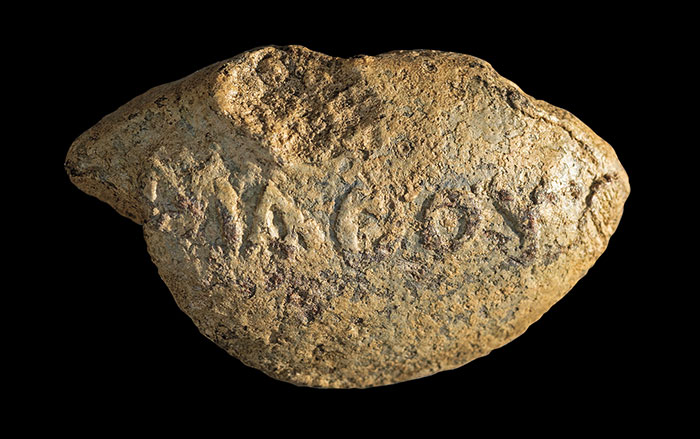
Slinging Insults
Greek and Roman soldiers fired pointed barbs at their enemies
Features July/August 2026
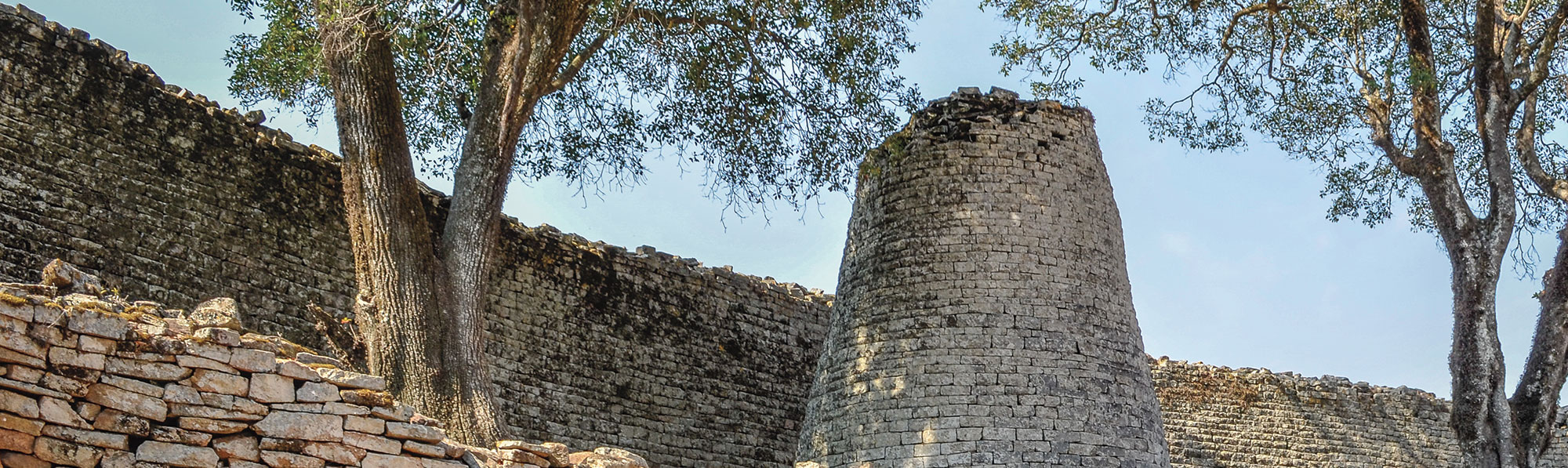
Inside Africa’s Houses of Stone
Archaeologists are rethinking how kings shared power beyond the great capitals of medieval Zimbabwe
More to Discover
Features November/December 2012
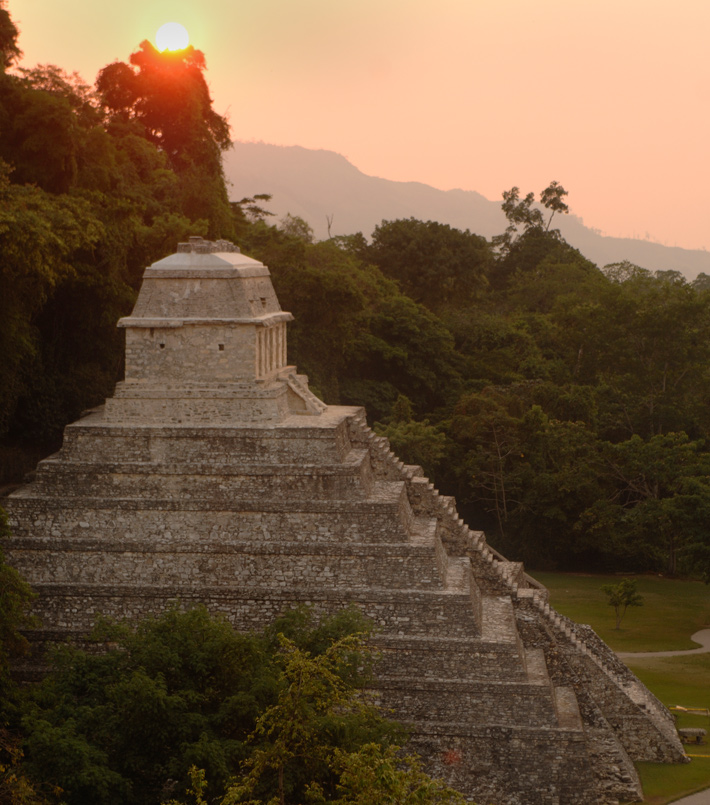
The Maya Sense of Time
As one Maya calendar reaches the end of a cycle, we take a look at how an ancient people understood their place in the cosmos
-
Features November/December 2012
Zeugma After the Flood
New excavations continue to tell the story of an ancient city at the crossroads between east and west
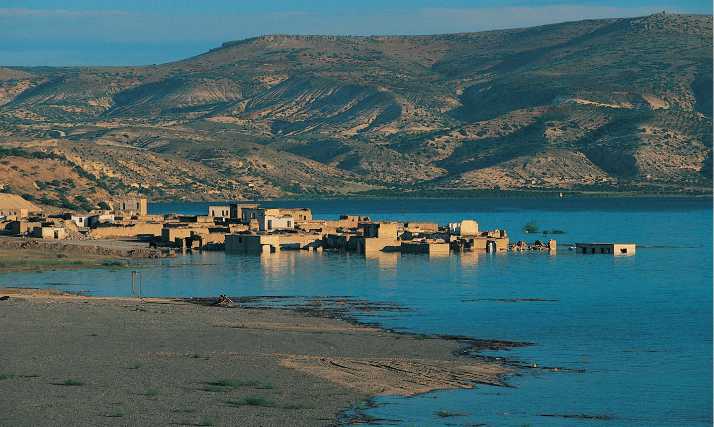 (Hasan Yelken/Images & Stories)
 -
Letter from India November/December 2012
Living Heritage at Risk
Searching for a new approach to development, tourism, and local needs at the grand medieval city of Hampi
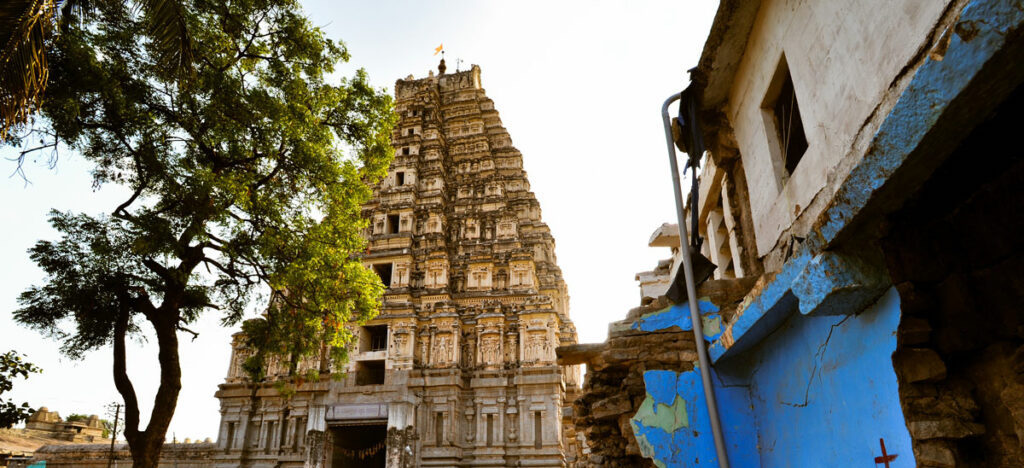 (Gethin Chamberlain)
 -
Artifacts November/December 2012
Beaker Vessels
Ceramic beakers were the vessels of choice for the so-called “Black Drink” used at Cahokia by Native Americans in their purification rituals
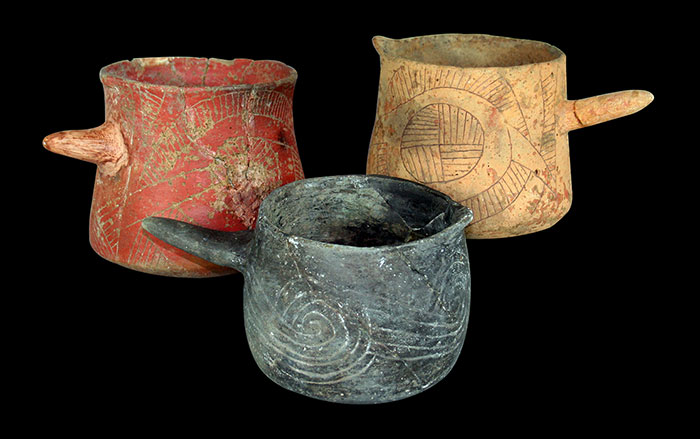 (Linda Alexander, photographer, use with permission of the Illinois State Archaeological Society)
 -
Digs & Discoveries November/December 2012
The Desert and the Dead
 (Courtesy Bernardo Arriaza)