SEATTLE—Roman children living at the military outpost of Vindolanda were dressed to reflect their parents’ social status from very young ages, according to research presented by Elizabeth Greene of the University of Western Ontario at the annual meeting of the Archaeological Institute of America. More than 4,000 shoes have been recovered from the Roman fort in northern Britain, and the children’s shoes resemble the adult shoes found in different parts of the site. Elaborate, formal shoes were uncovered in the home of the prefect of the Ninth cohort of Batavians, and simple shoes were found in the barracks. “Even the infant children of the prefect were held to the expectations of dress according to one’s class,” she explained.
Shoes Made the Man (and Child)
News January 10, 2013
Recommended Articles
Off the Grid January/February 2026
Prophetstown, Indiana
Letter from France January/February 2026
Neolithic Cultural Revolution
How farmers came together to build Europe’s most grandiose funerary monuments some 7,000 years ago
Features January/February 2026
The Cost of Doing Business
Piecing together the Roman empire’s longest known inscription—a peculiarly precise inventory of prices
Features January/February 2026
The Birds of Amarna
An Egyptian princess seeks sanctuary in her private palace
-
Features November/December 2012
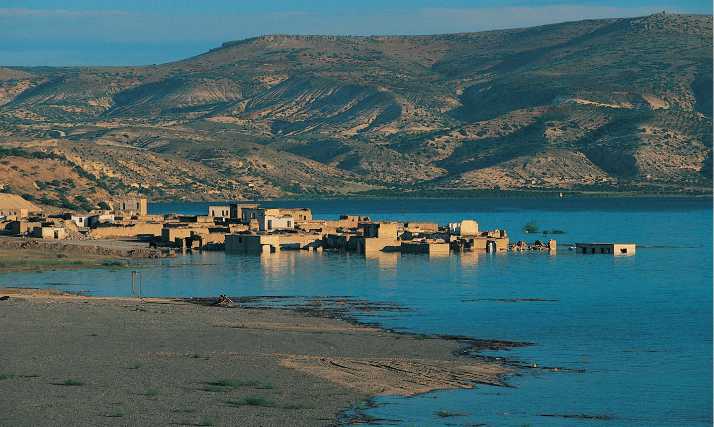
Zeugma After the Flood
New excavations continue to tell the story of an ancient city at the crossroads between east and west
(Hasan Yelken/Images & Stories) -
Letter from India November/December 2012
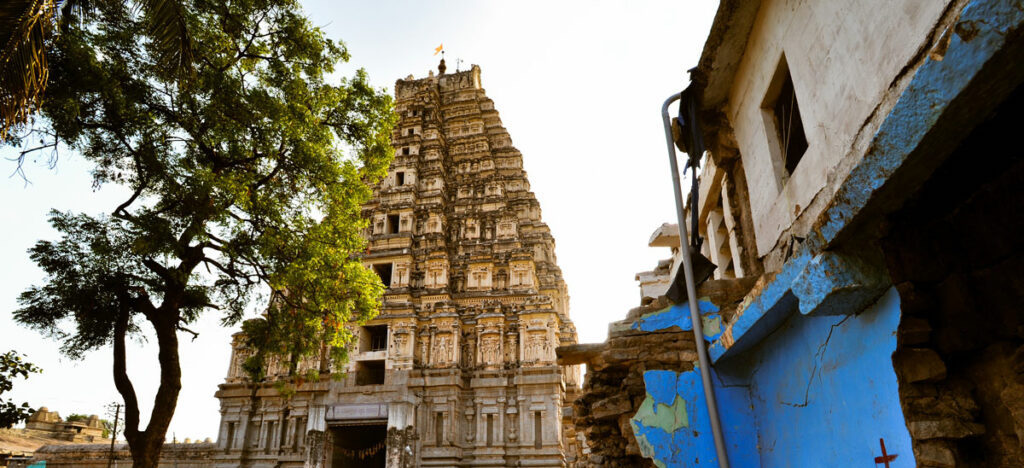
Living Heritage at Risk
Searching for a new approach to development, tourism, and local needs at the grand medieval city of Hampi
(Gethin Chamberlain) -
Artifacts November/December 2012
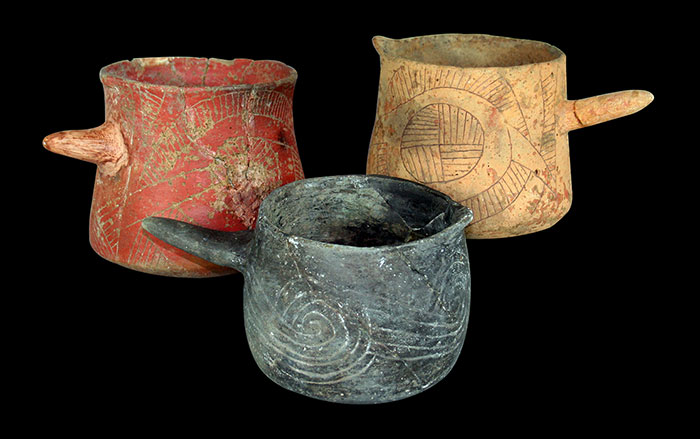
Beaker Vessels
Ceramic beakers were the vessels of choice for the so-called “Black Drink” used at Cahokia by Native Americans in their purification rituals
(Linda Alexander, photographer, use with permission of the Illinois State Archaeological Society) -
Digs & Discoveries November/December 2012
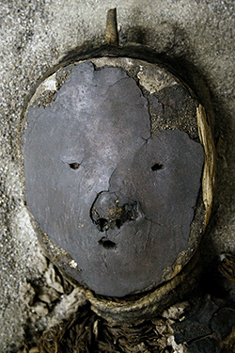
The Desert and the Dead
(Courtesy Bernardo Arriaza)