ST DAVIDS, WALES—A woman walking along Caerfai Beach during low tide spotted three submerged mines dating to the First World War. “At first I thought it was some sort of Roman pottery,” said Julia Horton Powdrill, who happens to be an archaeologist. “Personally I think the sea has been so rough and swirly recently that it’s likely the sand covering them has been washed away,” she added. Powdrill had been out foraging for seaweed when she made the discovery.

World War I Mines Discovered on Welsh Beach
News February 4, 2013
Recommended Articles
Off the Grid January/February 2026
Prophetstown, Indiana
Letter from France January/February 2026
Neolithic Cultural Revolution
How farmers came together to build Europe’s most grandiose funerary monuments some 7,000 years ago
Features January/February 2026
The Cost of Doing Business
Piecing together the Roman empire’s longest known inscription—a peculiarly precise inventory of prices
Features January/February 2026
The Birds of Amarna
An Egyptian princess seeks sanctuary in her private palace
-
Features January/February 2013
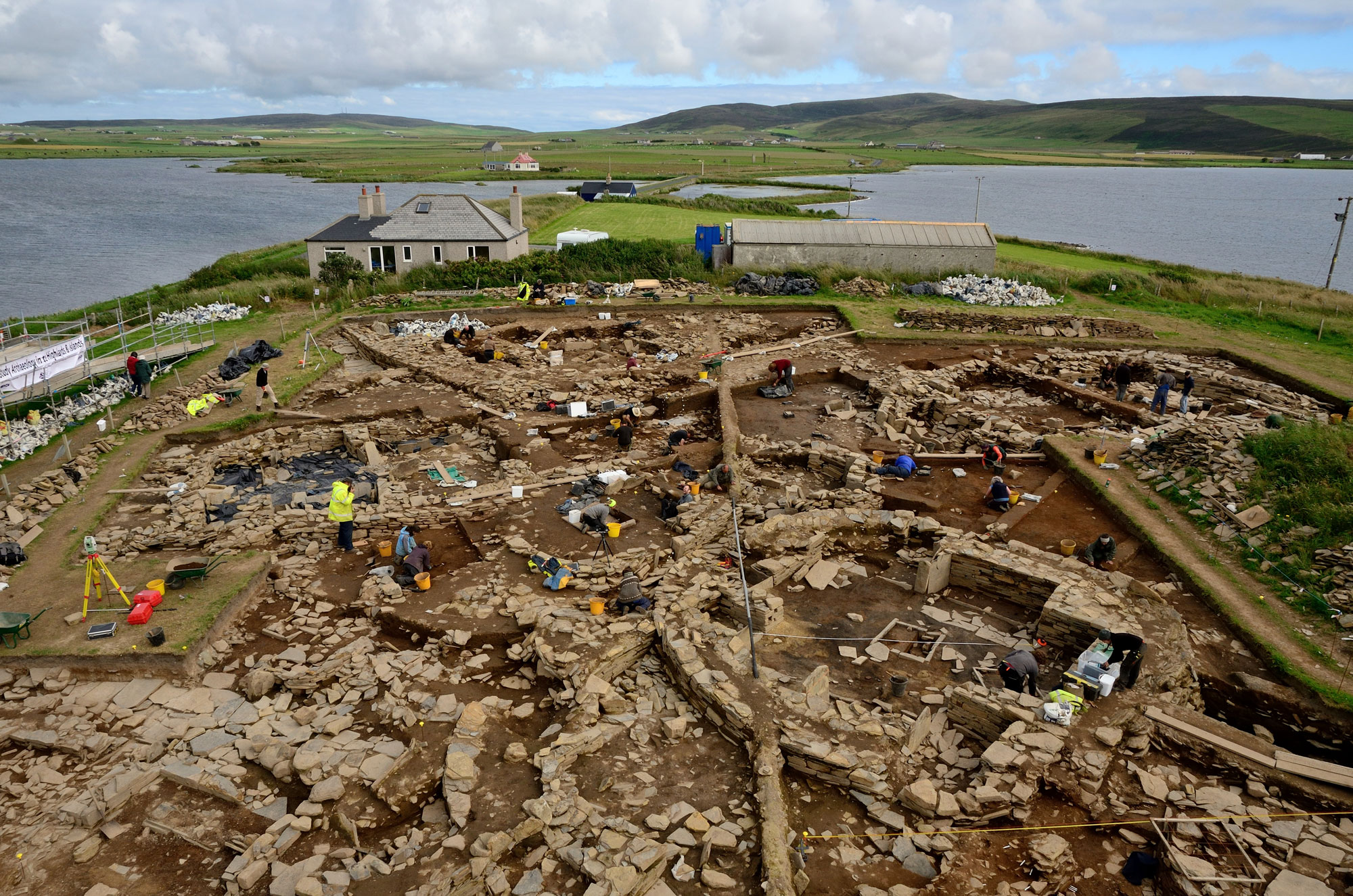
Neolithic Europe's Remote Heart
One thousand years of spirituality, innovation, and social development emerge from a ceremonial center on the Scottish archipelago of Orkney
Adam Stanford/Aerial Cam -
Features January/February 2013
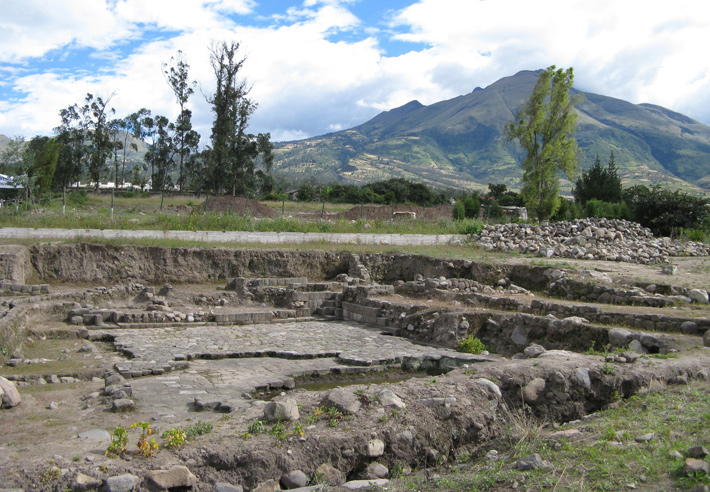
The Water Temple of Inca-Caranqui
Hydraulic engineering was the key to winning the hearts and minds of a conquered people
(Courtesy Tamara L. Bray) -
Letter from France January/February 2013
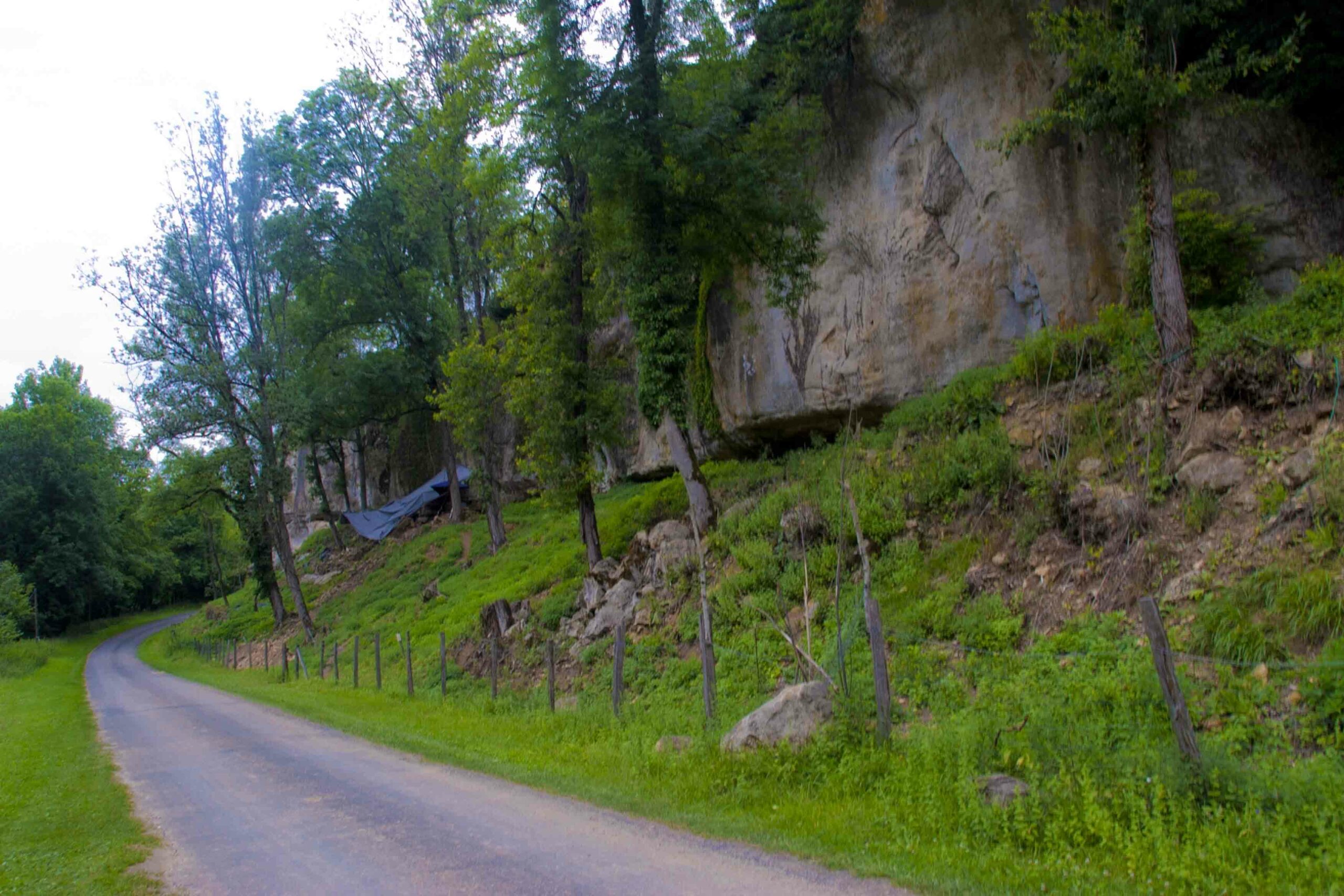
Structural Integrity
Nearly 20 years of investigation at two rock shelters in southwestern France reveal the well-organized domestic spaces of Europe's earliest modern humans
-
Artifacts January/February 2013
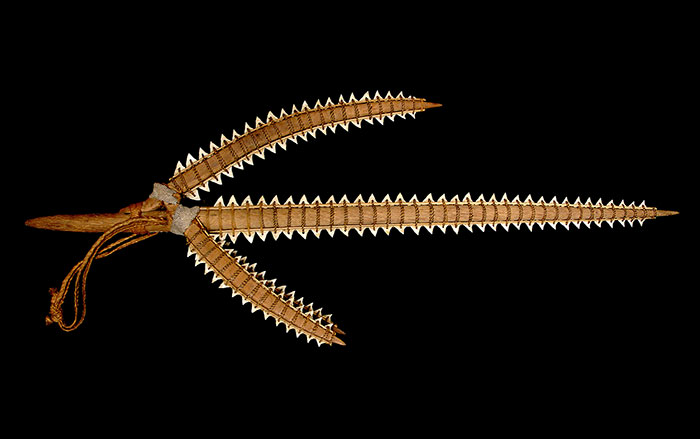
Pacific Islands Trident
A mid-nineteenth-century trident illustrates a changing marine ecosystem in the South Pacific
(Catalog Number 99071 © The Field Museum, [CL000_99071_Overall], Photographer Christopher J. Philipp)