

LEPENSKI VIR, SERBIA—Analysis of the strontium levels in the teeth of 153 skeletons from nine sites along the Danube River suggests that some Mesolithic hunter-gatherers and early Neolithic farmers mingled 8,200 years ago. For many years, the hunter-gatherers fished in the Danube and traded for marine shells with other hunter-gatherers. Their teeth reflect the composition of the river sediments. By the time of the Late Mesolithic, however, different strontium levels were found in some of the women’s teeth, indicating that they had grown up eating a terrestrial diet. Their bones date to about the same time that Neolithic-style ornaments show up at the sites. “The forager communities were being integrated into the Neolithic social networks rather than resisting them. The picture is largely one of peaceful coexistence,” explained Dušan Borić of Cardiff University.
Peace in the Balkans
News February 12, 2013
Recommended Articles
Off the Grid November/December 2026
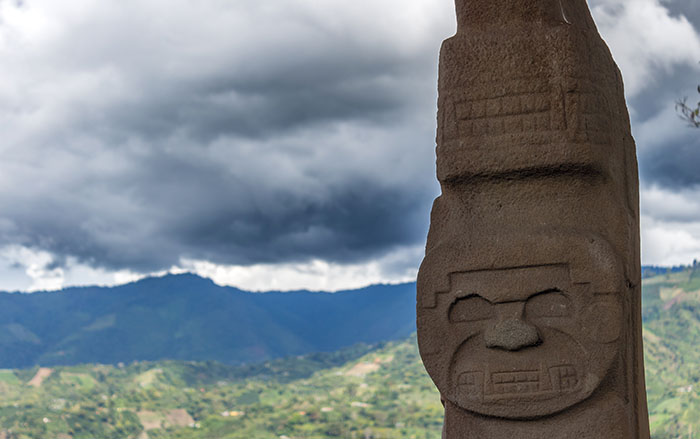
San Agustín, Colombia
Letter from Cape Canaveral November/December 2026
Dawn of the Space Age
Archaeologists have made surprising discoveries spanning 3,000 years at the birthplace of American space exploration

Features November/December 2026
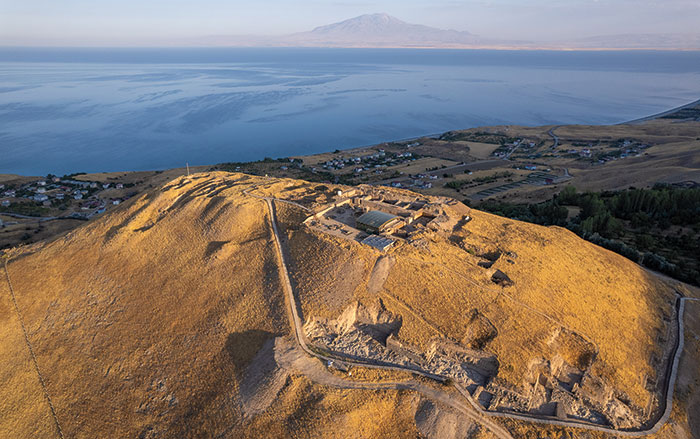
Kingdom of Fortresses
How diverse and far-flung Iron Age chiefdoms united to challenge the Assyrian Empire
Features November/December 2026
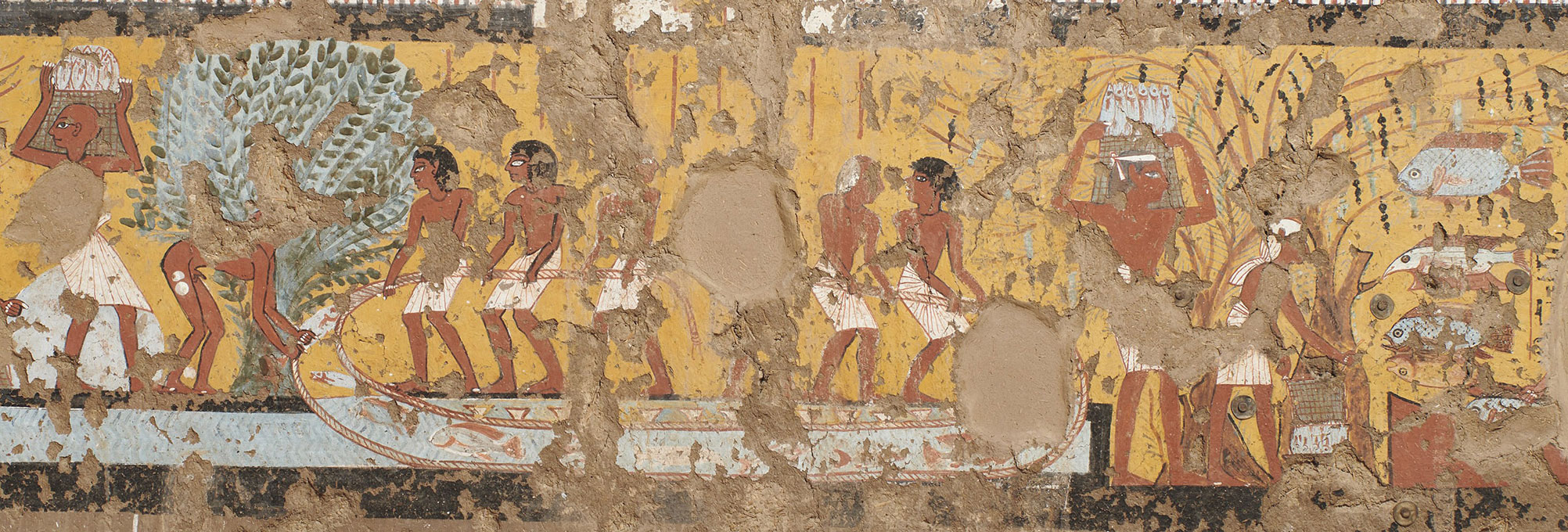
A Tomb of One's Own
Life behind the scenes in Egypt’s Valley of the Kings
-
Features January/February 2013
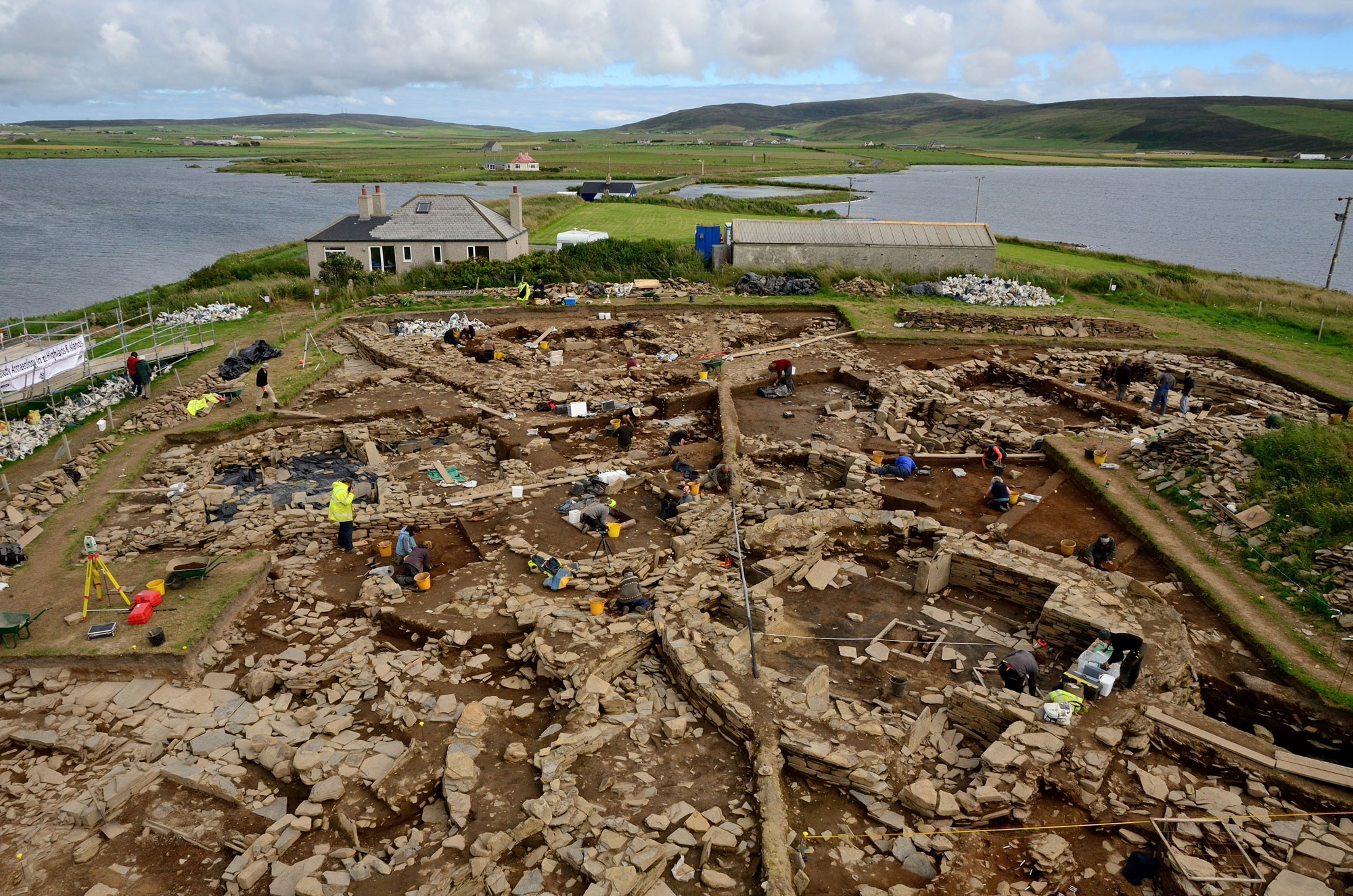
Neolithic Europe's Remote Heart
One thousand years of spirituality, innovation, and social development emerge from a ceremonial center on the Scottish archipelago of Orkney
 Adam Stanford/Aerial Cam
-
Features January/February 2013
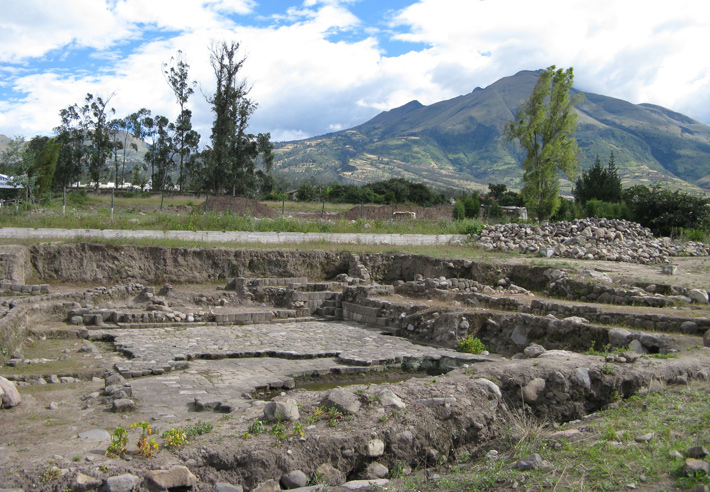
The Water Temple of Inca-Caranqui
Hydraulic engineering was the key to winning the hearts and minds of a conquered people
 (Courtesy Tamara L. Bray)
-
Letter from France January/February 2013
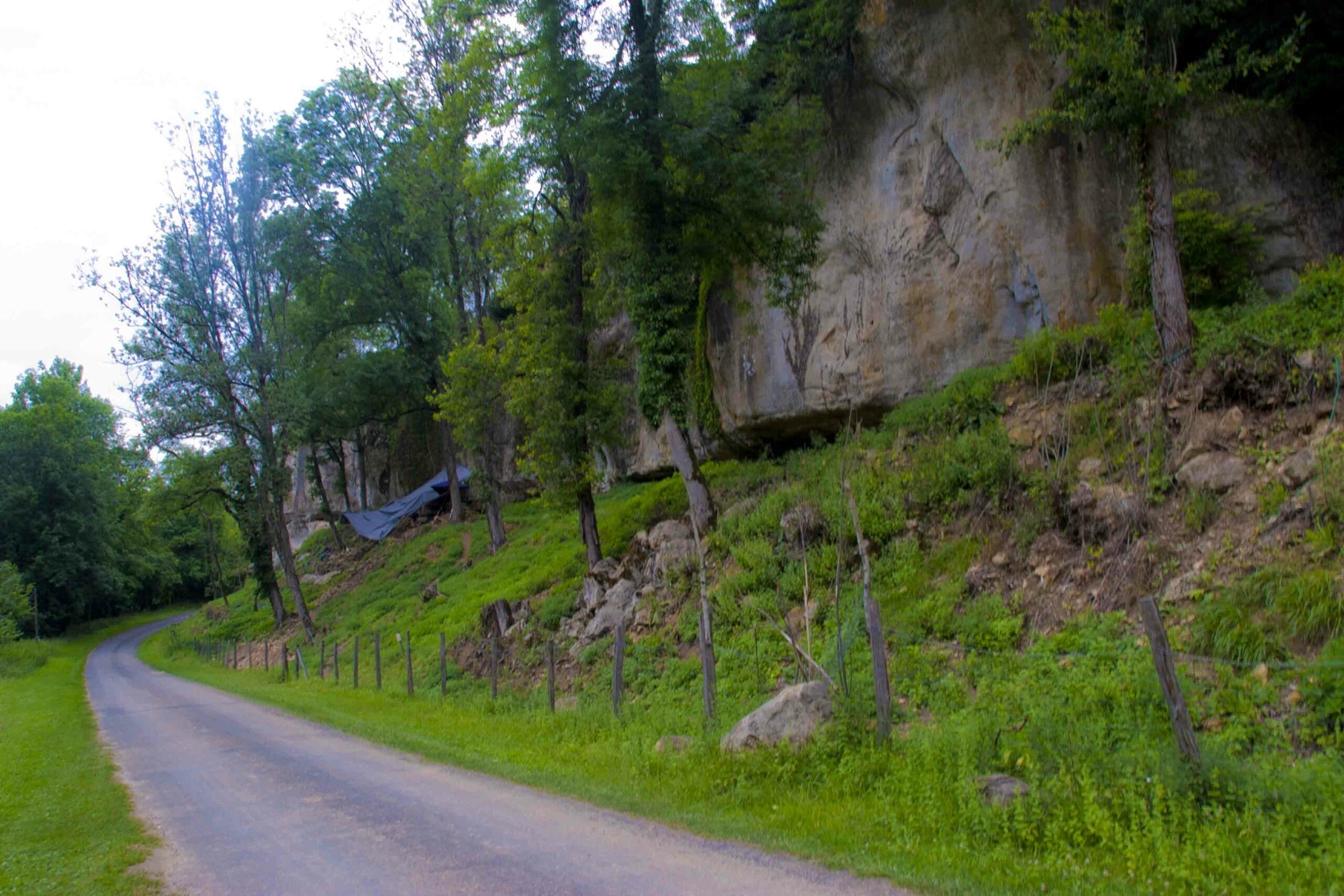
Structural Integrity
Nearly 20 years of investigation at two rock shelters in southwestern France reveal the well-organized domestic spaces of Europe's earliest modern humans
-
Artifacts January/February 2013
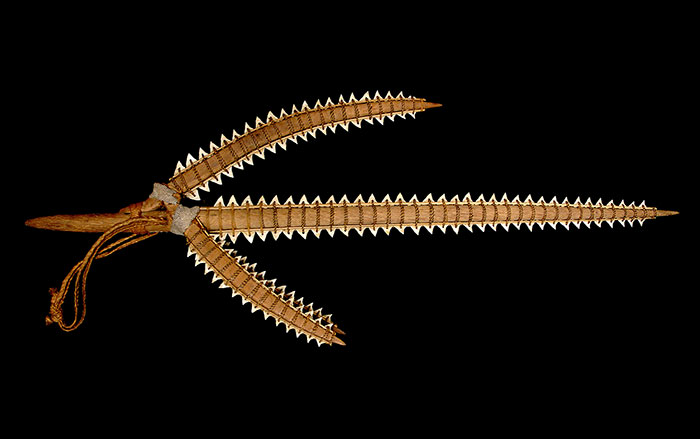
Pacific Islands Trident
A mid-nineteenth-century trident illustrates a changing marine ecosystem in the South Pacific
 (Catalog Number 99071 © The Field Museum, [CL000_99071_Overall], Photographer Christopher J. Philipp)