

TUCSON, ARIZONA—Geneticists from the University of Arizona have identified an extremely rare Y chromosome that they say is the oldest-known branch of the human Y chromosome lineage tree. The discovery pushes back the most recent common ancestor for the lineage tree to 338,000 years ago, before the appearance of modern humans in the fossil record. This particular Y chromosome came from an African-American man living in South Carolina who had sent a DNA sample to a consumer genetic testing company. His Y chromosome was eventually matched with 11 men from western Cameroon. “And the sequences of those individuals are variable, so it’s not like they all descended from the same grandfather,” said Michael Hammer of the University of Arizona. “It is likely that other divergent lineages will be found, whether in Africa or among African-Americans in the U.S. and that some of these may further increase the age of the Y chromosome tree,” he added.
Rare Human Y Chromosome Is More than 300,000 Years Old
News March 8, 2013
Recommended Articles
Features July/August 2026
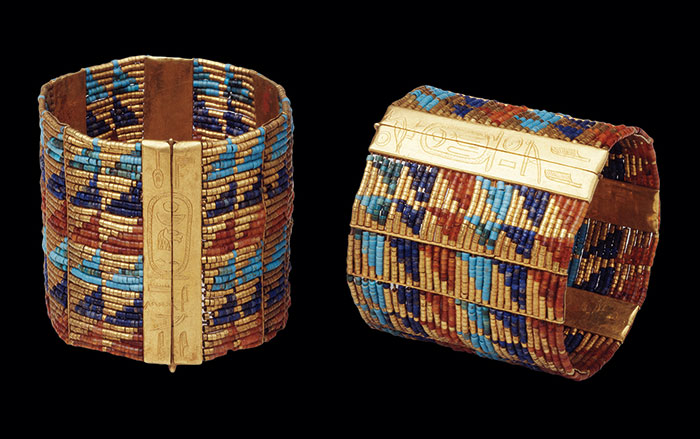
Egypt's First Queen
How a trailblazing ruler pulled her realm back from the brink
Features July/August 2026
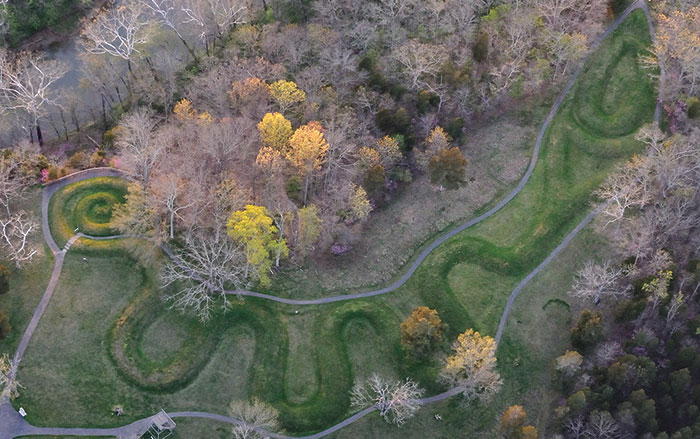
Secrets of the Serpent
Is a Native American origin story embedded in Ohio’s colossal earthwork?
Features July/August 2026
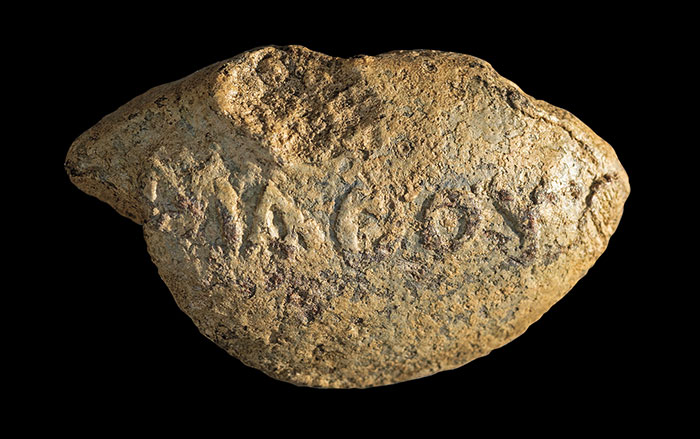
Slinging Insults
Greek and Roman soldiers fired pointed barbs at their enemies
Features July/August 2026
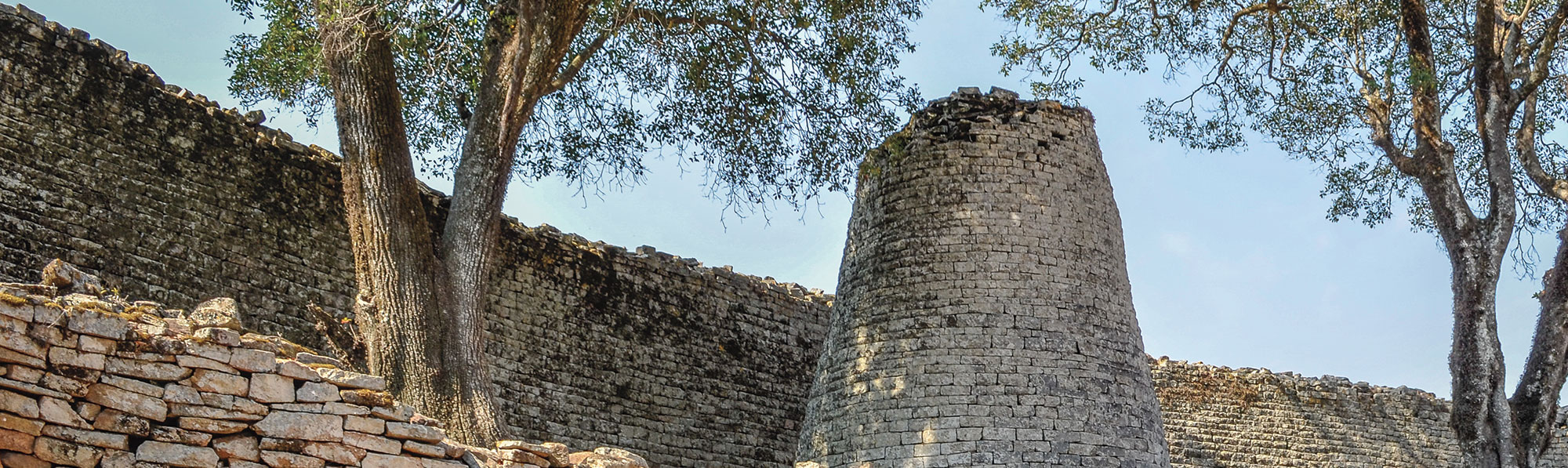
Inside Africa’s Houses of Stone
Archaeologists are rethinking how kings shared power beyond the great capitals of medieval Zimbabwe
-
Features January/February 2013
Neolithic Europe's Remote Heart
One thousand years of spirituality, innovation, and social development emerge from a ceremonial center on the Scottish archipelago of Orkney
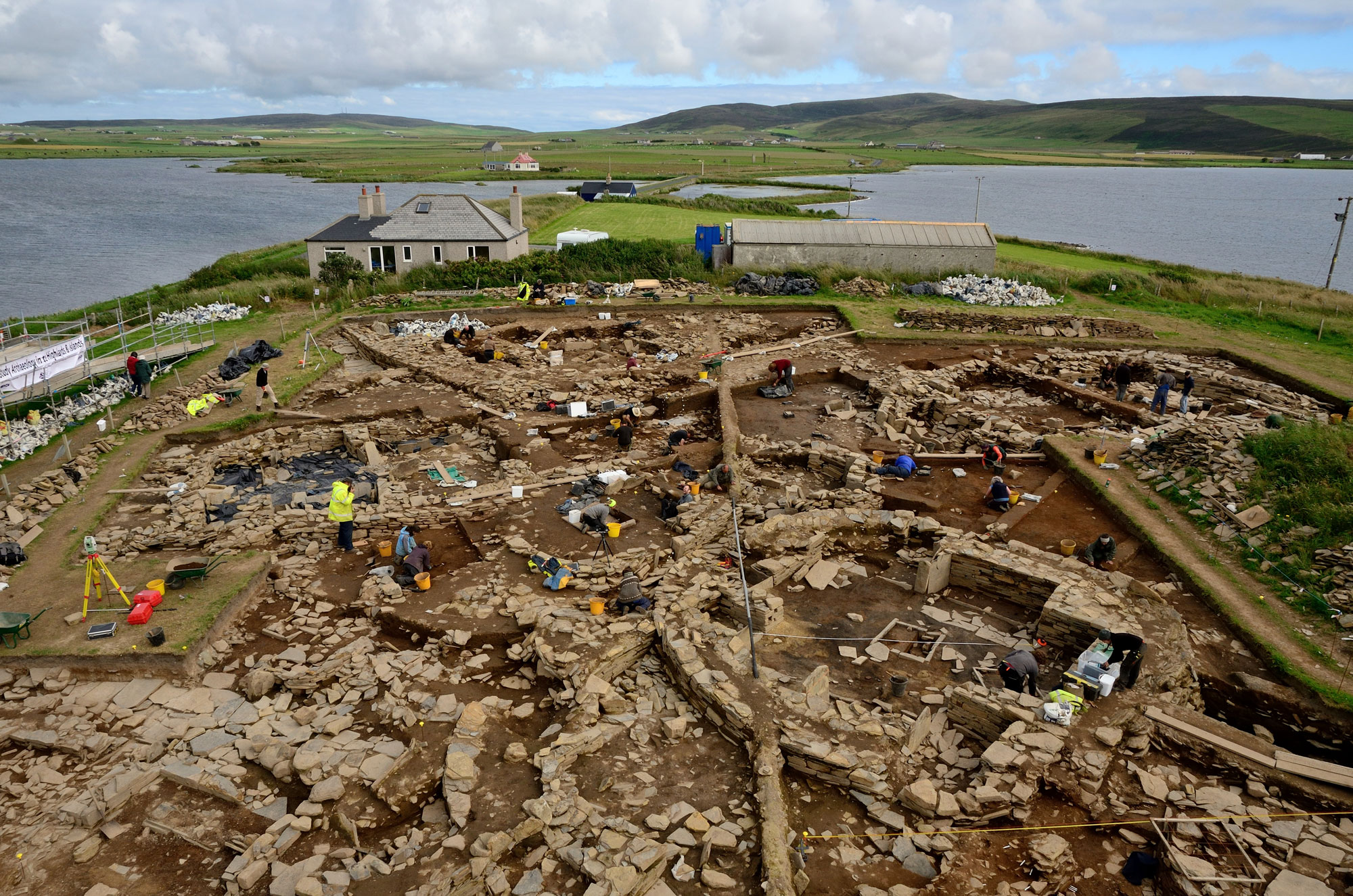 Adam Stanford/Aerial Cam
 -
Features January/February 2013
The Water Temple of Inca-Caranqui
Hydraulic engineering was the key to winning the hearts and minds of a conquered people
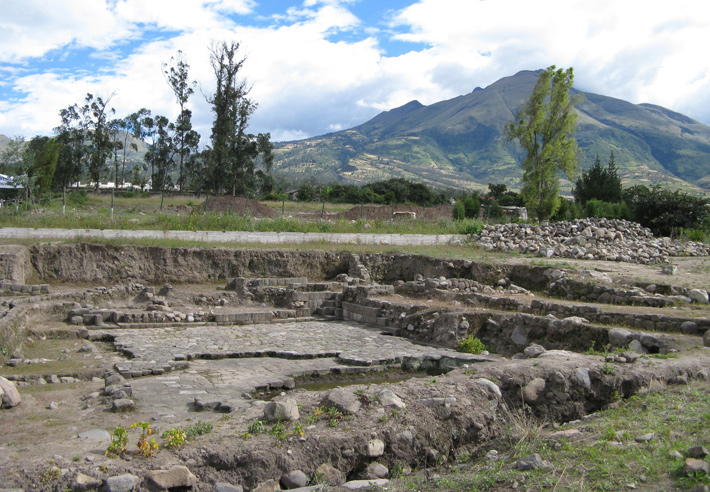 (Courtesy Tamara L. Bray)
 -
Letter from France January/February 2013
Structural Integrity
Nearly 20 years of investigation at two rock shelters in southwestern France reveal the well-organized domestic spaces of Europe's earliest modern humans

-
Artifacts January/February 2013
Pacific Islands Trident
A mid-nineteenth-century trident illustrates a changing marine ecosystem in the South Pacific
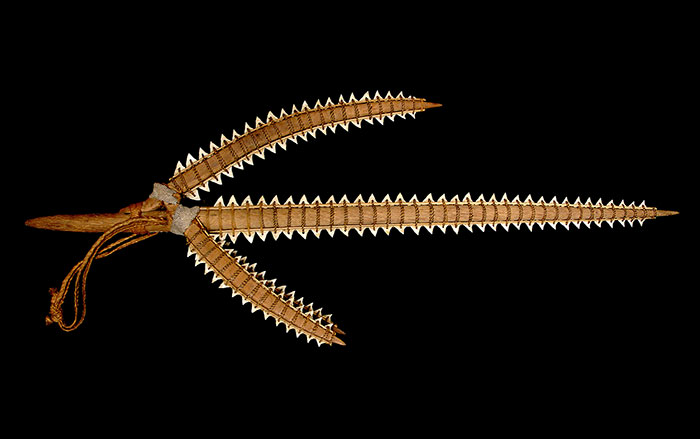 (Catalog Number 99071 © The Field Museum, [CL000_99071_Overall], Photographer Christopher J. Philipp)