
WILKES CO., GEORGIA—Carr’s Fort has been discovered by a team of archaeologists after a month-long search of more than 2,700 wooded acres. “The search for Carr’s Fort was like looking for a needle in a haystack, only harder. We had no map and few descriptions of the fort, so its location was entirely unknown,” said Daniel Elliott of the LAMAR Institute. Captain Robert Carr of the Georgia Patriot militia and more than 100 soldiers were stationed at his frontier home when they were overtaken by Loyalist soldiers in 1779. Additional Patriot forces laid siege to the fort in an attempt to take it back, but they were forced to retreat. Carr was later killed by a raiding party of Loyalist Creek Indians. Archaeologists used metal detectors to find evidence of the battle, including musket balls, musket parts, and eighteenth-century iron and brass artifacts.
Revolutionary War Battlefield Found
News April 30, 2013
Recommended Articles
Off the Grid November/December 2026
San Agustín, Colombia
Letter from Cape Canaveral November/December 2026
Dawn of the Space Age
Archaeologists have made surprising discoveries spanning 3,000 years at the birthplace of American space exploration

Features November/December 2026
Kingdom of Fortresses
How diverse and far-flung Iron Age chiefdoms united to challenge the Assyrian Empire
Features November/December 2026
A Tomb of One's Own
Life behind the scenes in Egypt’s Valley of the Kings
More to Discover
Features March/April 2013
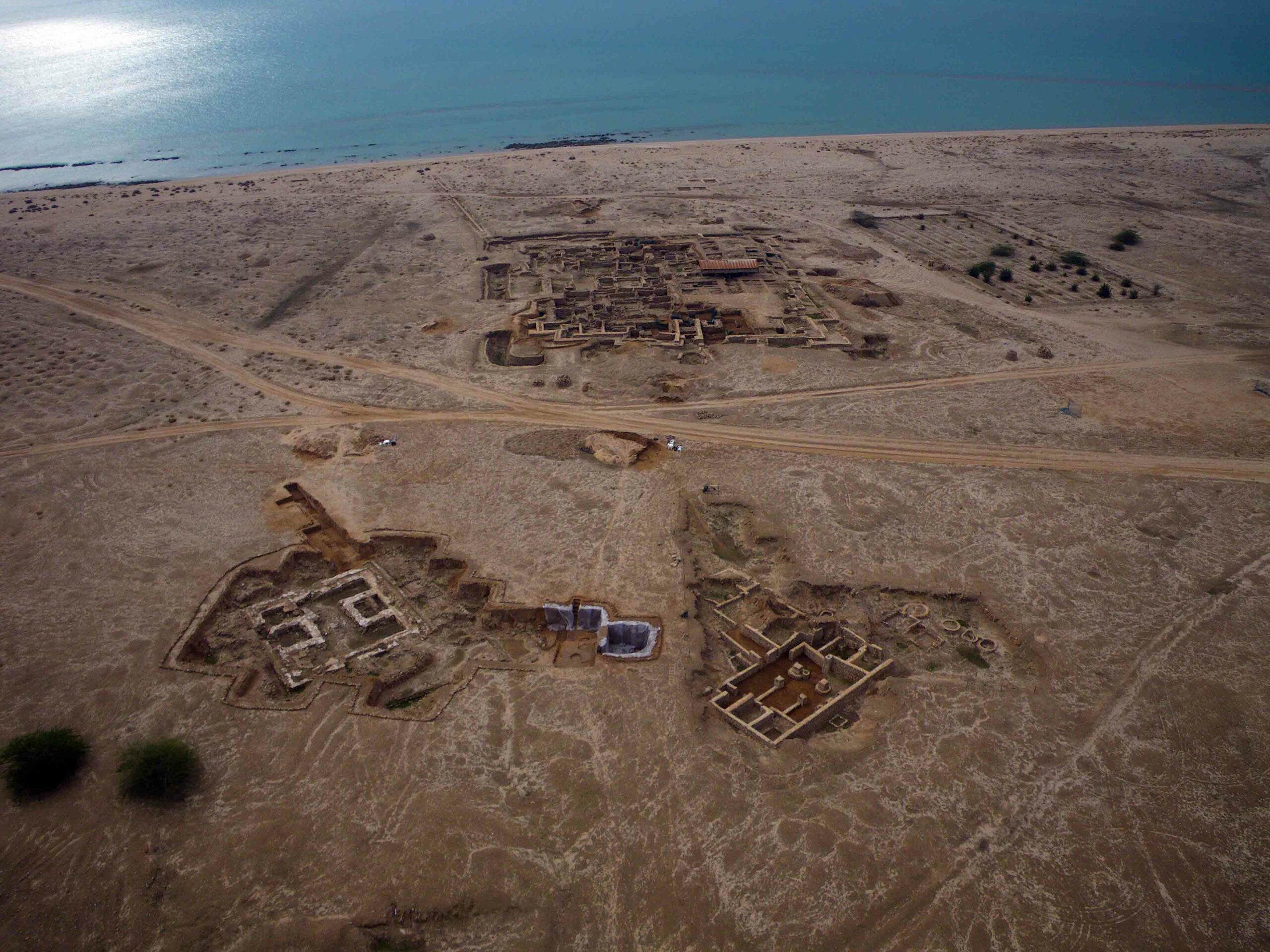
Archaeology Island
More than 4,000 years of history in only 16 square miles
-
Features March/April 2013
Pirates of the Original Panama Canal
Searching for the remains of Captain Henry Morgan's raid on Panama City
 (Courtesy Captain Morgan Rum Co.)
 -
Features March/April 2013
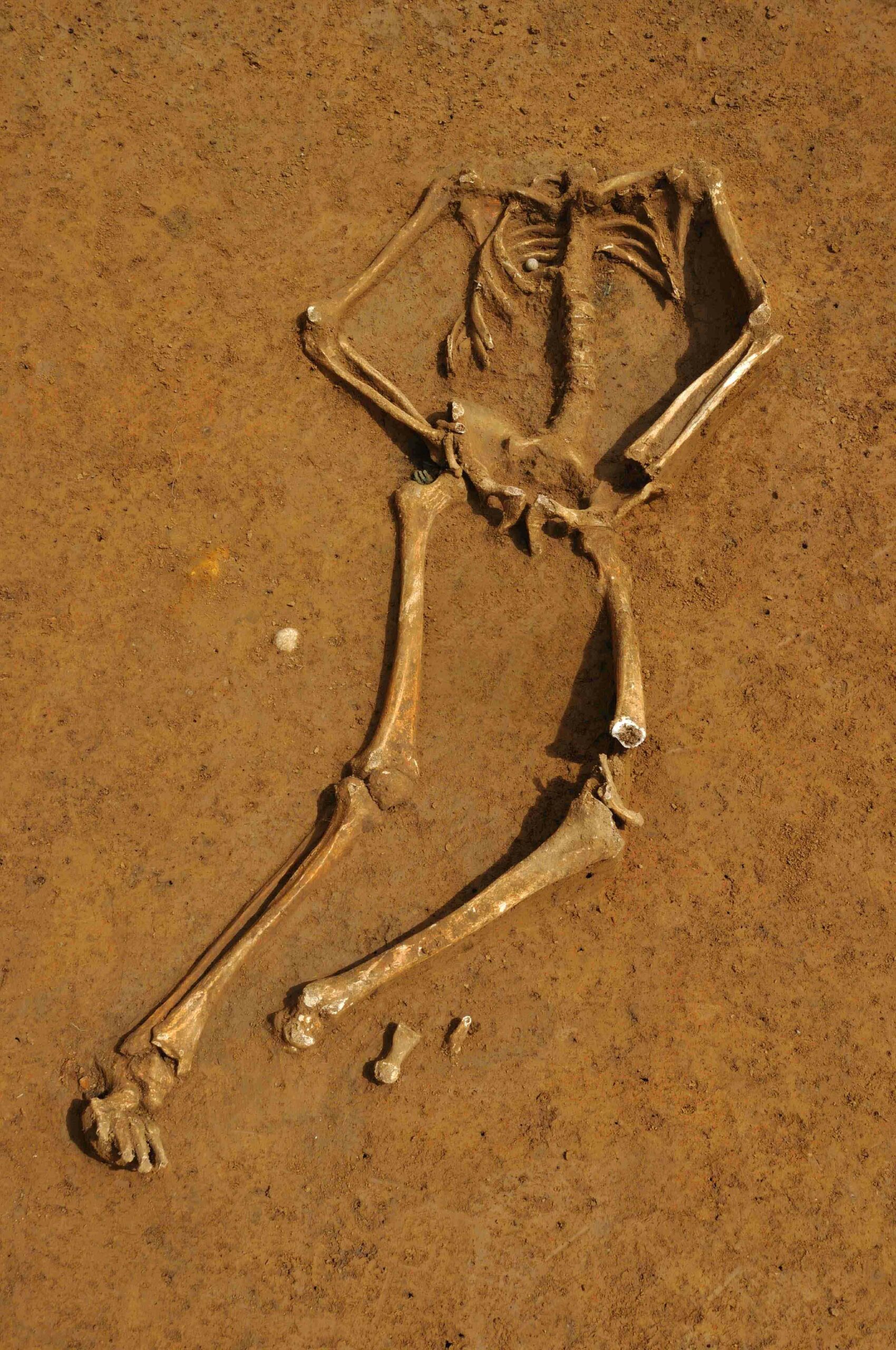
A Soldier's Story
The battle that changed European history, told through the lens of a young man’s remains
 (Courtesy Dominique Bosquet)
 -
Letter From Cambodia March/April 2013
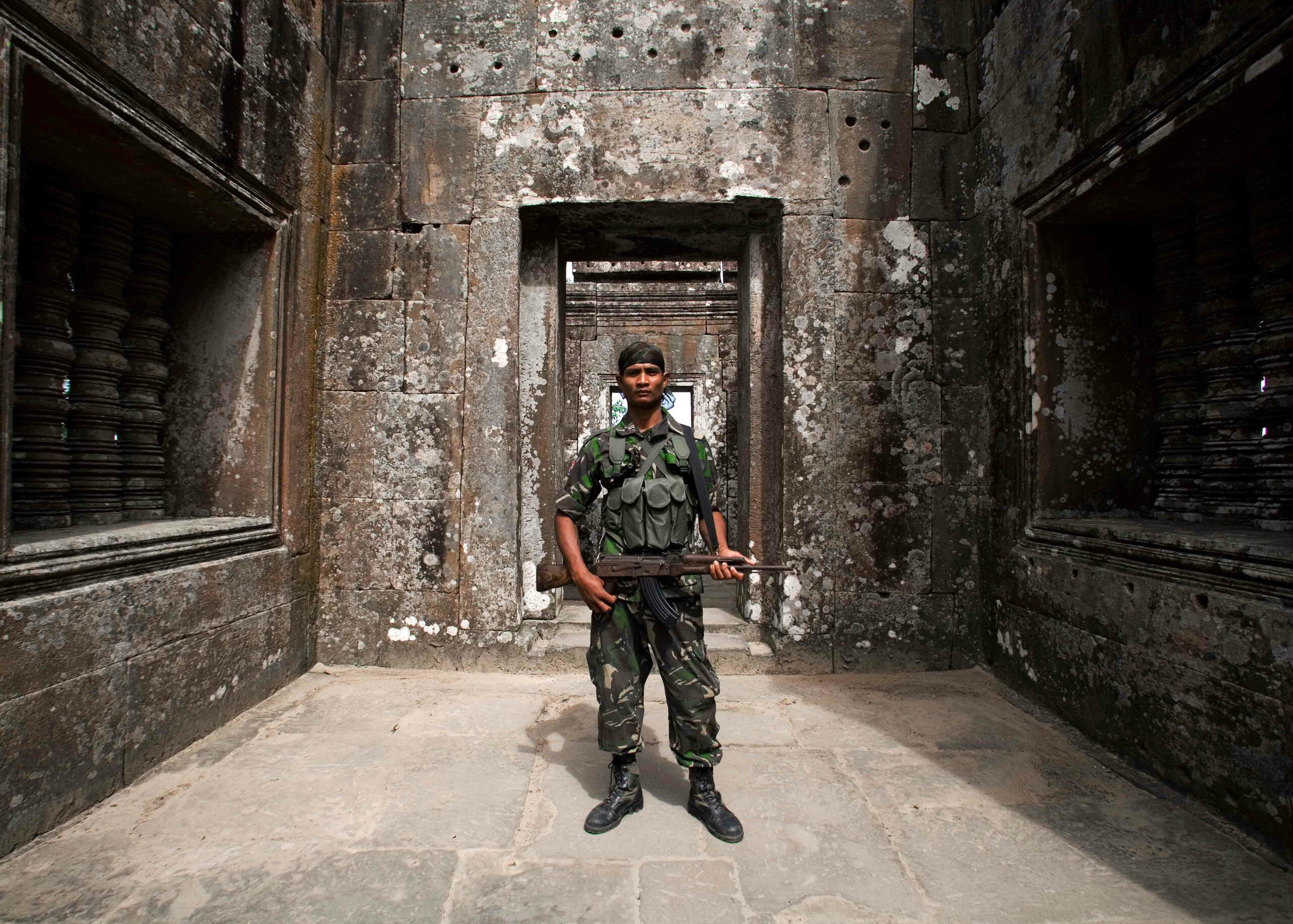
The Battle Over Preah Vihear
A territorial dispute involving a 1,100-year-old Khmer temple on the Thai-Cambodian border turns violent
 (Masuru Goto)
 -
Artifacts March/April 2013
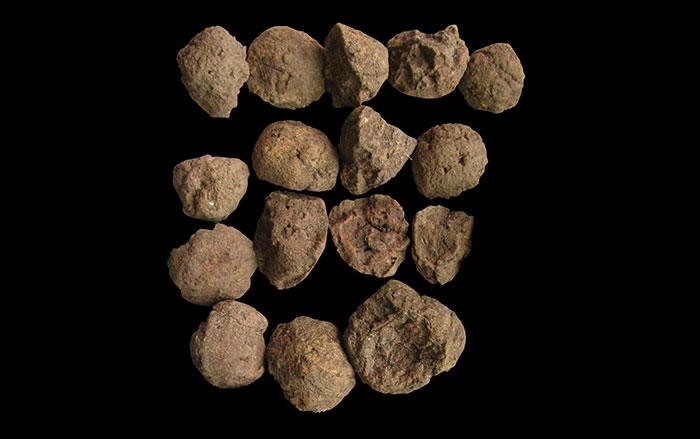
Pottery Cooking Balls
Scientific analyses and experimental ARCHAEOLOGY determine that mysterious, 1,000-year-old balls of clay found at Yucatán site were used in cooking
 (Courtesy Bolonchen Regional Archaeological Project)