SPRINGFIELD, ILLINOIS—Jameson Jenkins was an African-American Underground Railroad conductor who lived five doors down from Abraham Lincoln. Built in the 1840s, historic maps show that his home was smaller than others in the neighborhood, and it had an irregular shape. Recent investigations at the site, conducted by researchers from the Lincoln Home National Historic Site and the Illinois State Museum, uncovered window glass, porcelain, buttons, cut nails, and animal bones. They also found a corner pier of the home. “It was about four feet down and tells us there is something left of Jenkins’ house,” said historian Tim Townsend. The house was demolished in the 1870s.
Home of Underground Railroad Conductor Investigated
News July 2, 2013
Recommended Articles
Off the Grid January/February 2026
Prophetstown, Indiana
Letter from France January/February 2026
Neolithic Cultural Revolution
How farmers came together to build Europe’s most grandiose funerary monuments some 7,000 years ago
Features January/February 2026
The Cost of Doing Business
Piecing together the Roman empire’s longest known inscription—a peculiarly precise inventory of prices
Features January/February 2026
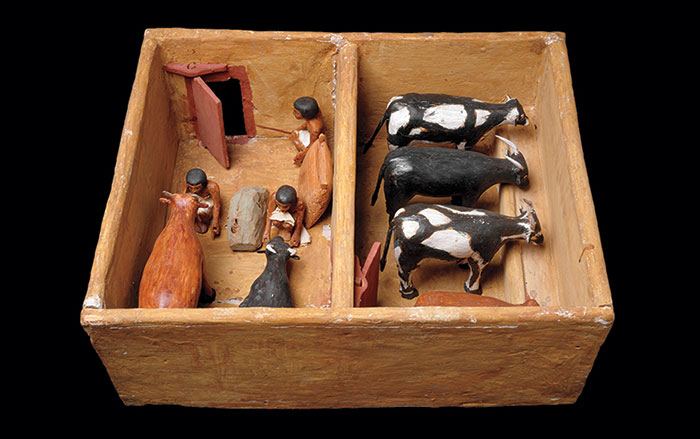
The Birds of Amarna
An Egyptian princess seeks sanctuary in her private palace
-
Features May/June 2013
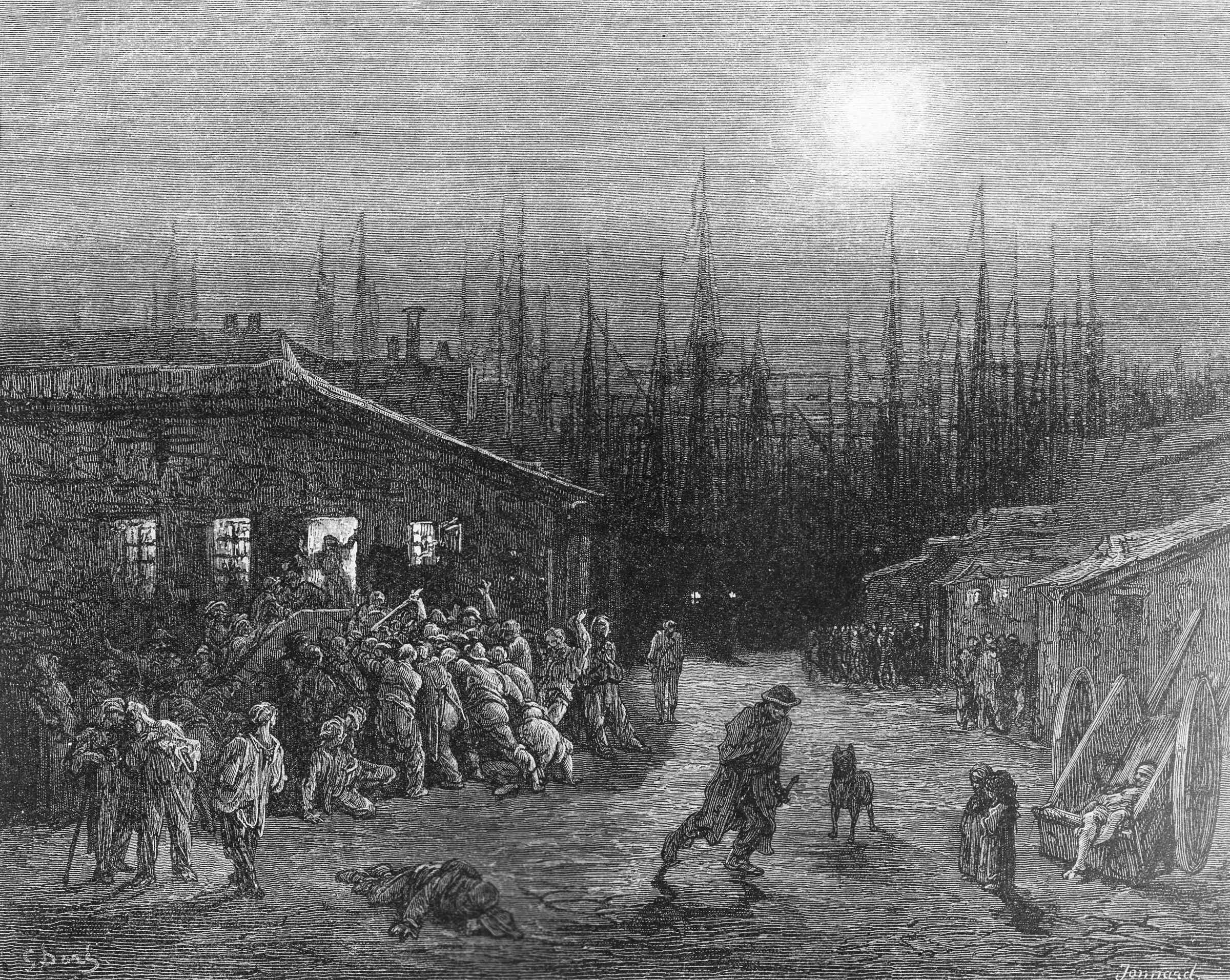
Haunt of the Resurrection Men
A forgotten graveyard, the dawn of modern medicine, and the hard life in 19th-century London
(Private Collection/The Bridgeman Art Library) -
Features May/June 2013
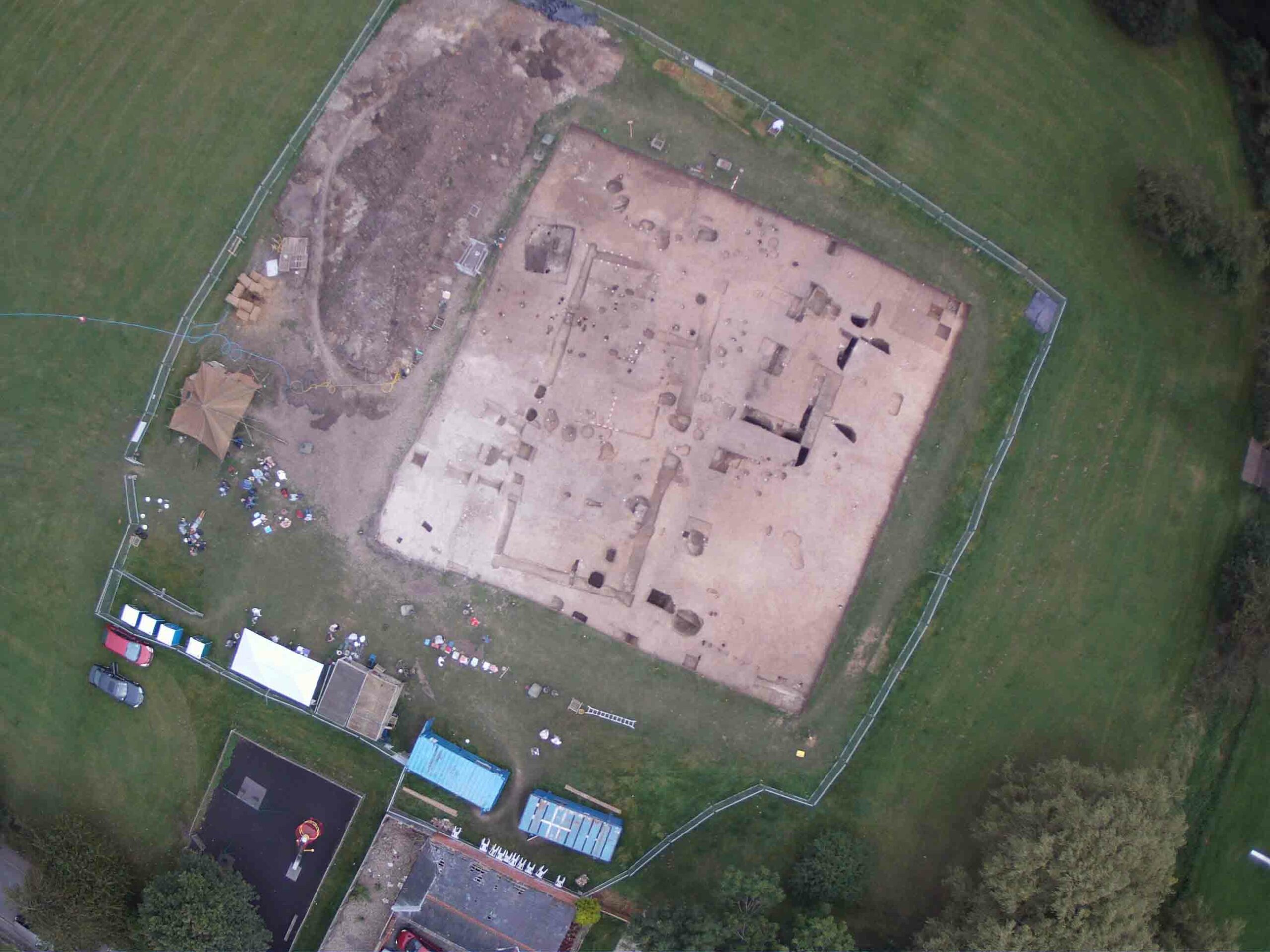
The Kings of Kent
The surprising discovery of an Anglo-Saxon feasting hall in the village of Lyminge is offering a new view of the lives of these pagan kings
(Photo by William Laing, © University of Reading) -
Letter from Turkey May/June 2013
Anzac's Next Chapter
Archaeologists conduct the first-ever survey of the legendary WWI battlefield at Gallipoli
(Samir S. Patel) -
Artifacts May/June 2013
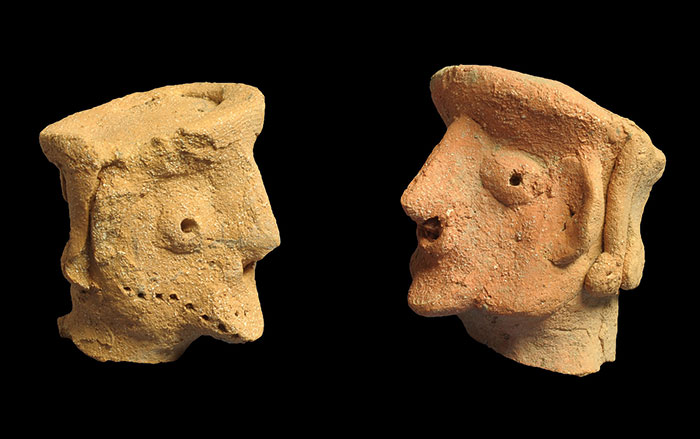
Ancient Near Eastern Figurines
Ceramic figurines were part of a cache of objects found at an Iron Age temple uncovered at the site of Tel Motza outside Jerusalem
(Clara Amit, courtesy of the Israel Antiquities Authority)