LIMA, PERU—The remains of a sacrificed woman have been found beneath the floor of a ceremonial courtyard at the Moche temple of Cao Viejo, located at the El Brujo complex. Archaeologists think her body had been dropped into the burial pit because she was found in the prone position with her head toward the west and one arm extended. This is a unique position in known burials of Moche sacrifice victims. Her death may have been “caused by her swallowing some toxic substance or being strangled with a cord, the usual method with young women who accompanied Moche dignitaries into the tomb,” said American archaeologist John Verano, who works with the Peruvian team of excavators led by Regulo Franco.
Sacrificed Woman Found at Moche Temple
News July 15, 2013
Recommended Articles
Off the Grid January/February 2026
Prophetstown, Indiana
Letter from France January/February 2026
Neolithic Cultural Revolution
How farmers came together to build Europe’s most grandiose funerary monuments some 7,000 years ago
Features January/February 2026
The Cost of Doing Business
Piecing together the Roman empire’s longest known inscription—a peculiarly precise inventory of prices
Features January/February 2026
The Birds of Amarna
An Egyptian princess seeks sanctuary in her private palace
-
Features May/June 2013
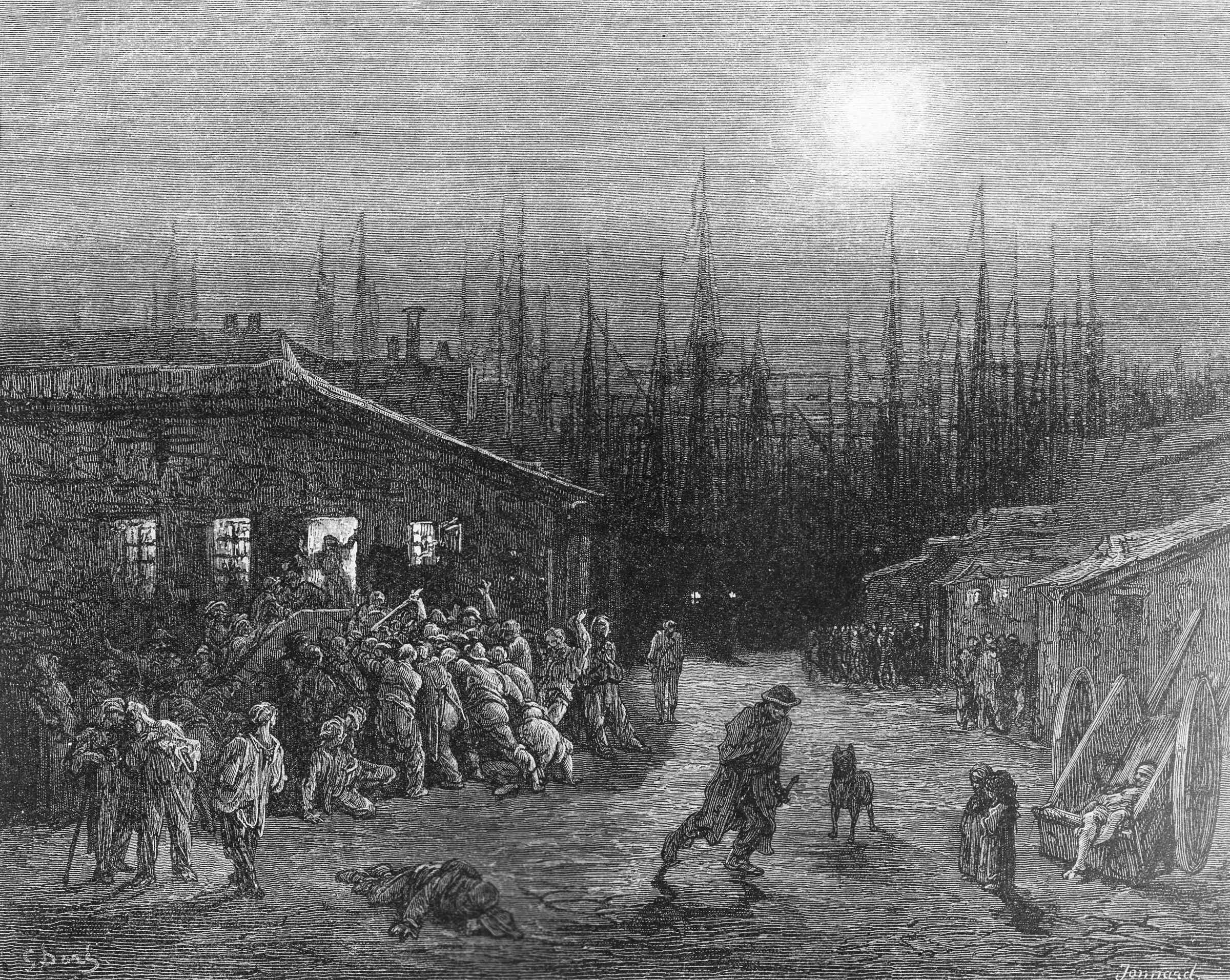
Haunt of the Resurrection Men
A forgotten graveyard, the dawn of modern medicine, and the hard life in 19th-century London
(Private Collection/The Bridgeman Art Library) -
Features May/June 2013
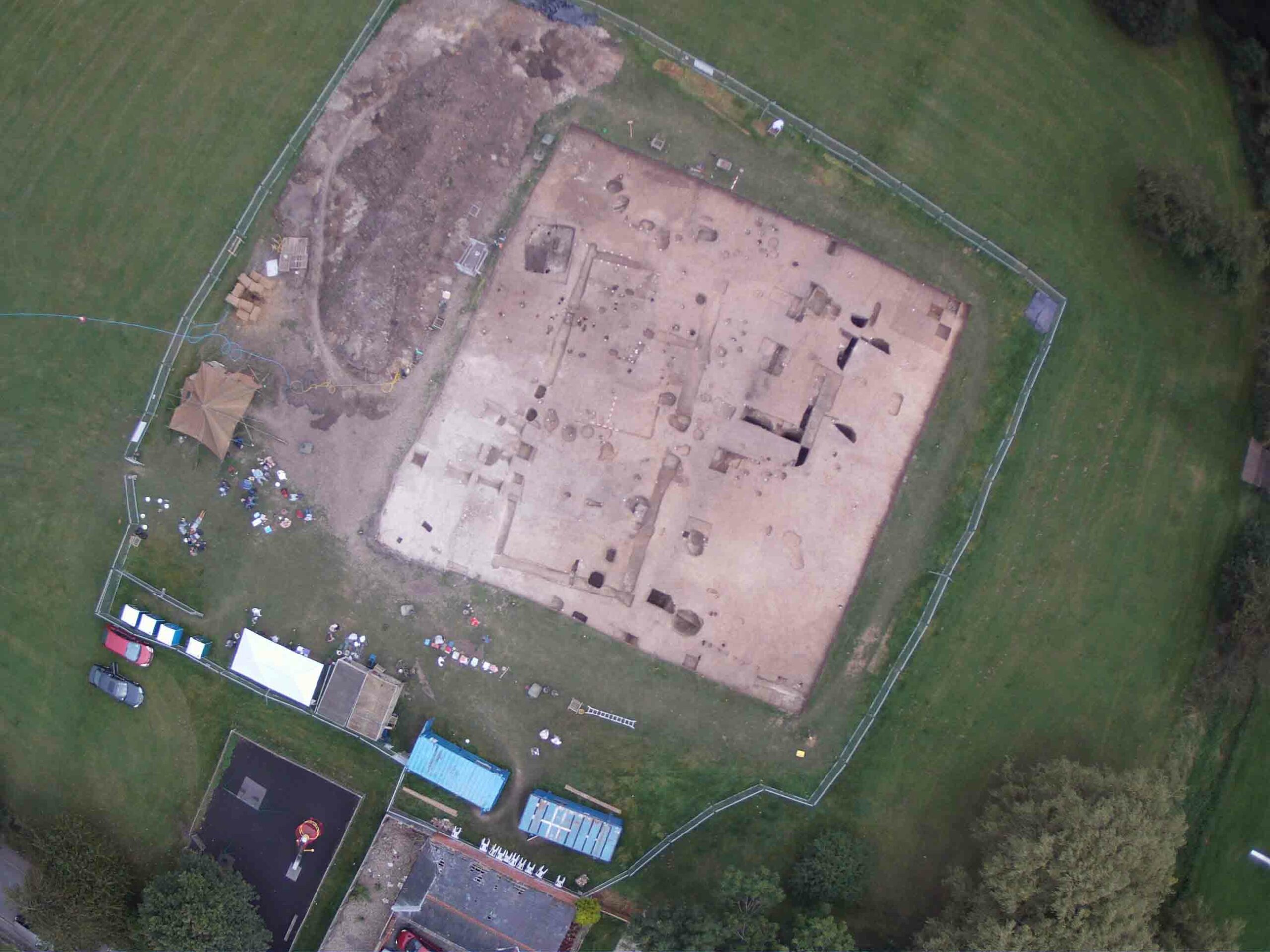
The Kings of Kent
The surprising discovery of an Anglo-Saxon feasting hall in the village of Lyminge is offering a new view of the lives of these pagan kings
(Photo by William Laing, © University of Reading) -
Letter from Turkey May/June 2013
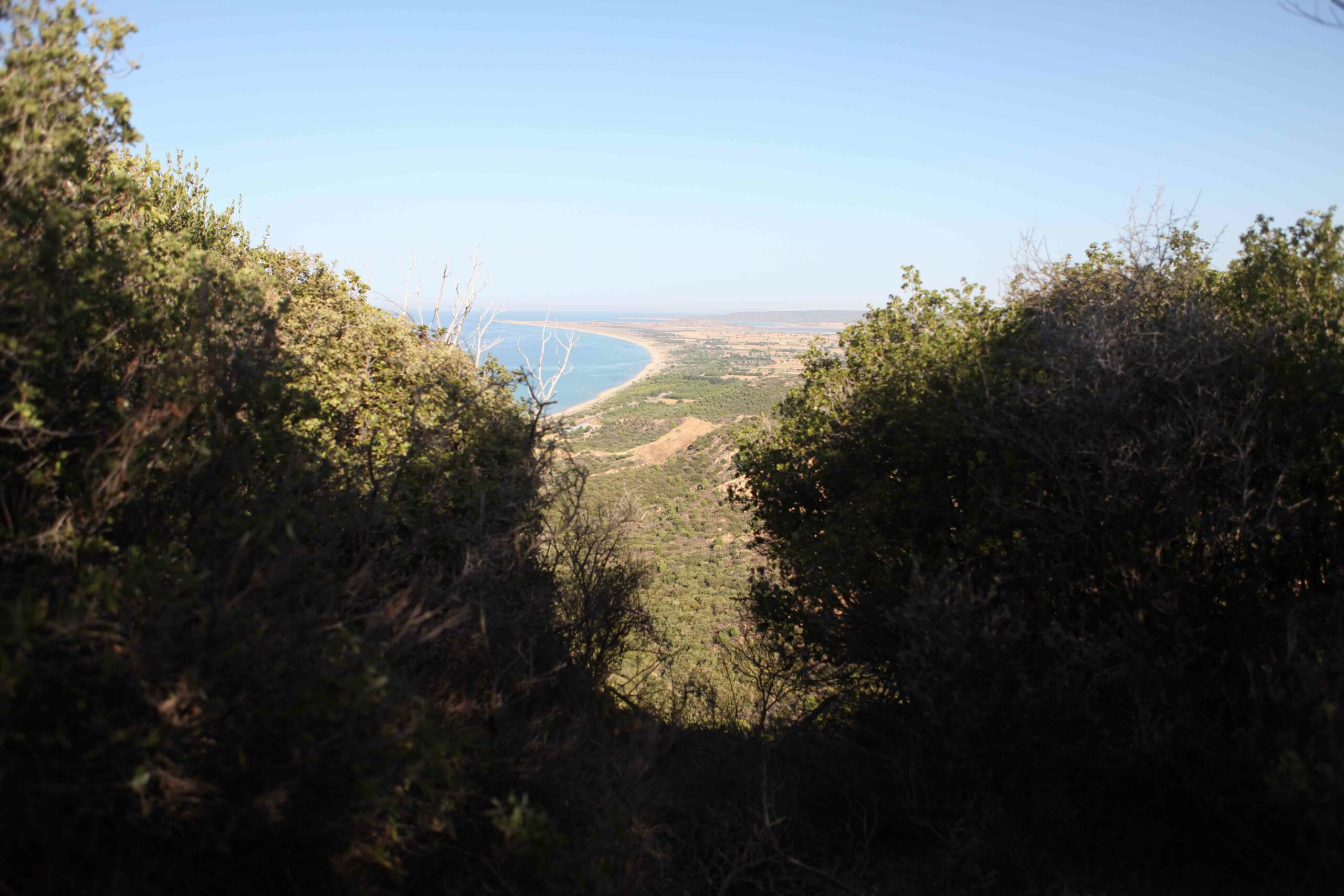
Anzac's Next Chapter
Archaeologists conduct the first-ever survey of the legendary WWI battlefield at Gallipoli
(Samir S. Patel) -
Artifacts May/June 2013
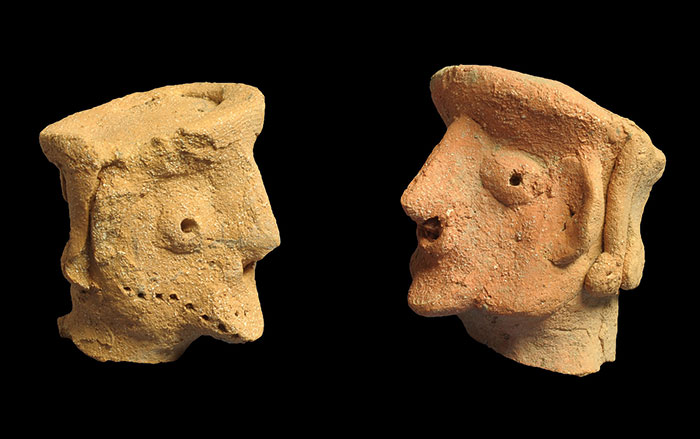
Ancient Near Eastern Figurines
Ceramic figurines were part of a cache of objects found at an Iron Age temple uncovered at the site of Tel Motza outside Jerusalem
(Clara Amit, courtesy of the Israel Antiquities Authority)