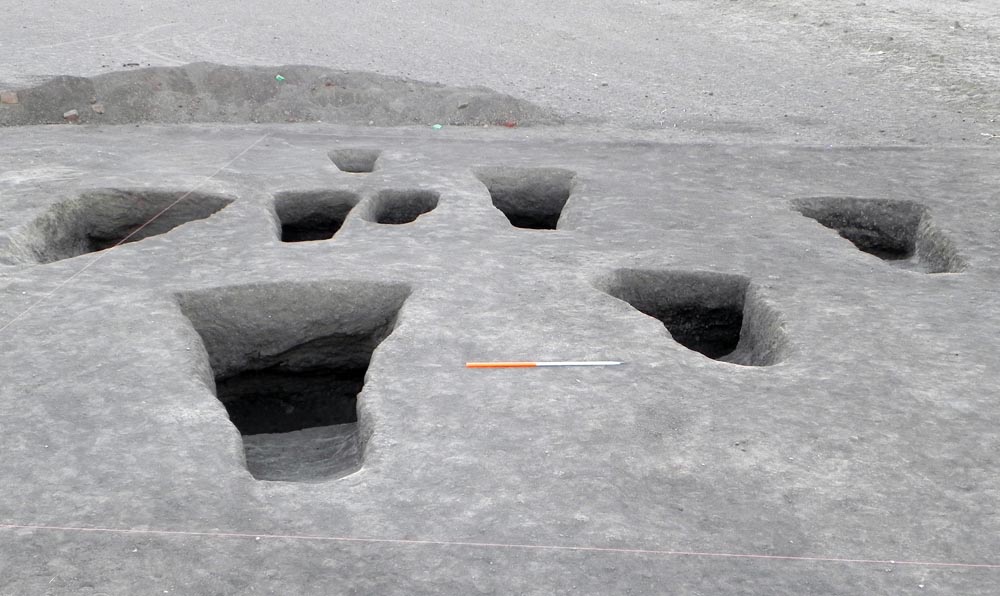
DANGEIL, SUDAN—A new book covering more than a decade of excavations by the Berber-Abidiya Archaeological Project shares the story of a stunning site and an extraordinary collection of exotic artifacts, reports Livescience. The site’s cemetery, which was first discovered in 2002, dates to about 2,000 years ago, a period when the Kushite Kingdom controlled a large amount of territory and exerted a great deal of power in the area. Although the Kushites often built pyramids to bury their dead, these graves are entirely underground and contain such impressive artifacts as a silver ring depicting the god Amun and a faience box decorated with prominent eyes—perhaps to protect against the evil eye—as well as several artifacts associated with archery buried with a man who had clearly been an archer in his life. The work of the project continues and the researchers hope to find the full extent of the cemetery in the future.
Kushite Cemetery in Sudan
News August 12, 2014
Recommended Articles
Features July/August 2026
Egypt's First Queen
How a trailblazing ruler pulled her realm back from the brink
Features July/August 2026
Secrets of the Serpent
Is a Native American origin story embedded in Ohio’s colossal earthwork?
Features July/August 2026
Slinging Insults
Greek and Roman soldiers fired pointed barbs at their enemies
Features July/August 2026
Inside Africa’s Houses of Stone
Archaeologists are rethinking how kings shared power beyond the great capitals of medieval Zimbabwe
-
Features July/August 2014
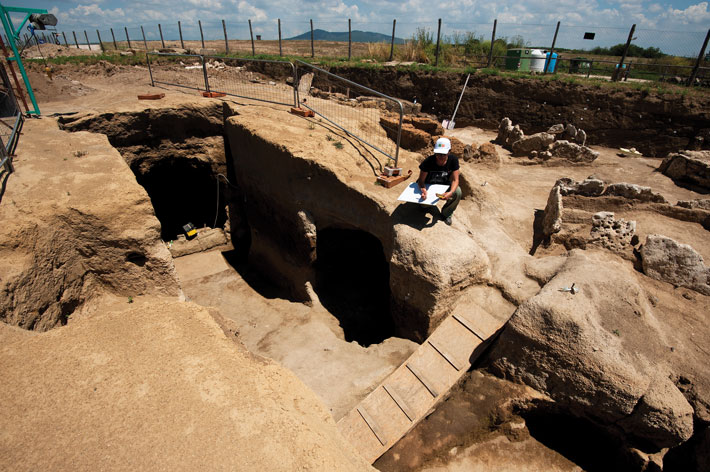
The Tomb of the Silver Hands
Long-buried evidence of an Etruscan noble family
(Marco Merola) -
Features July/August 2014
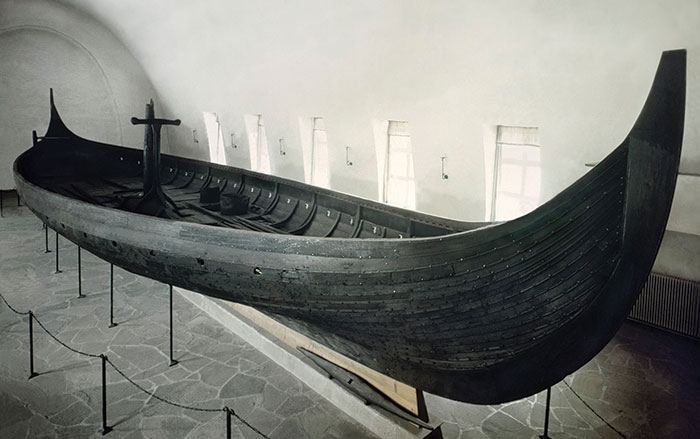
Revisiting the Gokstad
More than a century after Norway's Gokstad ship burial was first excavated, scientists are examining the remains of the VIking chieftain buried inside and learning the truth about how he lived and died
(Courtesy Museum of Cultural History, University of Oslo, Norway) -
Letter From Scotland July/August 2014
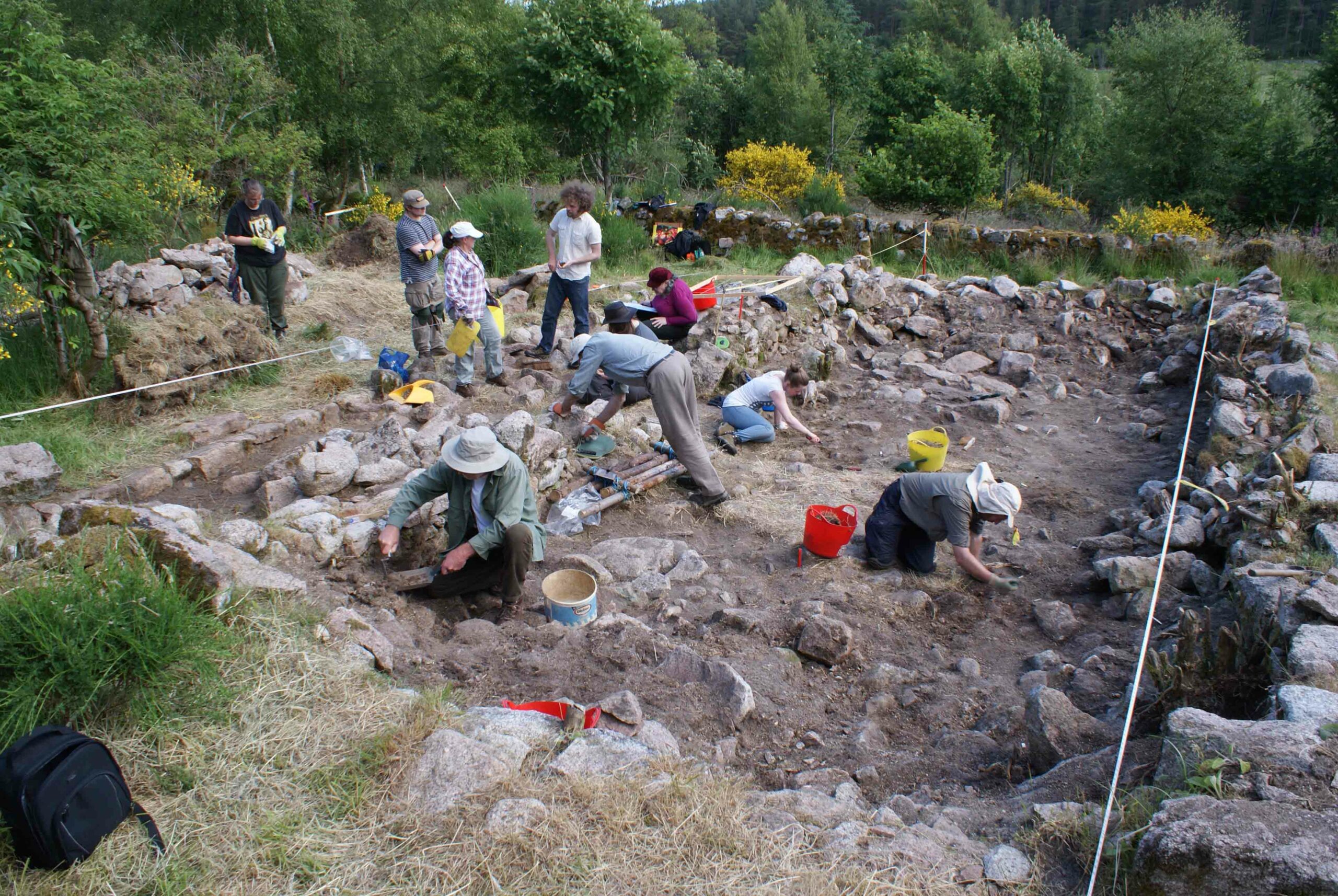
Living on the Edge
Were the residents of a Scottish hillside immoral squatters or hard-working farmers?
(Jeff Oliver, University of Aberdeen) -
Artifacts July/August 2014
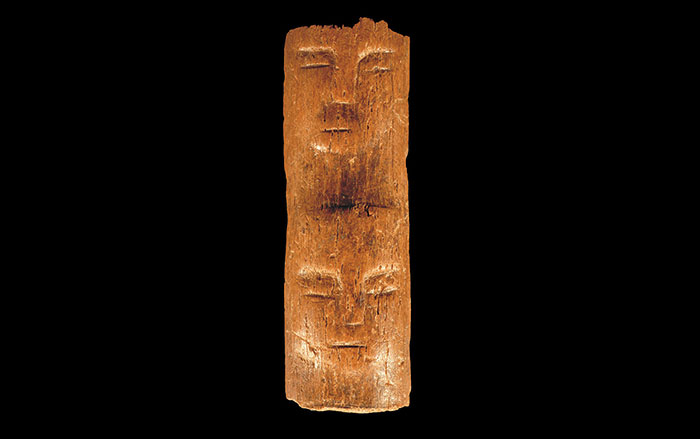
Neolithic Wand
(Courtesy L.C. Tiera)