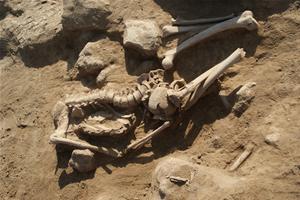
WARSAW, POLAND—Krzysztof Jakubiak of the University of Warsaw and Armenian archaeologist Ashot Philiposjan unearthed evidence of the destruction and capture of the ancient city of Metsamor in Armenia in the eighth century B.C. “In the entire area of research we found layers of burning and ash. The city was probably captured by the army of Argishti I, the ruler of Urartu,” he told Science & Scholarship in Poland. A woman’s skeleton missing its head, and another set of remains with an injured skull, are thought to represent victims of the attack. Their bodies had not been buried, but were found among the town’s buildings. Smashed pottery was also found on stone platforms in one of the city’s seven shrines. To read an in-depth report on the ancient city in Kurdistan, see "Erbil Revealed."
Wartime Violence Uncovered at Armenia’s Metsamor
News December 10, 2014
Recommended Articles
Digs & Discoveries January/February 2014
Point-and-Shoot Obsidian Analysis
Features July/August 2026
Egypt's First Queen
How a trailblazing ruler pulled her realm back from the brink
Features July/August 2026
Secrets of the Serpent
Is a Native American origin story embedded in Ohio’s colossal earthwork?
Features July/August 2026
Slinging Insults
Greek and Roman soldiers fired pointed barbs at their enemies
-
Features November/December 2014
The Neolithic Toolkit
How experimental ARCHAEOLOGY is showing that Europe's first farmers were also its first carpenters
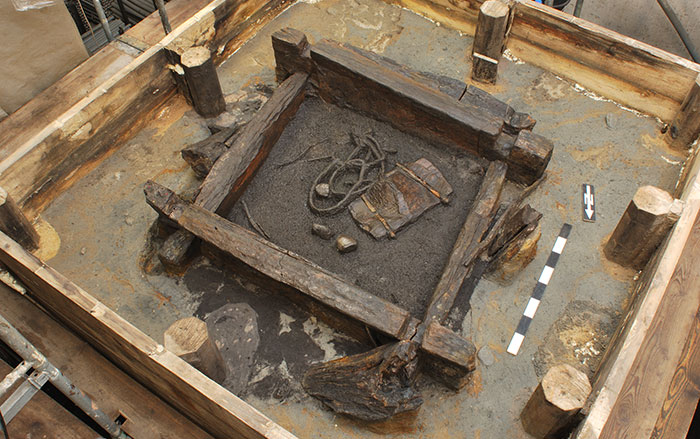
(Courtesy Rengert Elburg, Landesamt für Archäologie Sachsen) -
Features November/December 2014
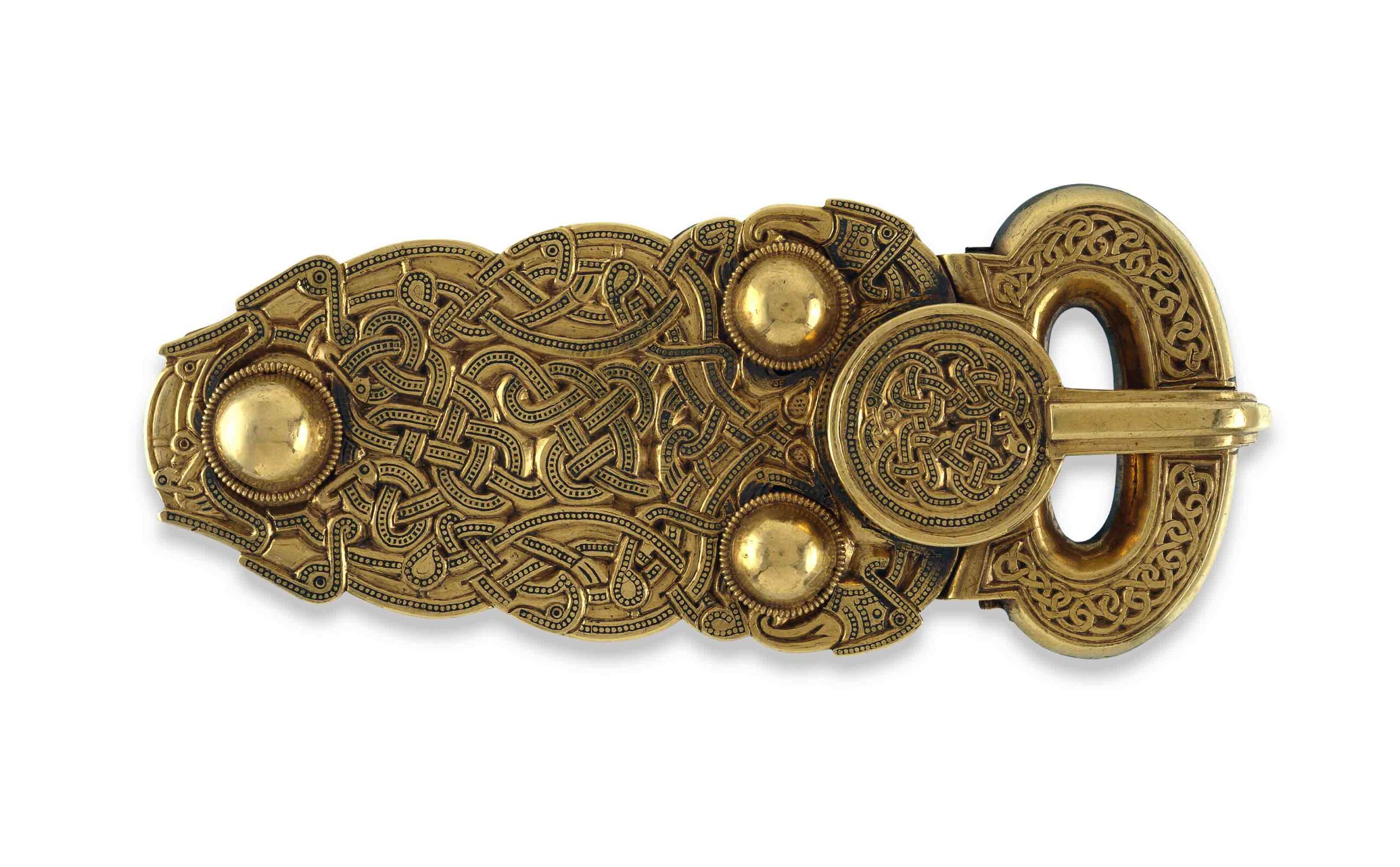
The Ongoing Saga of Sutton Hoo
A region long known as a burial place for Anglo-Saxon kings is now yielding a new look at the world they lived in
(© The Trustees of the British Museum/Art Resource) -
Letter From Montana November/December 2014
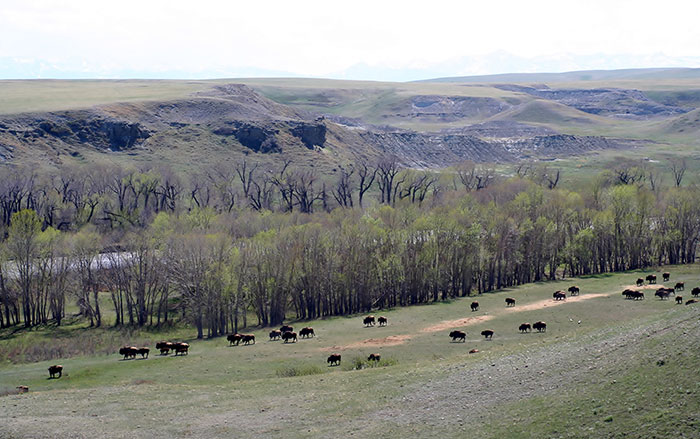
The Buffalo Chasers
Vast expanses of grassland near the Rocky Mountains bear evidence of an extraordinary ancient buffalo hunting culture
(Maria Nieves Zedeño) -
Artifacts November/December 2014
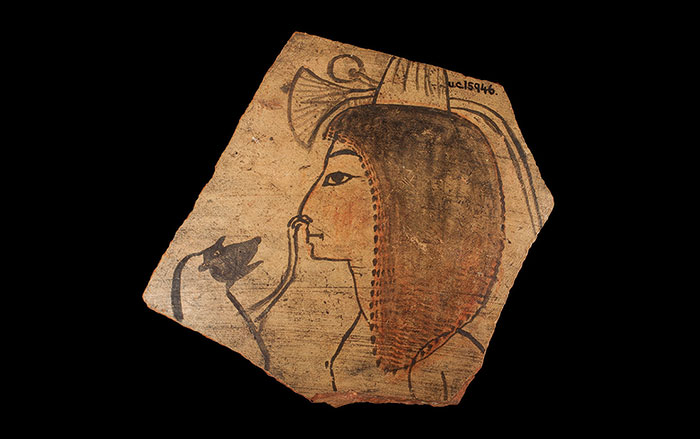
Ancient Egyptian Ostracon
(Petrie Museum of Egyptian Archaeology, UCL, UC15946)