TULUM, MEXICO—Telesur reports that researchers from Mexico’s National Institute of Anthropology and History have discovered a route through underwater limestone caves connecting the Sac Actun cenote and the Dos Ojos cenote. Maya pottery, human bones, and the bones of elephant-like creatures, giant sloths, bears, tigers, and extinct species of horses have been found in the tunnel-like caves, which range in width from 400 feet to just three feet. “This immense cave represents the most important submerged archaeological site in the world,” said Guillermo de Anda, director of the study. It is not yet clear how the Maya artifacts came to rest in the caves. To read about another recent discovery in Mexico's cenotes, go to “Where There’s Coal….”
Explorers Find Underwater Route Connecting Maya Cenotes
News January 17, 2018
Recommended Articles
Features July/August 2026
Egypt's First Queen
How a trailblazing ruler pulled her realm back from the brink
Features July/August 2026
Secrets of the Serpent
Is a Native American origin story embedded in Ohio’s colossal earthwork?
Features July/August 2026
Slinging Insults
Greek and Roman soldiers fired pointed barbs at their enemies
Features July/August 2026
Inside Africa’s Houses of Stone
Archaeologists are rethinking how kings shared power beyond the great capitals of medieval Zimbabwe
-
Features November/December 2017
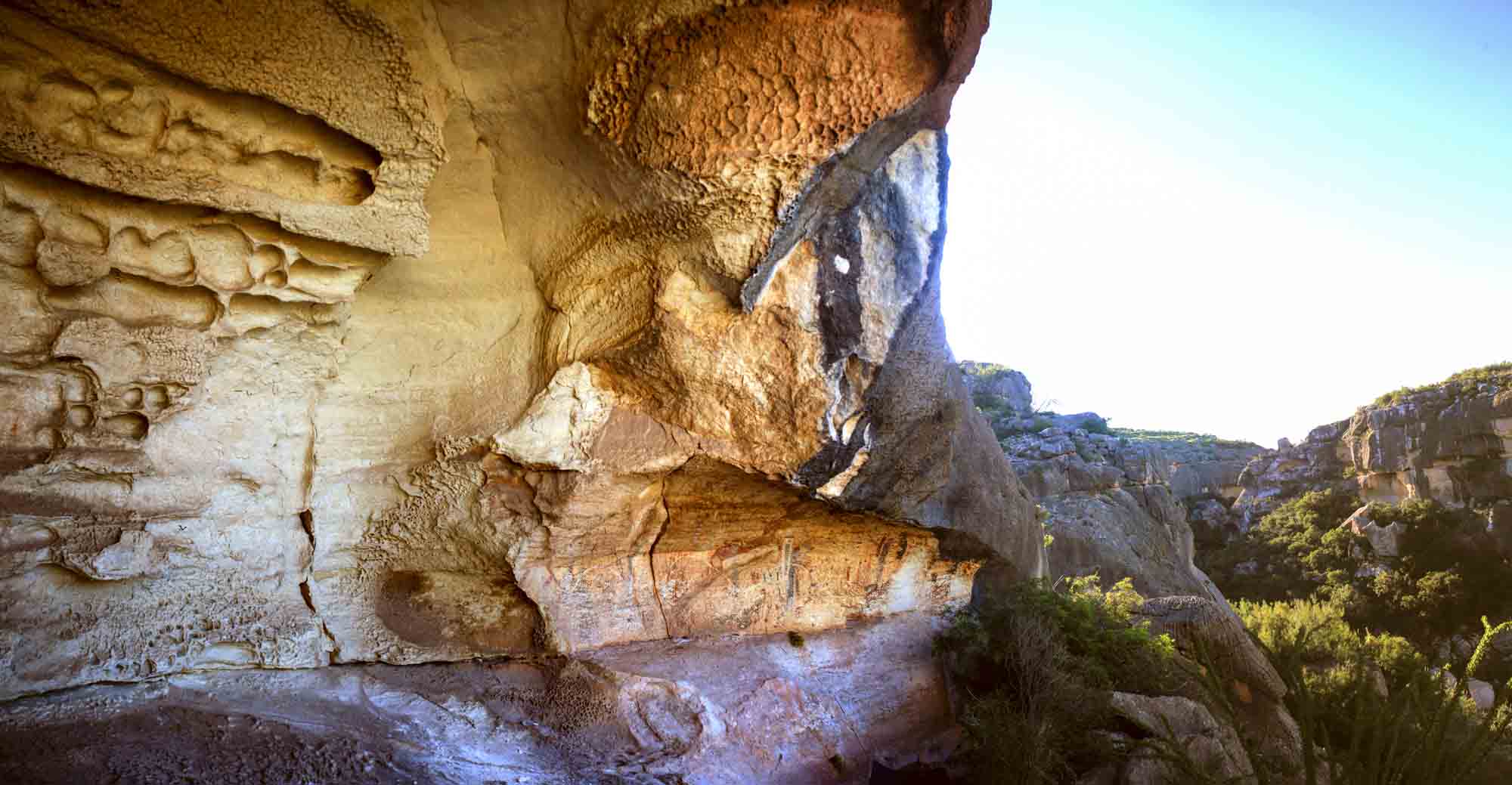
Reading the White Shaman Mural
Paintings in a Texas canyon may depict mythic narratives that have endured for millennia
(Chester Leeds, Courtesy Shumla) -
Letter From Singapore November/December 2017
The Lion City's Glorious Past
The founding mythology of this city-state was once thought to be pure fiction—ARCHAEOLOGY says otherwise
(Courtesy John Miksic) -
Artifacts November/December 2017
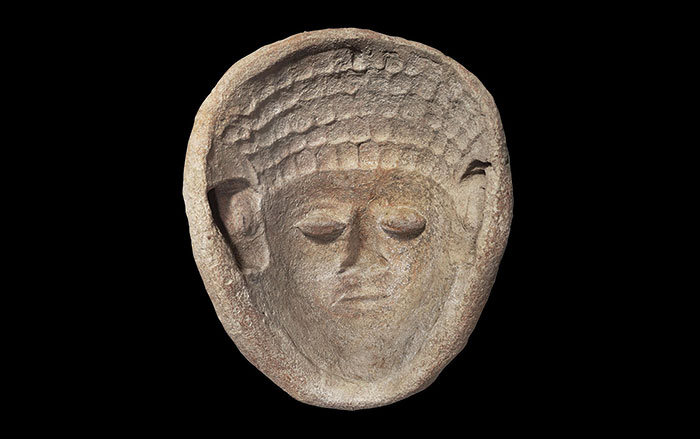
Phoenician Mask Mold
(Courtesy Michael Jasmin) -
Digs & Discoveries November/December 2017
The Hidden Stories of the York Gospel
(© Chapter of York)