

ODISHA, INDIA—Archaeologists led by Dibishada B. Garnayak of the Archaeological Survey of India have uncovered brick structures and artifacts as much as 2,300 years old at the site of Asurgarh Fort, which is located in eastern India, according to a report in The Hindu. The four-sided fort was protected by a moat on its northern, eastern, and southern sides, and by the Sandul River to the west. Gates, each guarded by a deity, were placed in each of the four cardinal directions. Circular structures within the fort were formed with wedge-shaped bricks and terracotta tiles. “The Asurgarh people during that time probably used stone rubbles and tile fragments for flooring their houses and the streets,” Garnayak said. “Besides, silver punch-marked coins, silver and copper toe ring[s] and earrings, [and] and beads of carnelian, jasper, beryl, garnet, agate, and coral have been found.” The coral beads and silver coins suggest the people living at the fort traded with seafaring people, Garnayak added. Glass bangle pieces, sling balls, a pestle, and iron artifacts, including a small wheel, a ring, and an arrowhead, were also recovered. To read about another recent discovery in India, go to “Double Vision.”
Brick Structures and Artifacts Discovered at India’s Asurgarh Fort
News January 21, 2019
Recommended Articles
Features July/August 2026
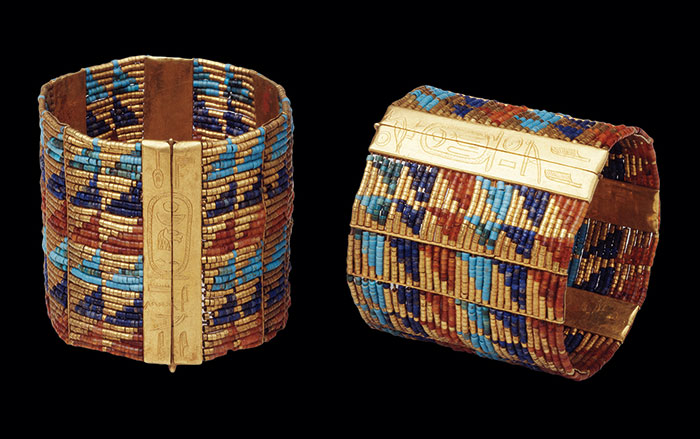
Egypt's First Queen
How a trailblazing ruler pulled her realm back from the brink
Features July/August 2026
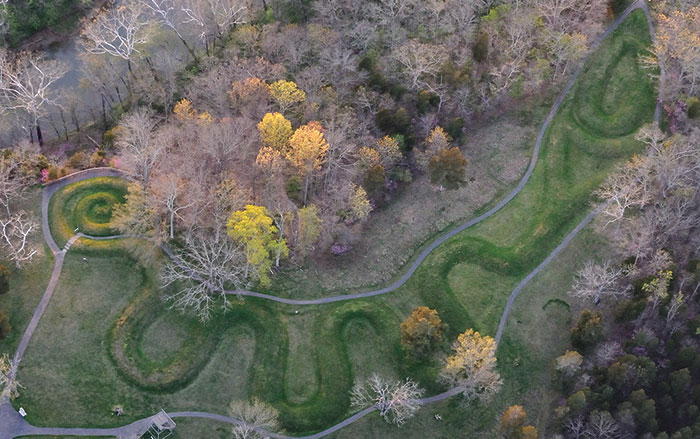
Secrets of the Serpent
Is a Native American origin story embedded in Ohio’s colossal earthwork?
Features July/August 2026
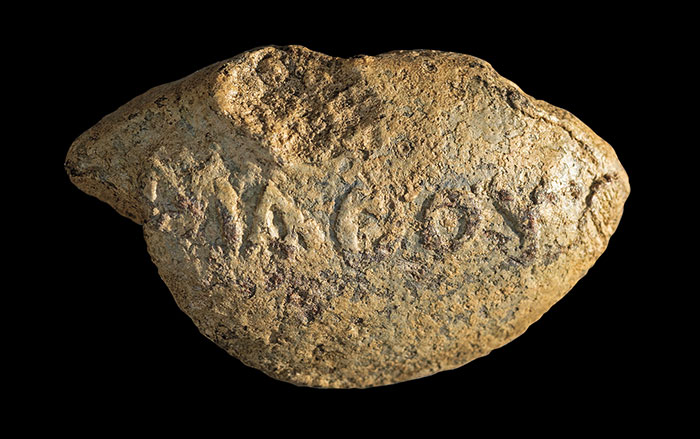
Slinging Insults
Greek and Roman soldiers fired pointed barbs at their enemies
Features July/August 2026
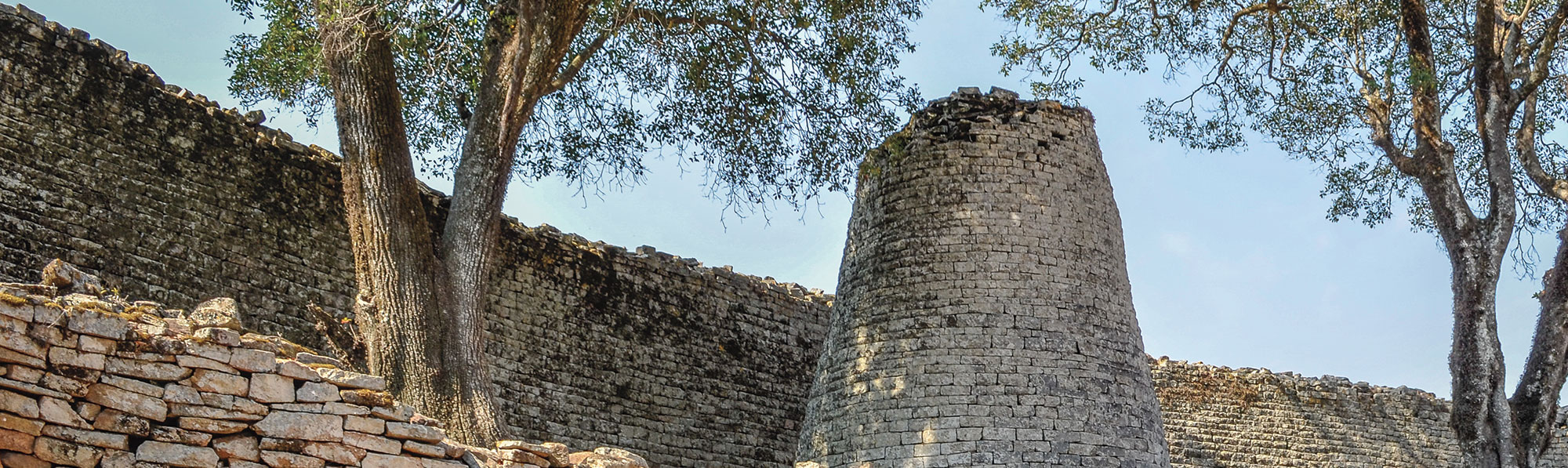
Inside Africa’s Houses of Stone
Archaeologists are rethinking how kings shared power beyond the great capitals of medieval Zimbabwe
More to Discover
Features November/December 2018
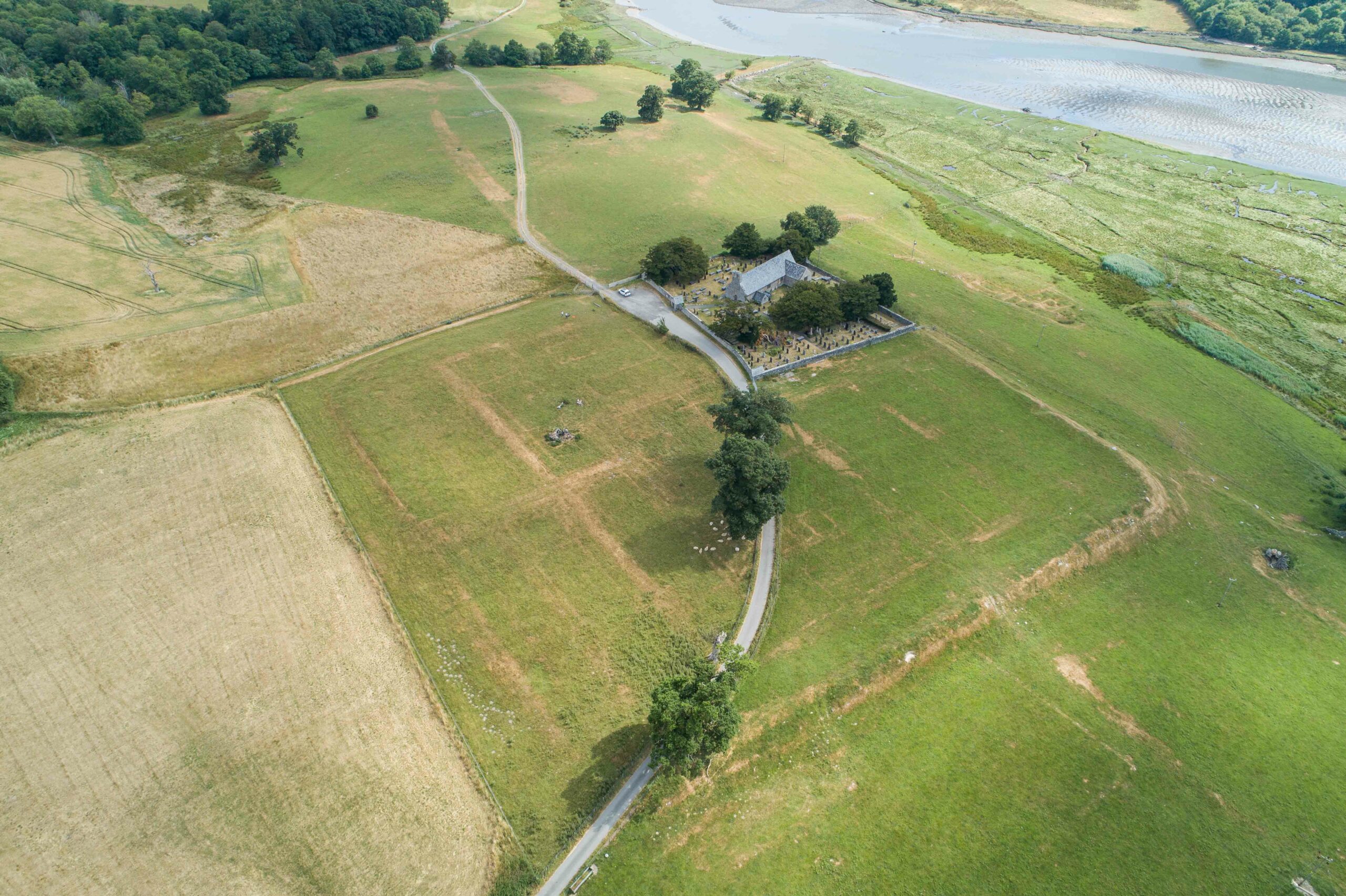
The Marks of Time
A six-week heat wave in the U.K. and Ireland exposes nearly 5,000 years of history
-
Features November/December 2018
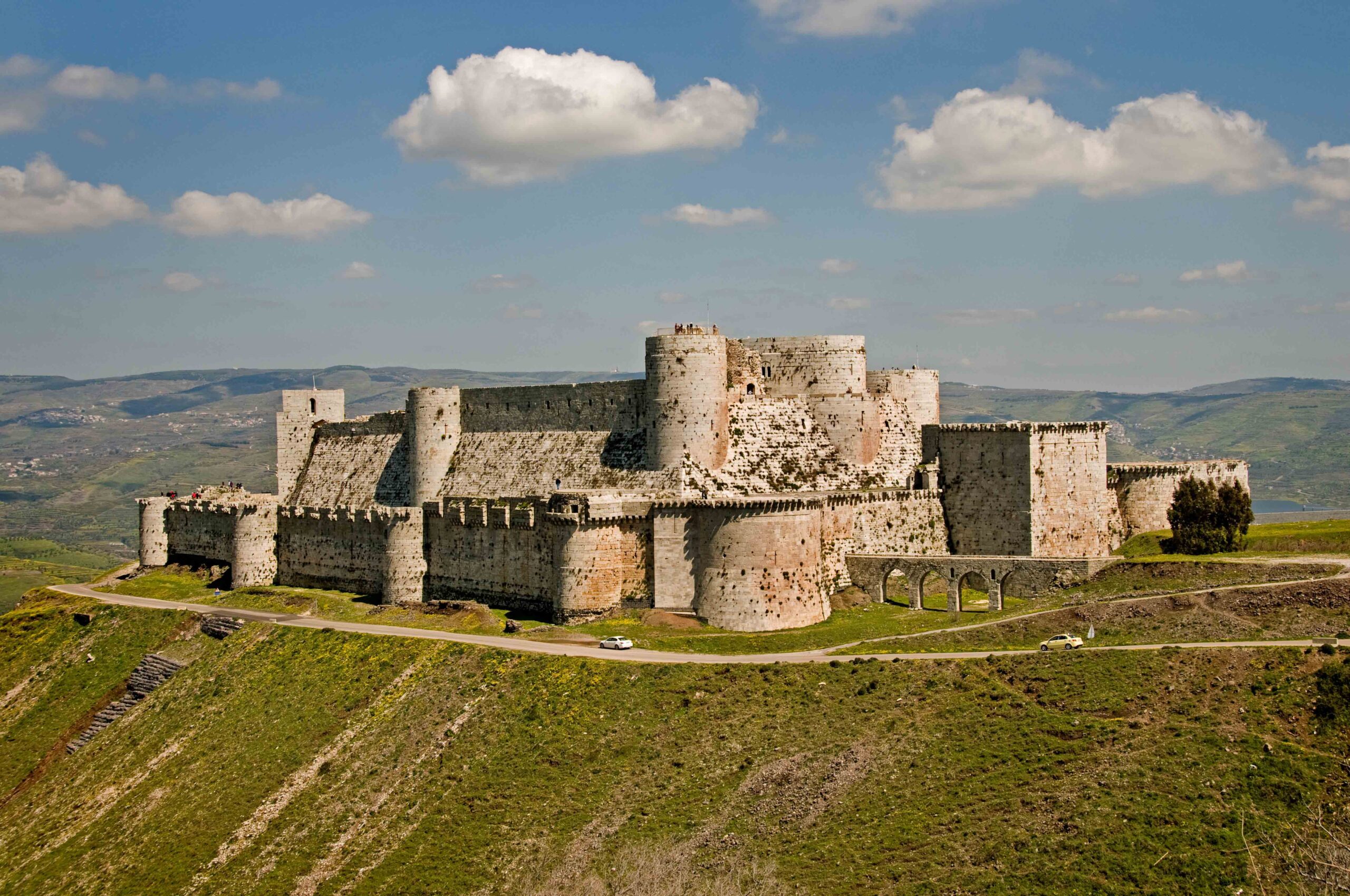
Reimagining the Crusades
A detailed picture of more than two centuries of European Christian life in the Holy Land is emerging from new excavations at monasteries, towns, cemeteries, and some of the world’s most enduring castles
 (Peter Horree/Alamy Stock Photo)
 -
Letter from California November/December 2018
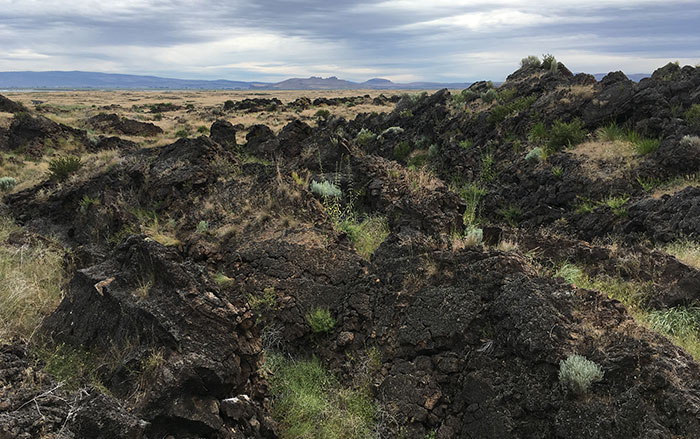
Inside a Native Stronghold
A rugged volcanic landscape was once the site of a dramatic standoff between the Modoc tribe and the U.S. Army
 (Julian Smith)
 -
Artifacts November/December 2018
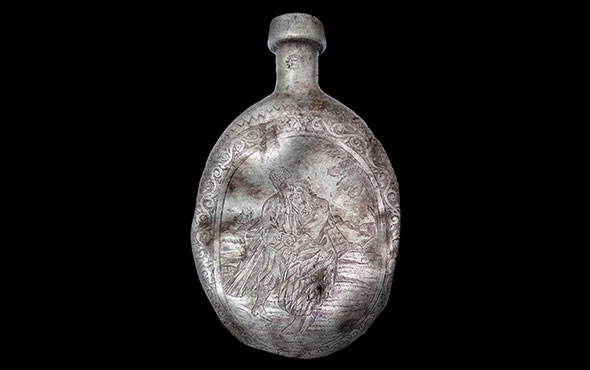
Russian Canteen
 (Courtesy Copyright David Kobialka/Antiquity)
 -
Digs & Discoveries November/December 2018
The American Canine Family Tree
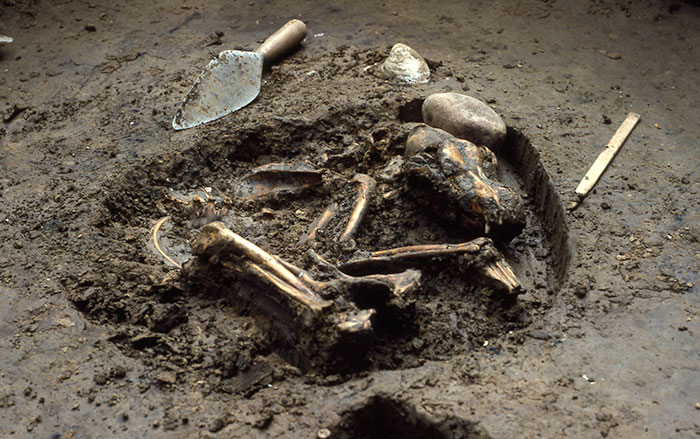 (Photo by Del Baston/Courtesy of the Center for American Archeology)