

JOHANNESBURG, SOUTH AFRICA—Paleoanthropologist Lee Berger of Wits University and his colleagues suggest that Homo naledi intentionally buried their dead, according to a Science News report. Homo naledi, whose remains were discovered in South Africa’s Rising Star Cave System, lived in southern Africa between about 335,000 and 236,000 years ago. Among the remains recovered from the cave system are bones thought to have belonged to an adult H. naledi found in a shallow pit in the cave system’s Dinaledi Chamber. Berger thinks these bones may have become detached as the cave’s dry sediments collapsed, or perhaps as other burials were dug in the chamber, since bone fragments from at least one other individual have been found in the pit. Bones found in another shallow pit in this chamber have not yet been analyzed. CT scans of three blocks of sediment removed from an adjacent space known as the Hill Antechamber showed that they also contain H. naledi remains. One set, found curled in a fetal position, may have also been buried in a shallow depression. Scattered teeth detected in this block of sediments are thought to have been introduced during the burials of other individuals, the researchers explained. A crescent-shaped stone may have been used by H. naledi as an implement to chisel lines and designs on the walls of a corridor and entry into this chamber, Berger added, although the engravings have not been dated. Critics, however, note that the remains may have accumulated in cave shafts and then fell into the chambers, or may have been left at the back of chambers. In this scenario, trampling by other individuals could have produced the fragments, while water seepage into the cave system could have carried H. naledi remains along the sloping cave floors until the bones came to rest in natural depressions in the sediments. For more, go to "Cradle of the Graves."
When Did Hominins Begin to Bury Their Dead?
News June 5, 2023
Recommended Articles
Features November/December 2026
Stone Age Stargazers
Did artists 12,000 years ago illuminate a cave in Tajikistan with their vision of the Milky Way?

Digs & Discoveries November/December 2026
Knowing the Ropes
Features September/October 2026
Cultivating Fields of Stone
Peru’s ancient farmers used intricate rock maps to plan for the future
Digs & Discoveries September/October 2026
Foot Notes
Why did ancient Scandinavians make footprint-shaped rock carvings that didn’t match?
More to Discover
Features May/June 2023
Peru's Great Urban Experiment
A millennium ago, the Chimú built a new way of life in the vast city of Chan Chan
-
Features May/June 2023
The Man in the Middle
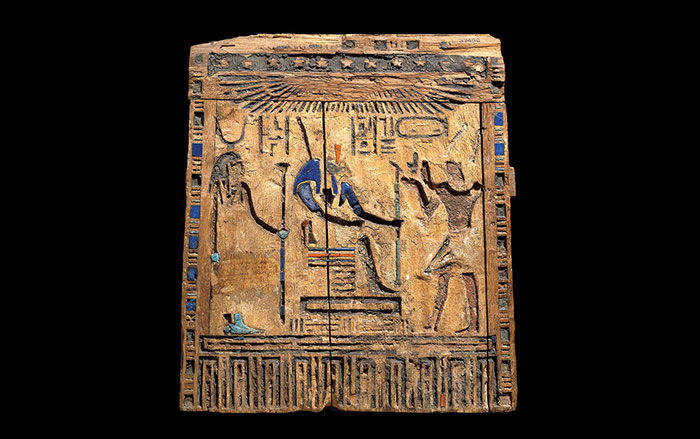
How an ingenious royal official transformed Persian conquerors into proper Egyptian pharaohs
 (© The Trustees of the British Museum)
-
Letter from the American Southeast May/June 2023
Spartans of the Lower Mississippi
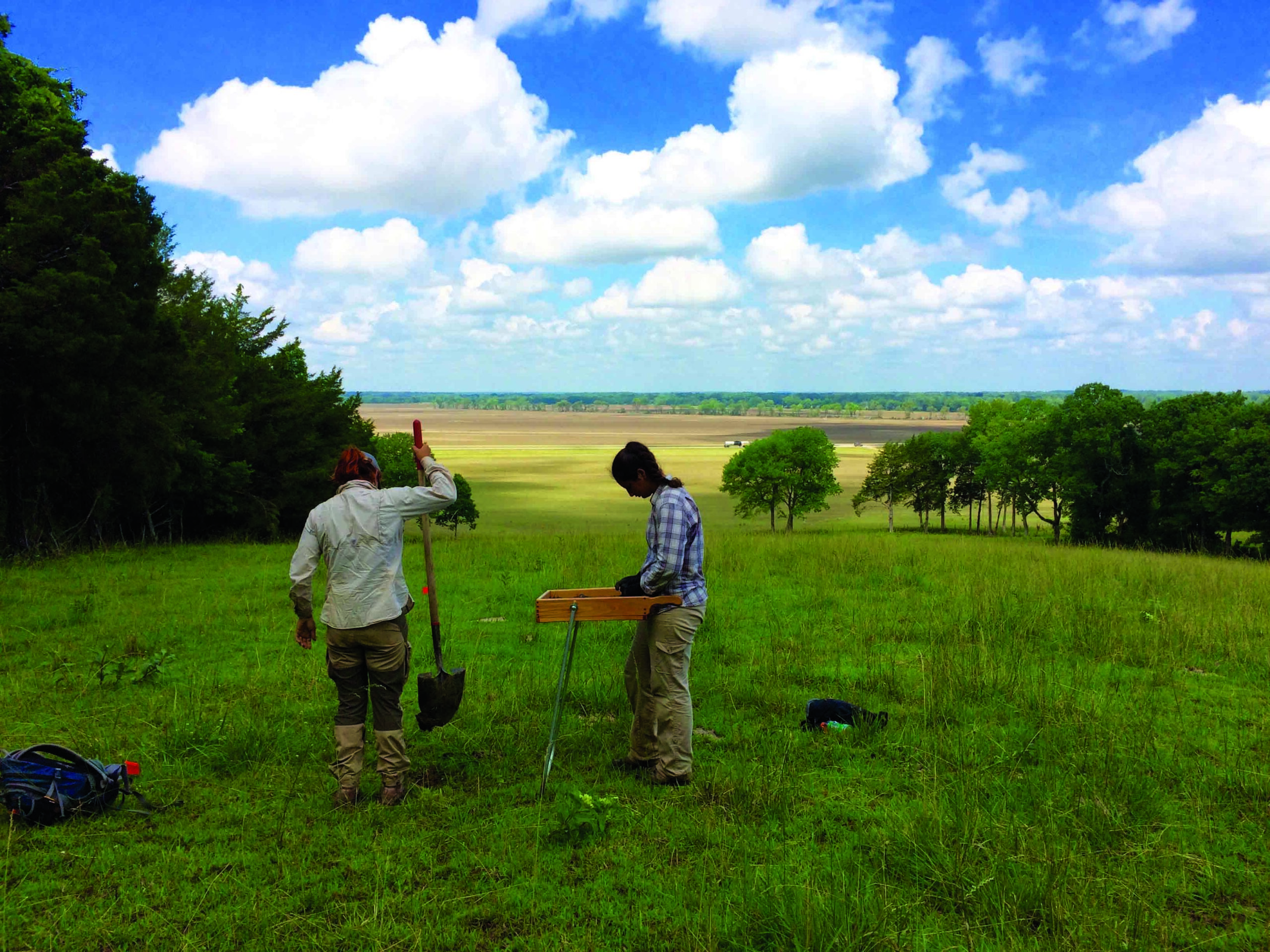
Unearthing evidence of defiance and resilience in the homeland of the Chickasaw
 (Kimberly Wescott and Brad Lieb, Chickasaw Native Explorers Program 2015)
-
Artifacts May/June 2023
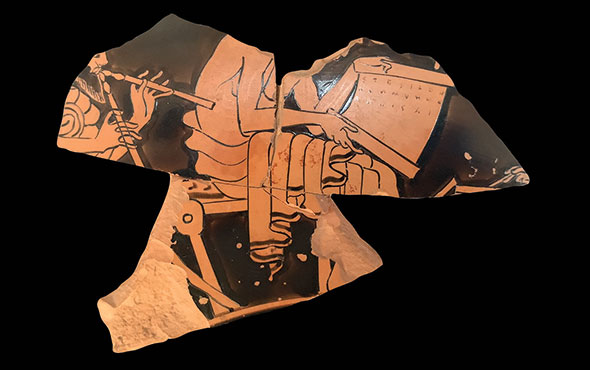
Greek Kylix Fragments
 (Ashmolean Museum, University of Oxford)
-
Digs & Discoveries May/June 2023
The Beauty of Bugs
 (Michael Terlep)