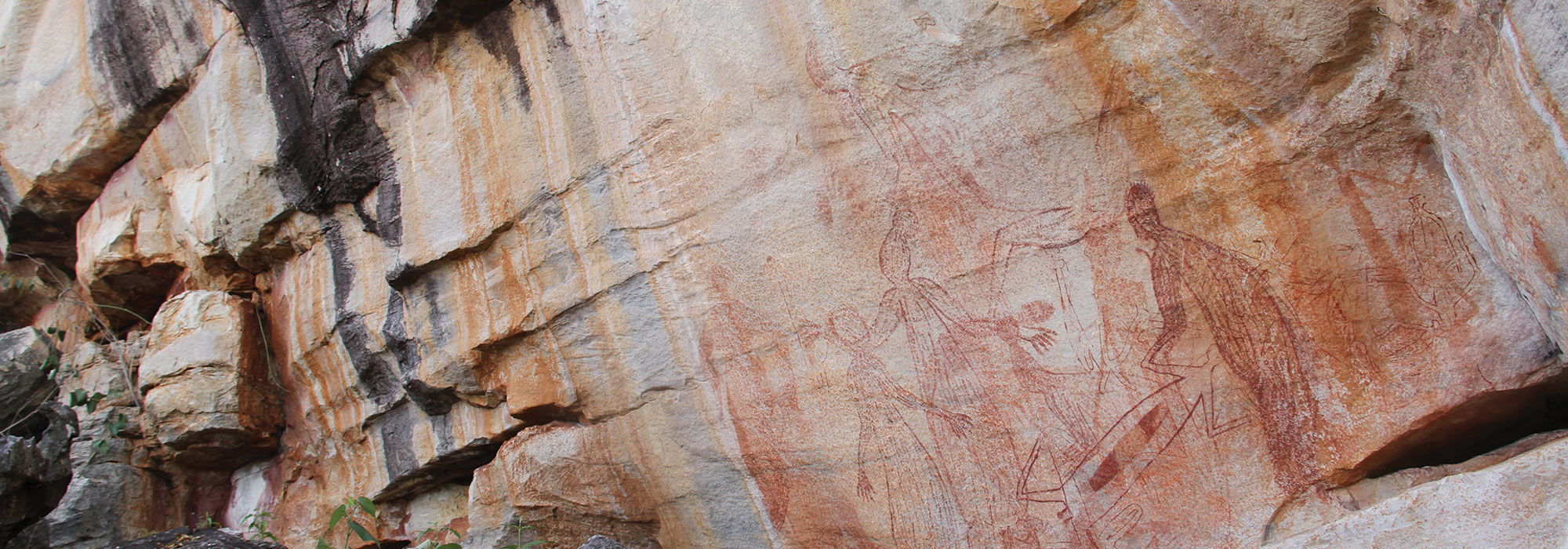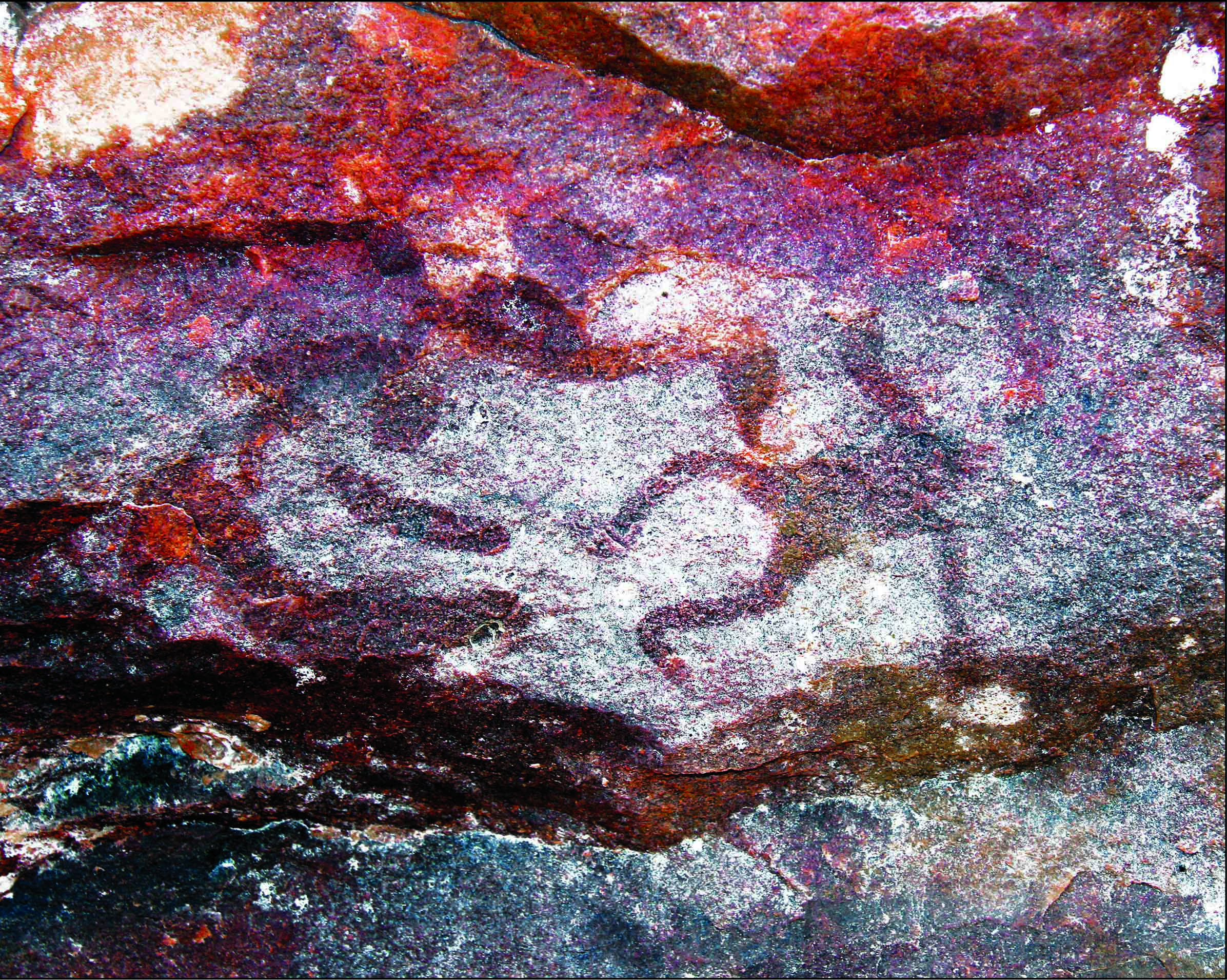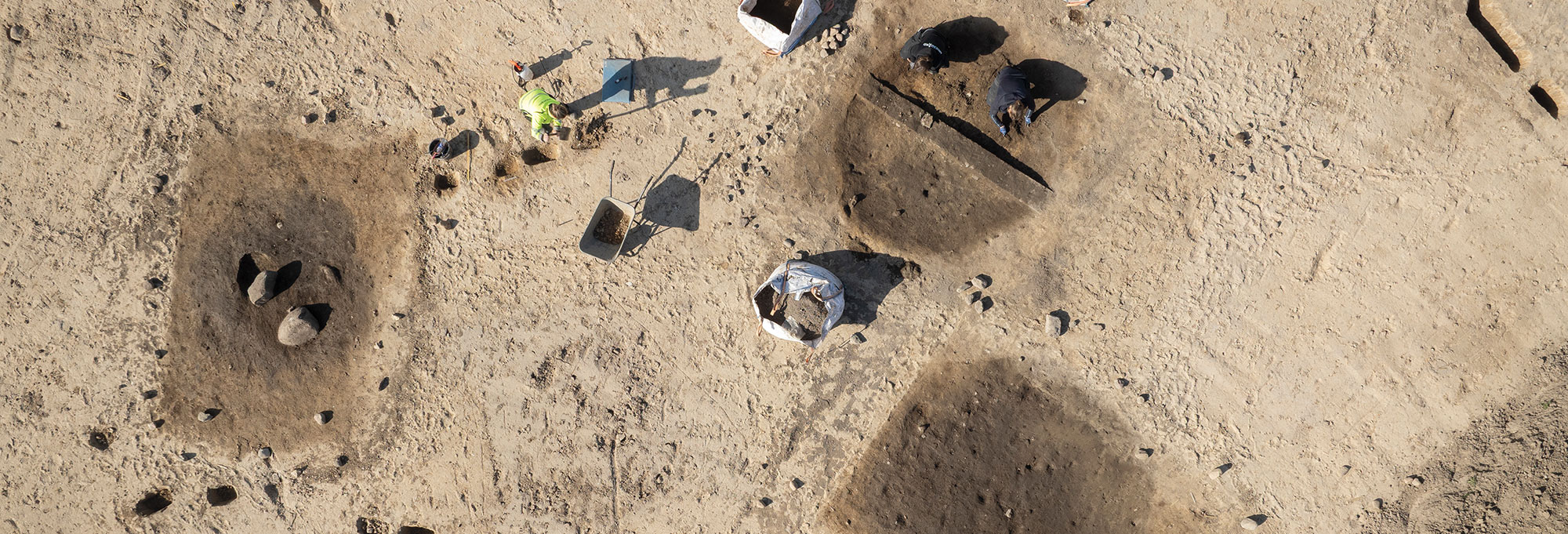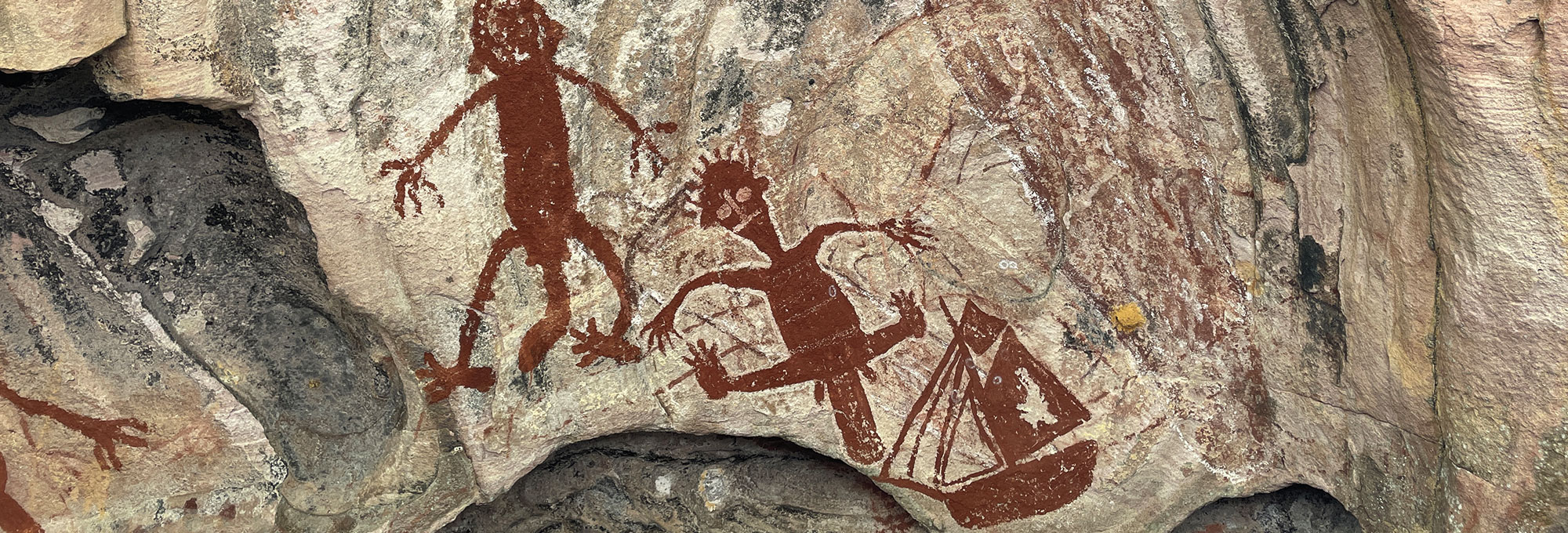
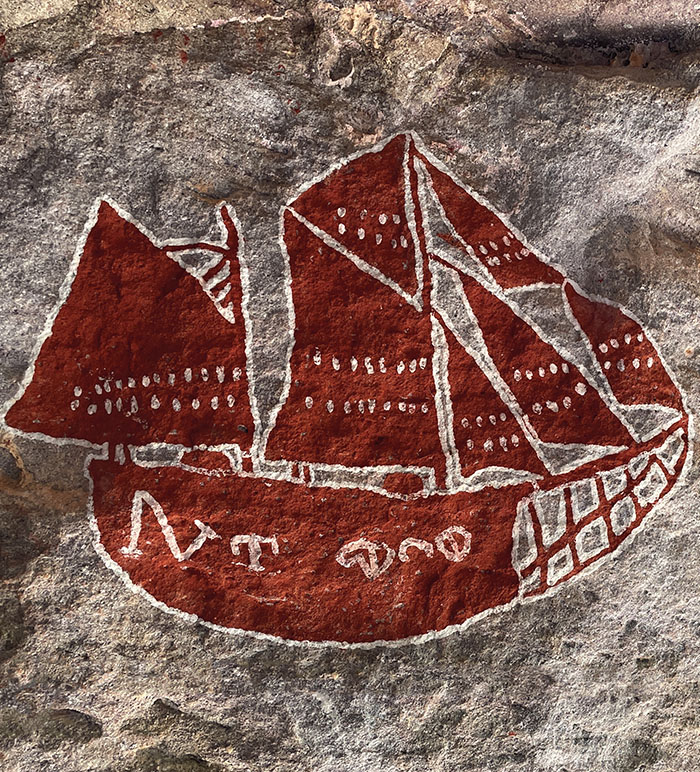
A team led by archaeologist Lynley Wallis of Griffith University has surveyed Aboriginal rock art on the Cape York Peninsula of Australia’s northeastern coast and recorded 23 depictions of European watercraft. “Given the massive upheaval that the arrival of the British wrought in Australia, the tendency has often been to assume that Indigenous artists painting boats were doing so in relation to first contact,” Wallis says. However, she and her team found that all the ships depicted on the Cape York Peninsula contain enough detail to date them to the late nineteenth or early twentieth century, some 100 years after the first British ships arrived in Australia. By that point, sailing vessels had become commonplace in the region and were often operated by Indigenous crews.
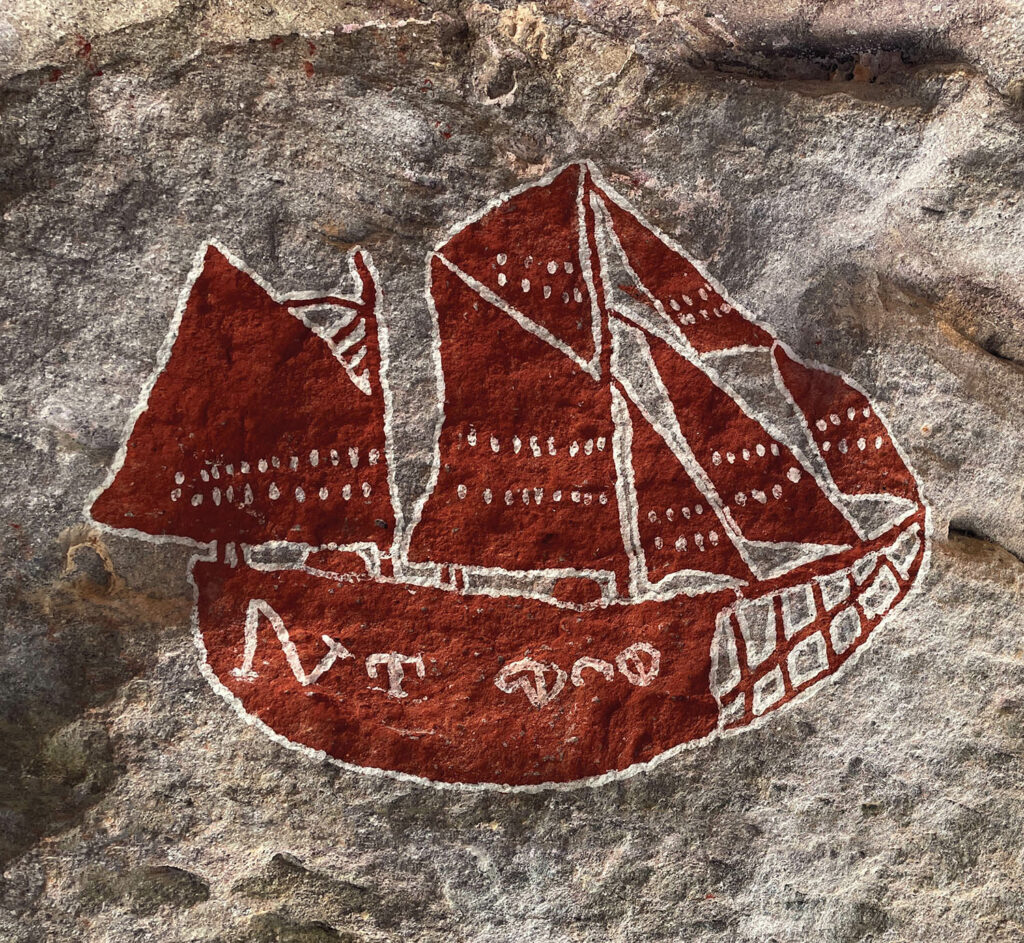
The sails in some of the images have very realistic shapes, and steam vessels shown in the pictographs include rivets and funnels that betray the painters’ close familiarity with their nautical subjects. “We think the artists who painted the boats must have had knowledge of them gained by having been aboard the vessels,” says Wallis. Rather than showing the arrival of strange and foreboding ships, these artists were painting what they knew, leaving a record of their own maritime experiences aboard the range of vessels that plied the coast of Australia.