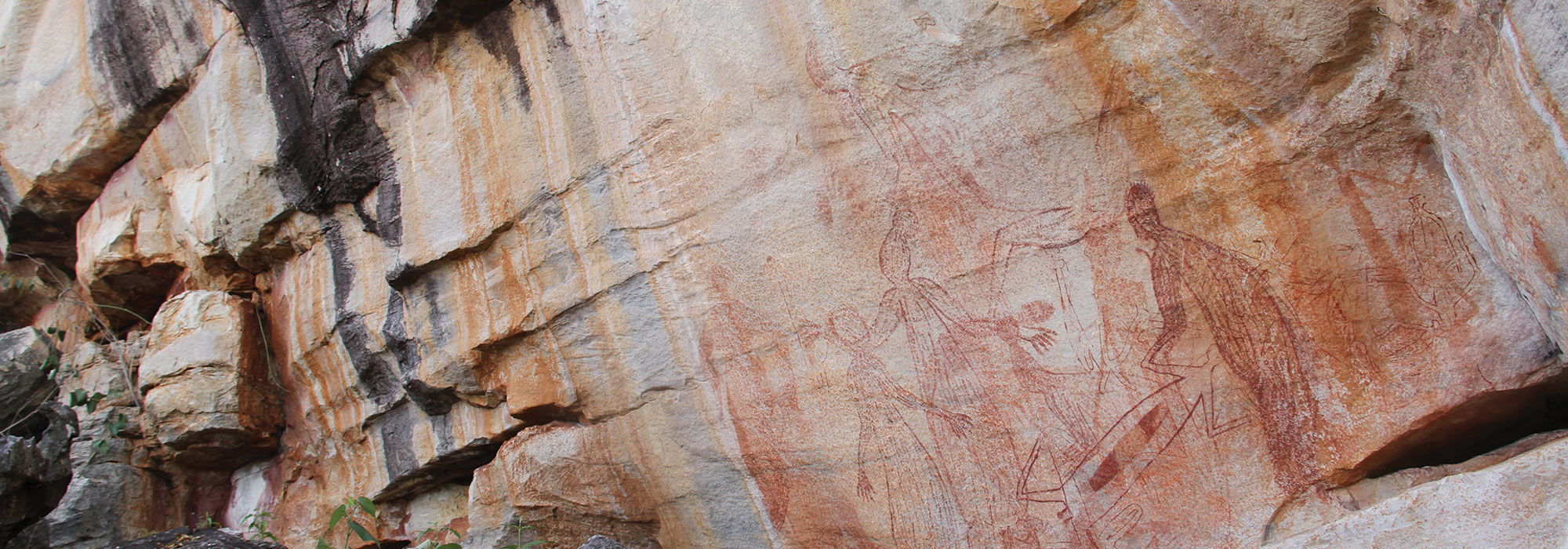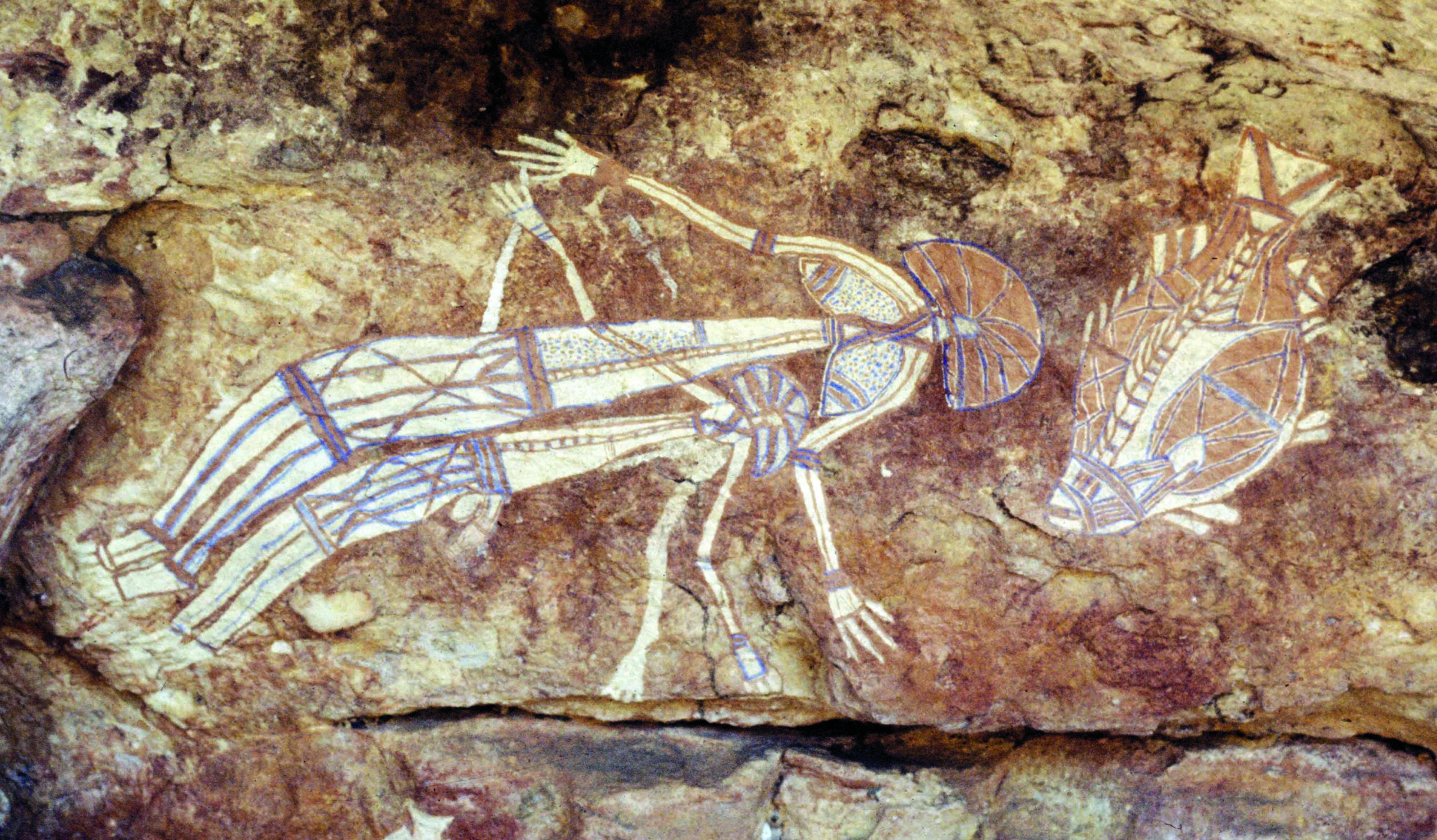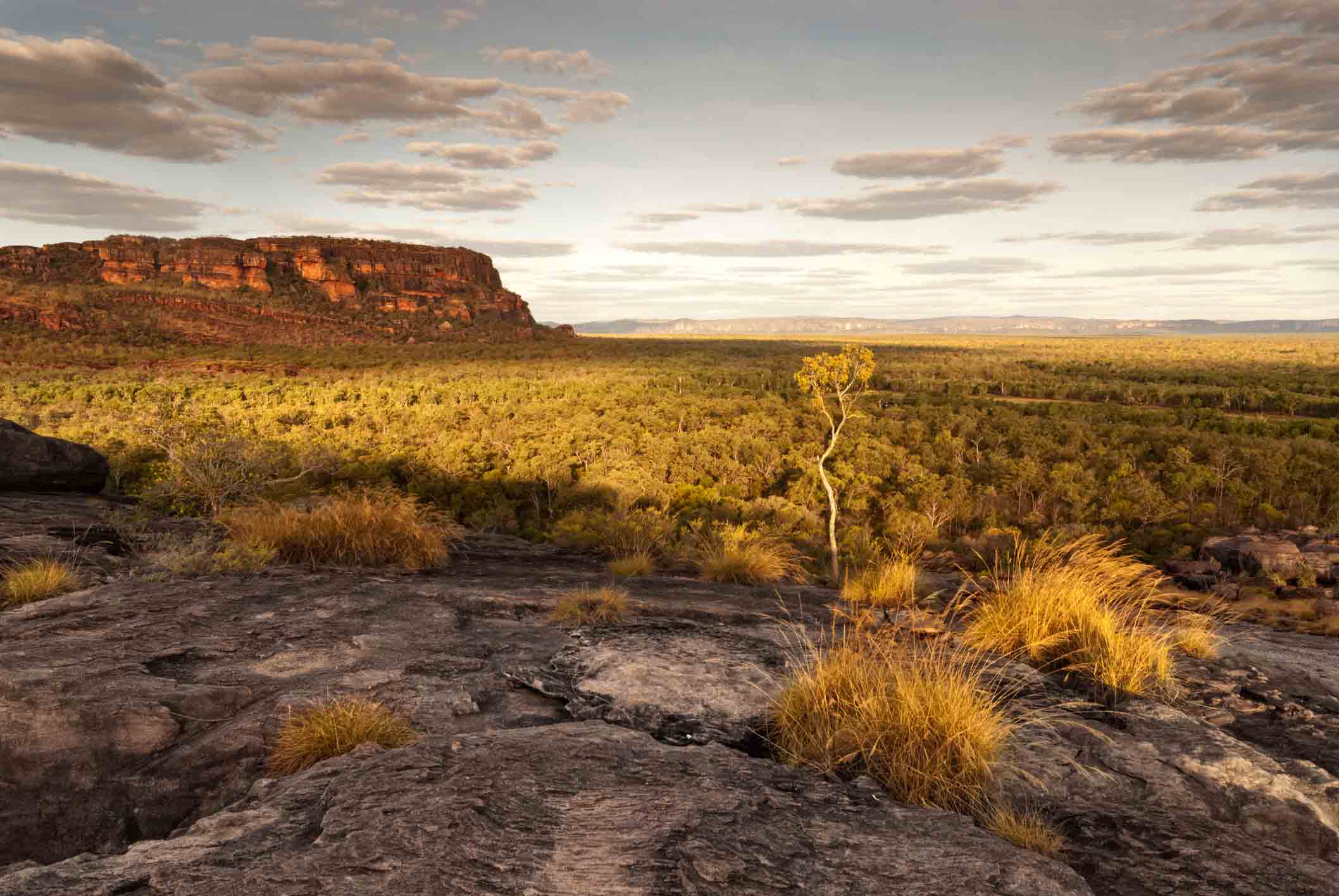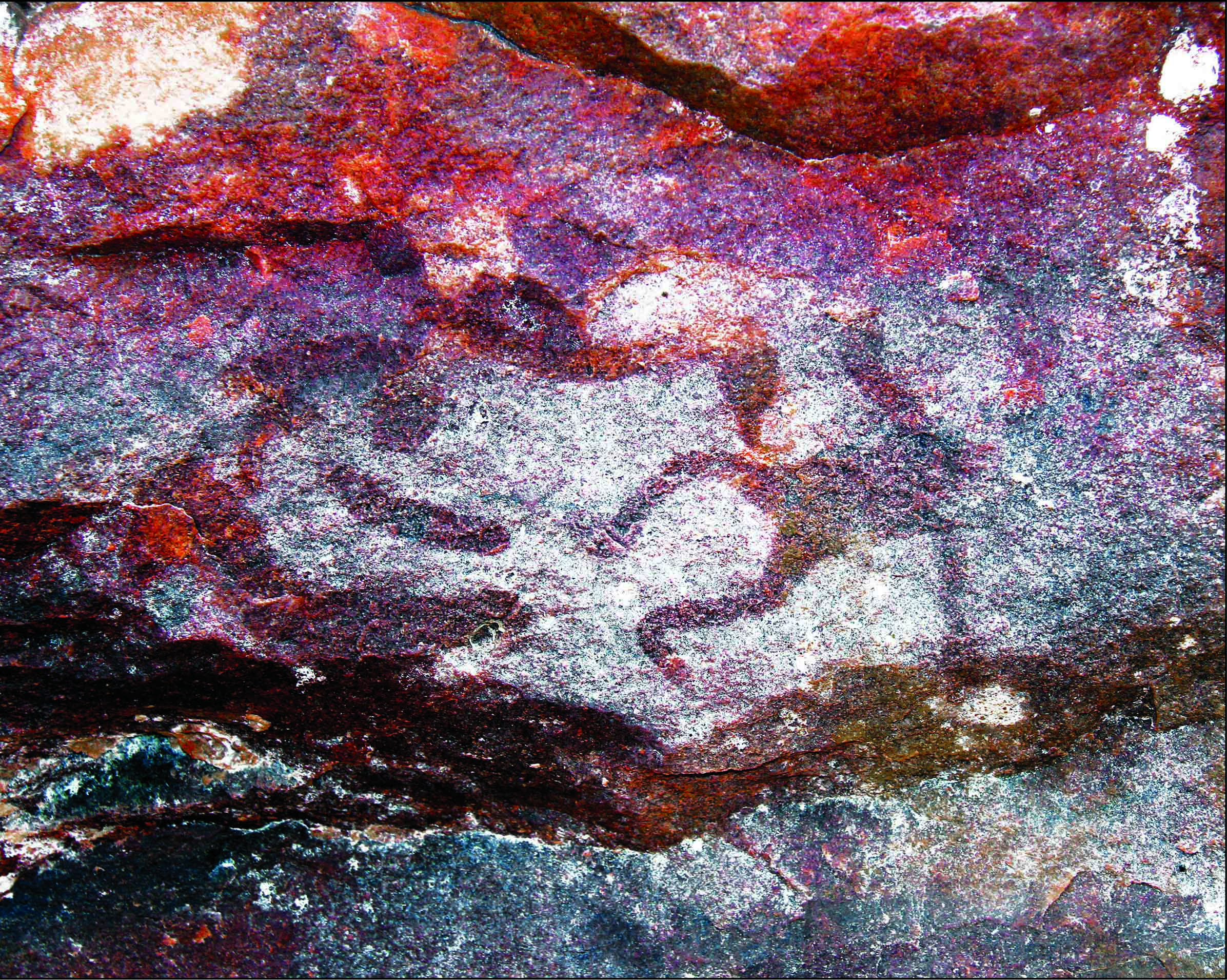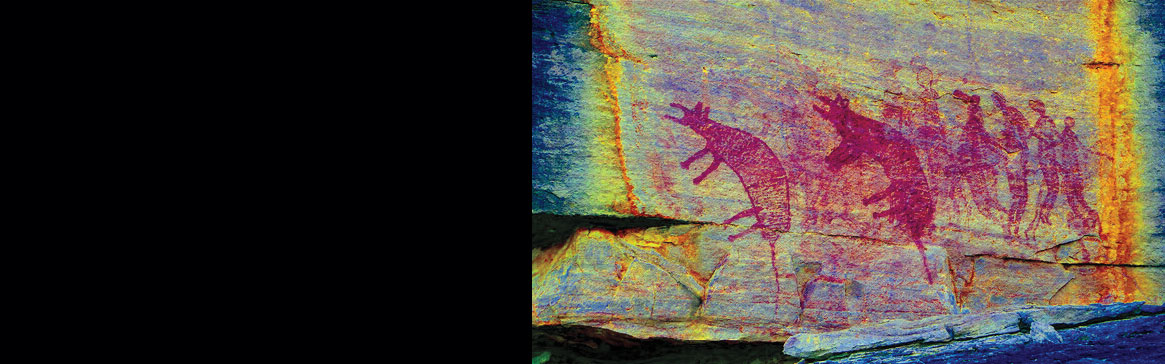
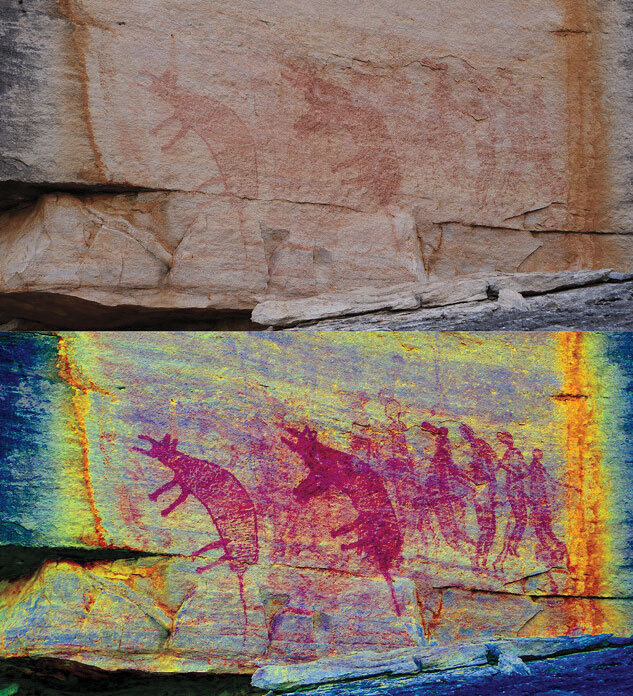
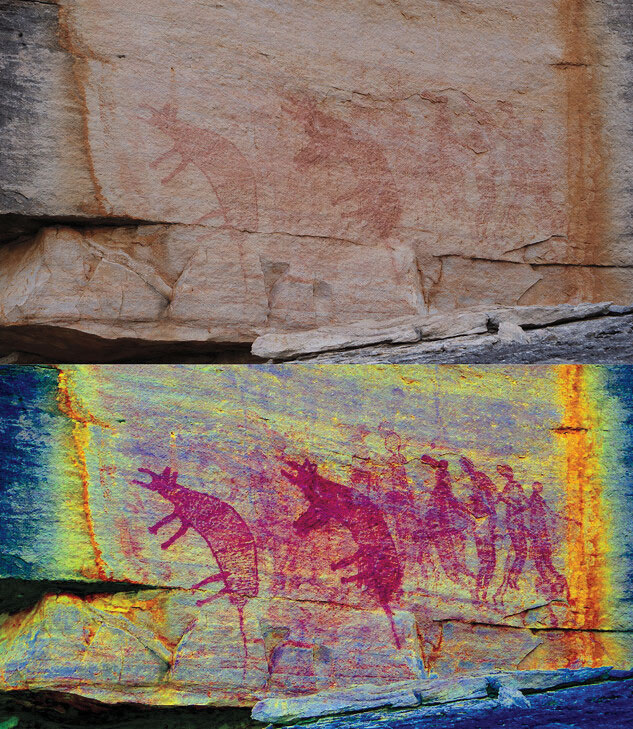
A team of researchers working closely with Aboriginal communities in the northern Australian region of Arnhem Land has recorded rock art depicting unusual animals native to the continent. The team studied the pictographs using image-enhancing software called DStretch. They identified 14 depictions of Tasmanian tigers, or thylacines, which are recognizable by their canine body shape, long muzzles, and stripes. They also found two representations of Tasmanian devils, which are identifiable by their short, robust torsos, large, rounded heads, and prominent whiskers.
Thylacines were carnivorous marsupials that are thought to have gone extinct on mainland Australia more than 3,000 years ago. They continued to survive on the island of Tasmania, although the last confirmed sighting in the wild was in 1930, and the last captive thylacine died six years later. Tasmanian tigers are an important part of Aboriginal culture, considered pets of the Rainbow Serpent, the most powerful Ancestral Being, who is responsible for great acts of creation and destruction. The animals are associated with water and were the subject of Aboriginal art as early as 15,000 years ago. Of the 160 known paintings of thylacines, most were rendered using red or yellow ocher, but at least two of the newly discovered images contain white pigment made from kaolin-rich clay. This material does not stain or permeate rock as ocher does, and rarely survives longer than 1,000 years, suggesting that these artworks may be only a few centuries old. This has led Griffith University archaeologist Paul Taçon to conclude that Aboriginal artists who painted thylacines may have encountered the beasts in the wild, suggesting that Tasmanian tigers may have survived in the region longer than scholars once believed. “Other forms of research are supporting this,” says Taçon. “The problem is that animal bones don’t survive long in the acidic Arnhem Land soil.”