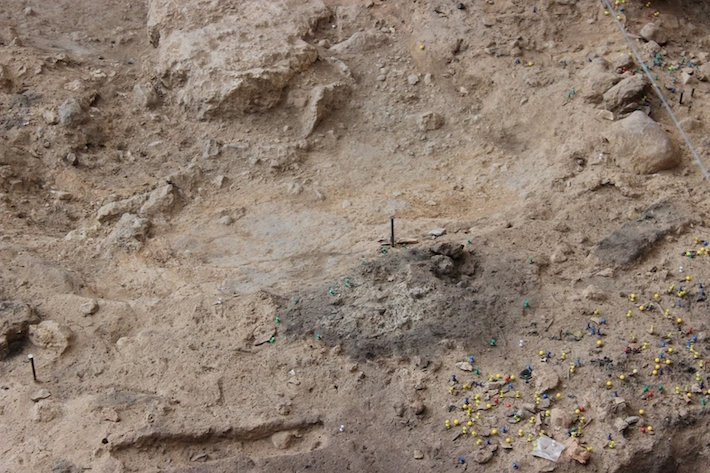
BURGOS, SPAIN—Nature News reports that a new dating technique has revealed that traces of hearths found in the same layer of soil at El Salt, a Neanderthal site in western Spain, came from fires made over a period of more than 200 years some 50,000 years ago. Because the hearths were all found in the same layer of the archaeological site, it had been previously thought that they had all been made by a single group of Neanderthals. But archaeologist Ángela Herrejón-Lagunilla of the University of Burgos and her colleagues analyzed magnetic minerals in the hearths and then compared the magnetic minerals to a model of changes in the Earth’s magnetic field. They were able to determine that the oldest fire pit at the site was about 200 years older than the youngest one. The scientists also found that decades passed between the usage of each hearth at the site, suggesting that Neanderthals returned to El Salt over many generations. “The main potential [of this technique] is to reach a timescale close to the human life,” Herrejón-Lagunilla explained. To read about what Neanderthals in Spain ate, go to "Neanderthal Medicine Chest," one of ARCHAEOLOGY's Top 10 Discoveries of 2012.
Spain’s Neanderthal Hearths Dated With New Technique
News June 10, 2024
Recommended Articles
Off the Grid September/October 2026
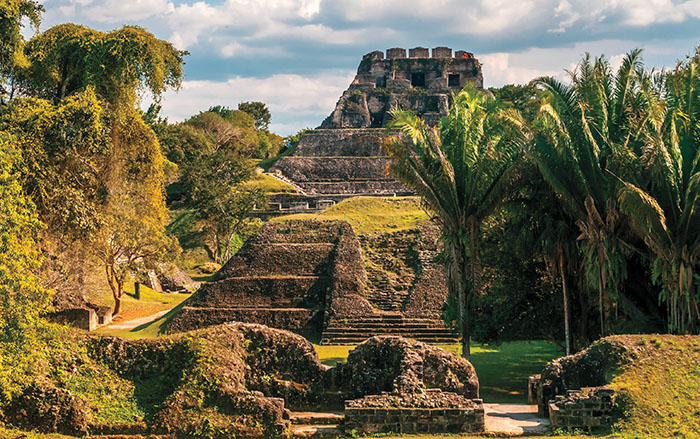
Xunantunich, Belize
Learning to draw monkeys at an ancient Maya art academy
Letter from Ireland September/October 2026
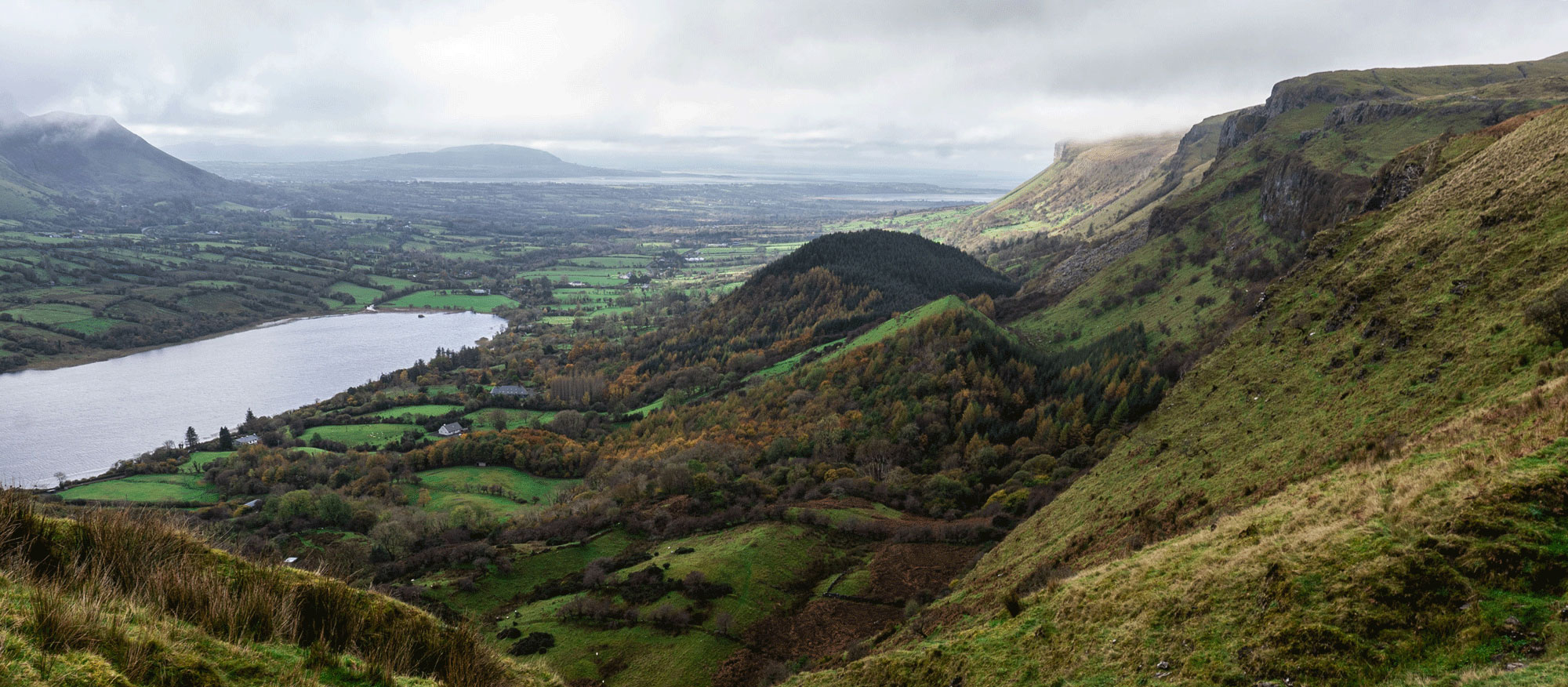
A War Between Friends
How IRA volunteers survived the Irish Civil War in a secret mountain hideout
Features September/October 2026
A Change in Fashion
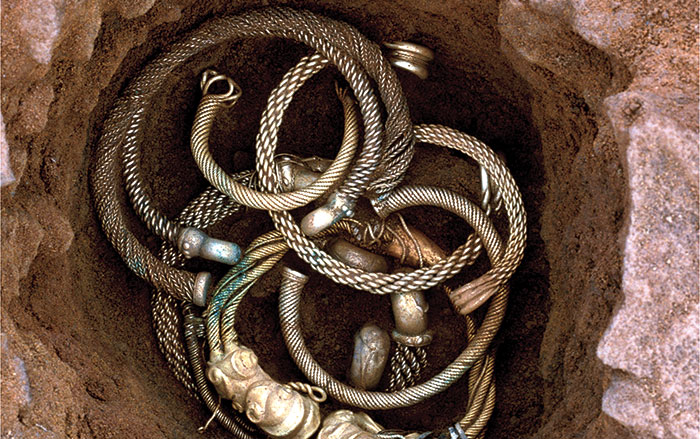
Hoards of lavish gold and silver neck rings buried on an English hill reflect dramatic social change
Features September/October 2026
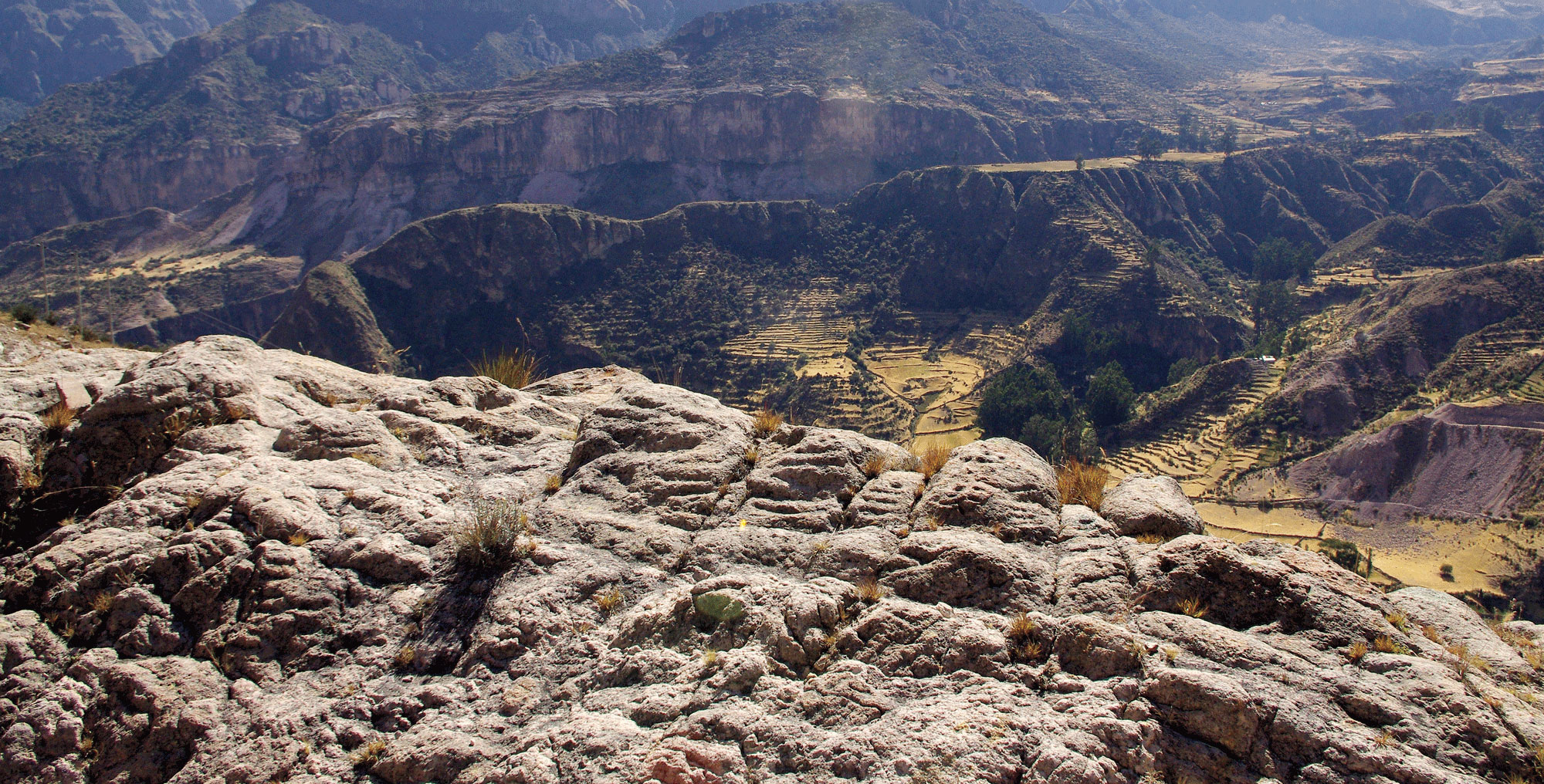
Cultivating Fields of Stone
Peru’s ancient farmers used intricate rock maps to plan for the future
More to Discover
Features July/August 2024
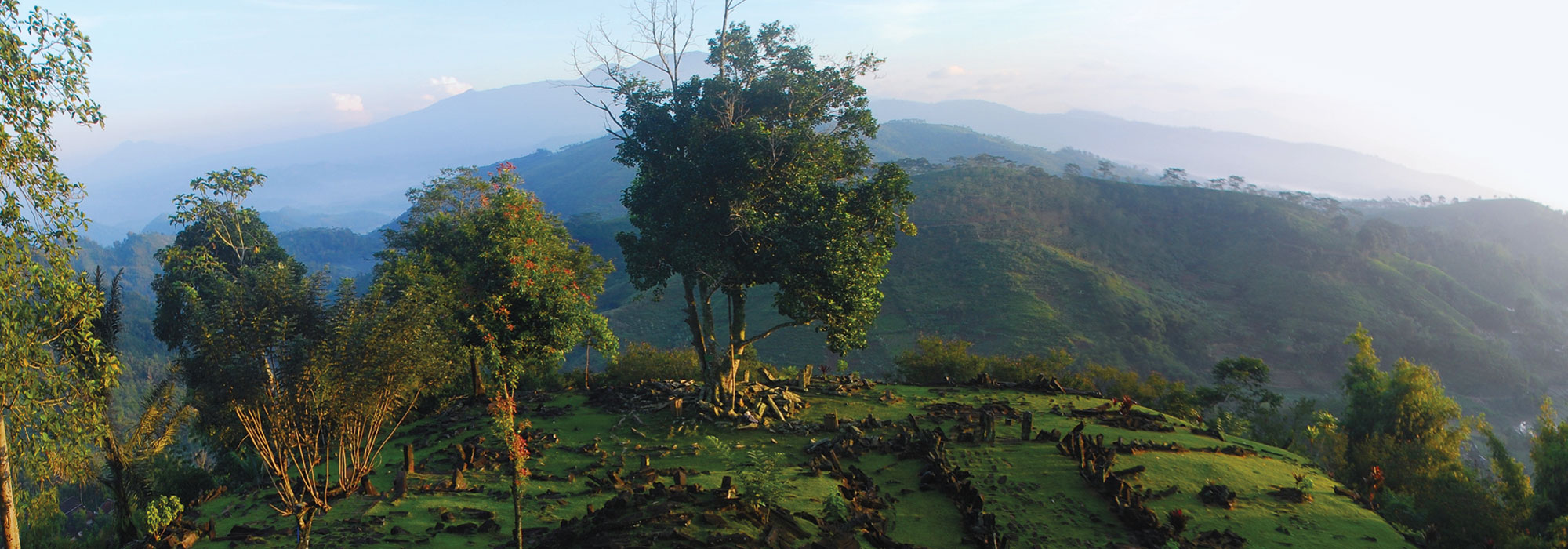
Java's Megalithic Mountain
Across the Indonesian archipelago, people raised immense stones to honor their ancestors
-
Features July/August 2024
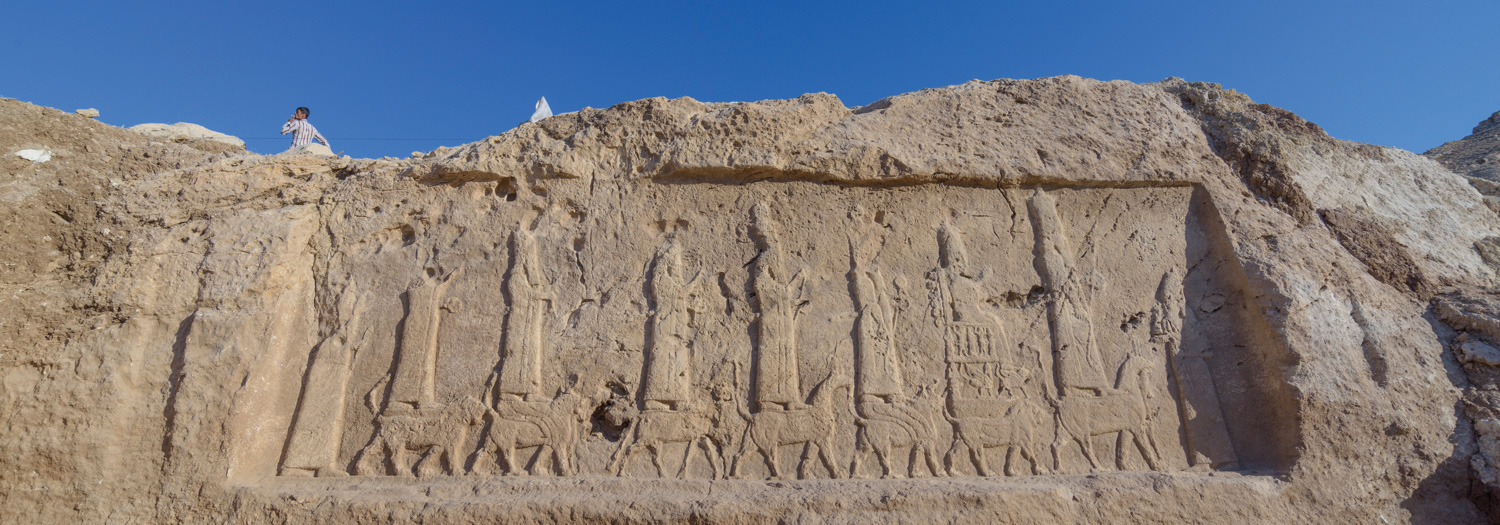
The Assyrian Renaissance
Archaeologists return to Nineveh in northern Iraq, one of the ancient world’s grandest imperial capitals
 (Land of Nineveh Archaeological Project)
 -
Features July/August 2024
A Dynasty Born in Fire
How an upstart Maya king forged a new social order amid chaos
 (Courtesy Proyecto Arqueológico Ucanal)
 -
Features July/August 2024
Making a Roman Emperor
A newly discovered monumental arch in Serbia reveals a family’s rise to power in the late second century a.d.
 (Serbia’s Institute of Archaeology)
 -
Features July/August 2024
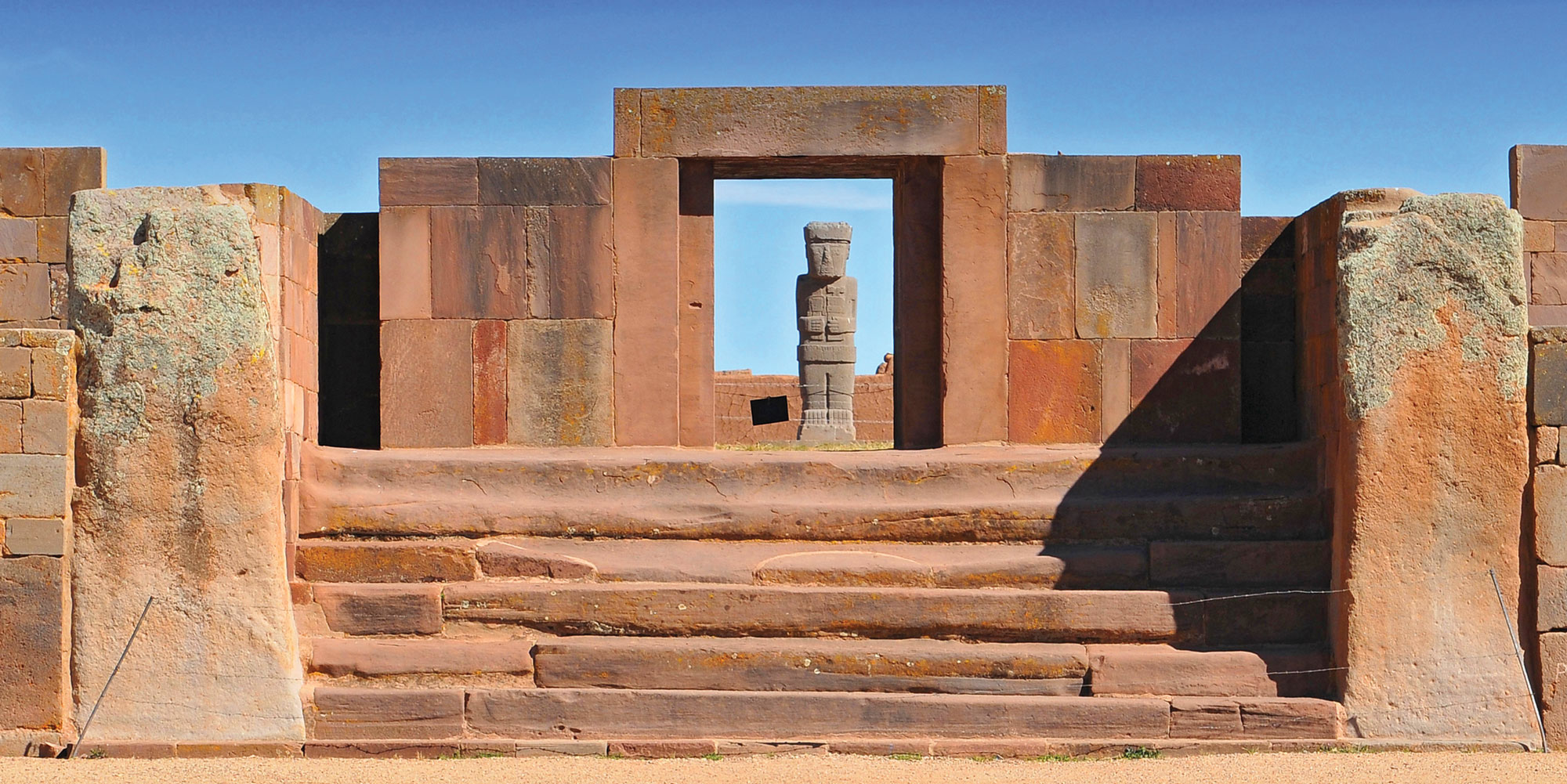
Rise and Fall of Tiwanaku
New dating techniques are unraveling the mystery of a sacred Andean city