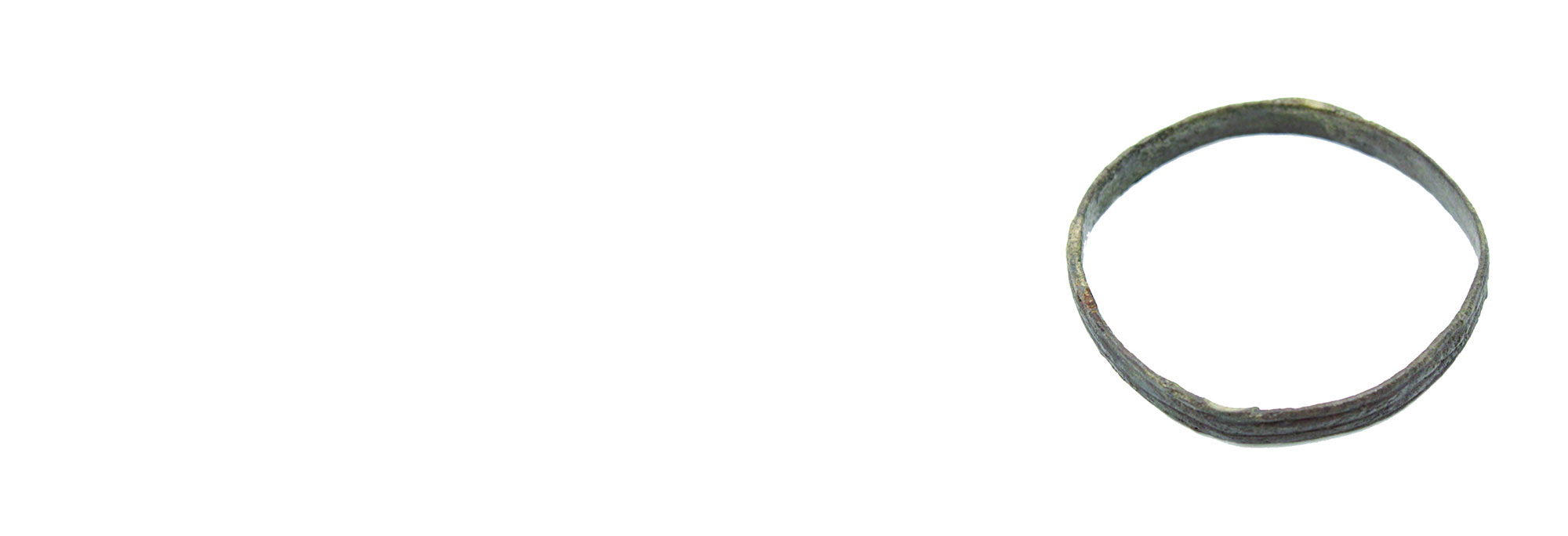
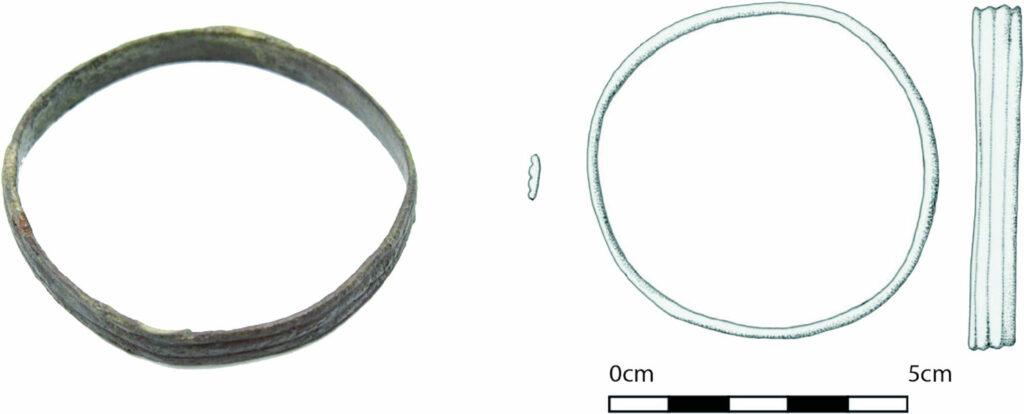
BRUSSELS, BELGIUM—Many masterpieces of classical Greek sculpture were created using the lost-wax technique, a process that involves making a detailed wax model figure and covering it with clay. That wax-clay object is then fired, which melts the wax interior, creating a hollow ceramic outer mold into which molten metal can be poured. Once the hardened exterior clay layer is broken, it leaves behind a perfect metal figure core that represents the desired artistic creation. Phys.org reports that a new study of artifacts housed in Belgium’s Musées royaux d'art et d'histoire indicated that this ingenious practice dates back thousands of years. Among the museum’s collection are an assemblage of silver objects originally found in the 1890s at the El Argar site in Spain. The people of the eponymous El Argar culture were expert silversmiths who thrived in southeastern Iberia between 2200 and 1500 b.c. Recent analysis conducted by Queen’s University Belfast’s Linda Boutoille determined that one El Argar silver bracelet with parallel longitudinal grooves was produced using the lost-wax method, the earliest known use of this technique in western Europe for casting silver objects. “The bracelet under study is unique within the El Argar assemblage and indeed within Europe,” said Boutoille. “No direct parallels have been identified elsewhere.” Read the original scholarly article about this research in the Oxford Journal of Archaeology. To read about an El Argar burial at the site of La Almoloya, go to "Crowning Glory."