Original Home of Looted Pompeii Fresco Identified

News December 18, 2025

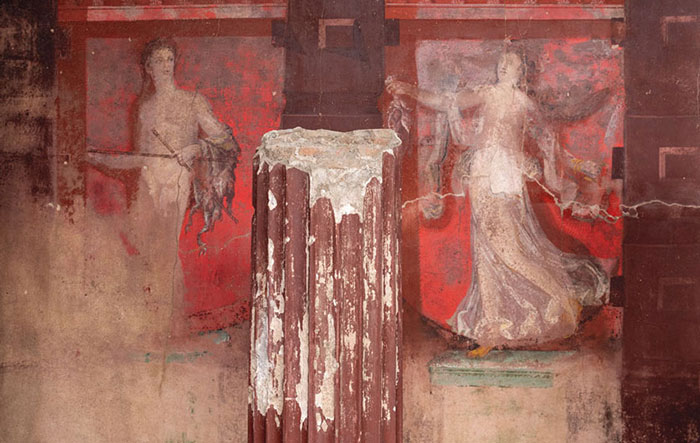
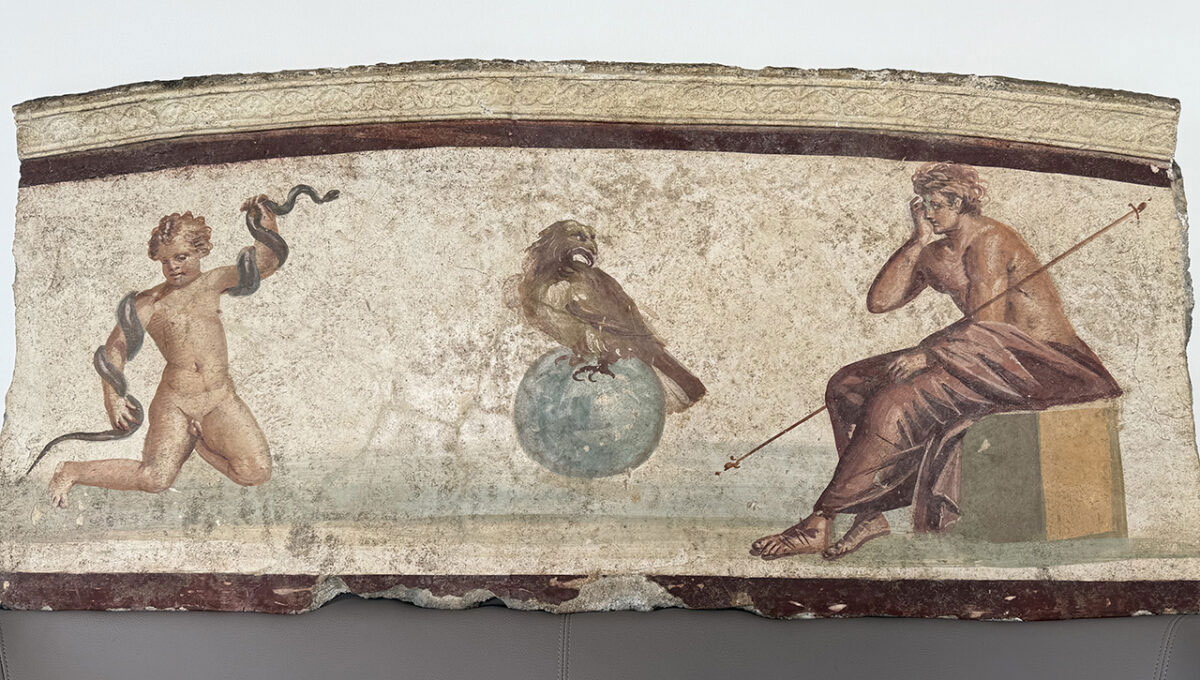
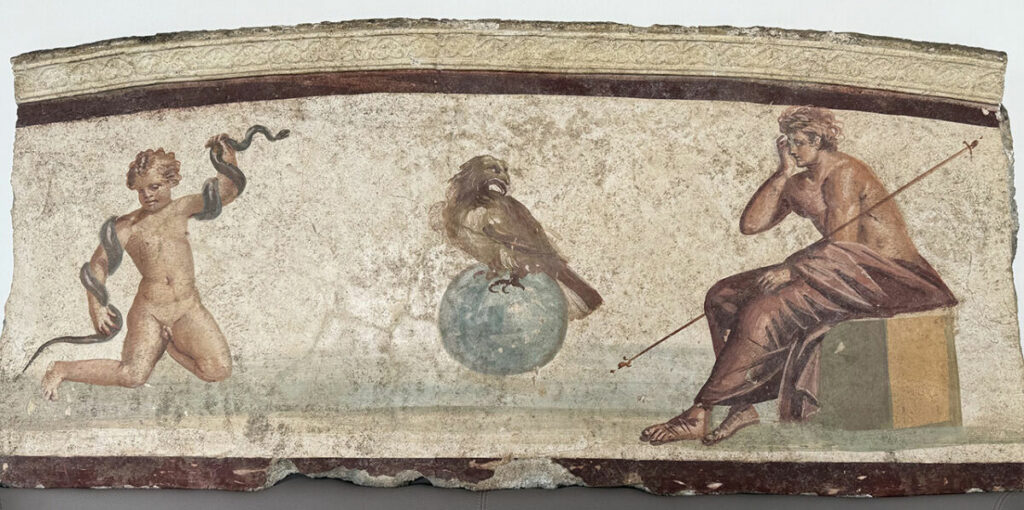
Fresco from Pompeii's Civita Giuliana depicting Hercules strangling a serpent (left), Zeus as an eagle (center), and Amphitryon (right)
Archaeological Park of Pompeii
SHARE:

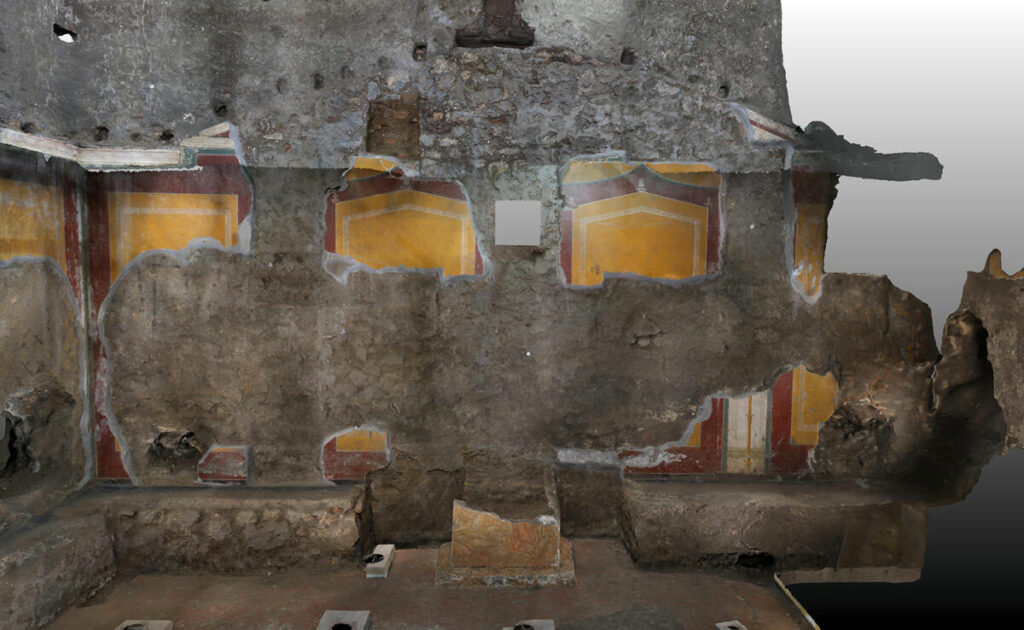
NAPLES, ITALY—ArtNet News reports that officials at the Archaeological Park of Pompeii have concluded that a looted fragment of a mural depicting Hercules as an infant wrestling a snake came from the Civita Giuliana, a lavish villa on the outskirts of the city. The fragment is said to have been part of an upper lunette on the back wall of the villa’s sacellum, or private chapel. The walls of the chapel were originally lined with 12 painted panels, which have all been looted as well. These panels are thought to have shown the 12 labors of Hercules. The fresco fragment of baby Hercules was repatriated to Italy from the United States in 2023. Italian officials are continuing to search for the rest of the room’s stolen frescoes. To read about an opulent dining room in Pompeii decorated with frescoes depicting the wine god's followers, go to "Dining with Dionysus," one of ARCHAEOLOGY's Top 10 Discoveries of 2025.
  • Features November/December 2025

    Acts of Faith

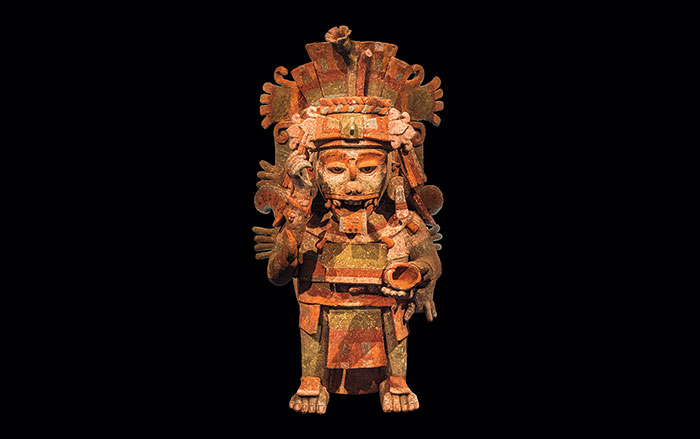
    Evidence emerges of the day in 1562 when an infamous Spanish cleric tried to destroy Maya religion

    Read Article
    Adriana Rosas/Alamy
  • Features November/December 2025

    Temples to Tradition

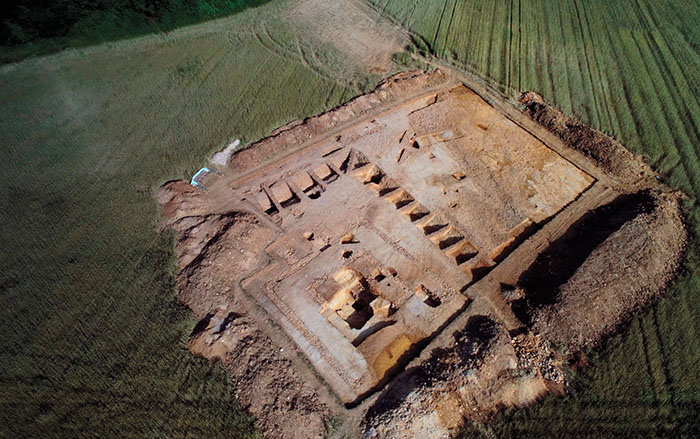
    A looted cache of bronzes compels archaeologists to explore Celtic sanctuaries across Burgundy

    Read Article
    The temple at the Gallo-Roman sanctuary in Couan in east-central France
    M. Thivet, MSHE
  • Features November/December 2025

    Oasis Makers of Arabia

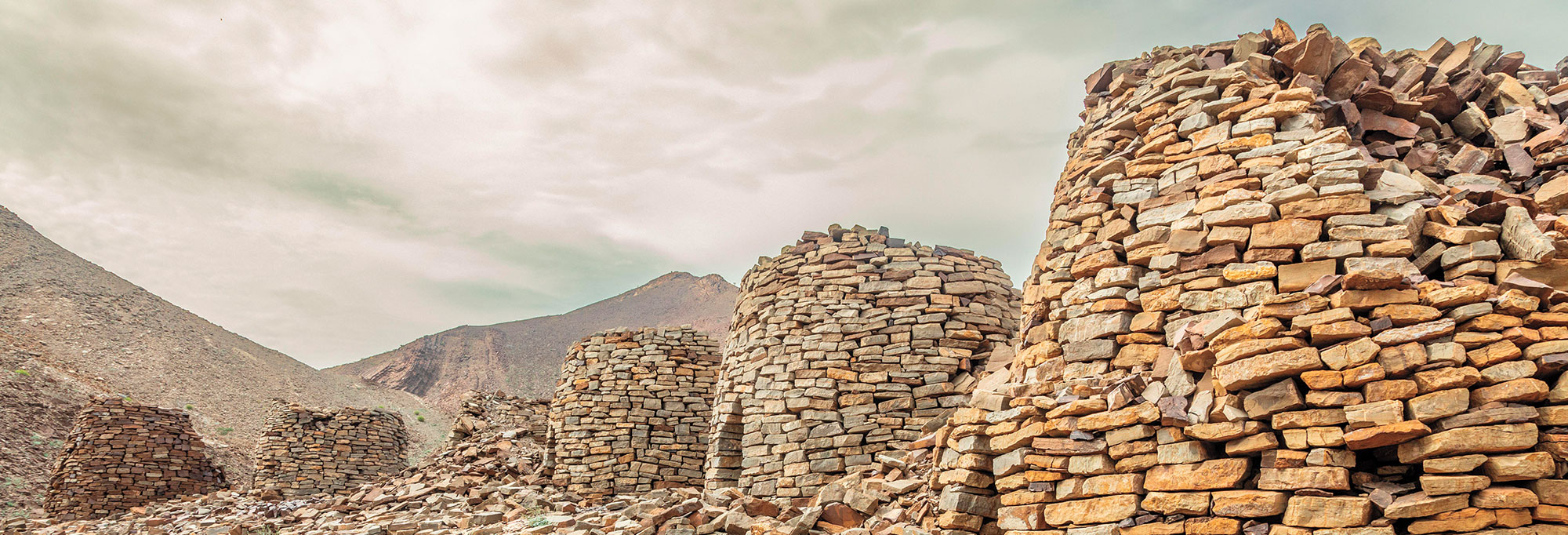
    Researchers are just beginning to understand how people thrived in the desert of Oman some 5,000 years ago

    Read Article
    Beehive-shaped tombs at the site of Al-Ayn, Oman
    Vadim Nefedov/Alamy
  • Features November/December 2025

    Searching for Venezuela’s Undiscovered Artists

    Inspired by their otherworldly landscape, ancient people created a new rock art tradition

    Read Article
    José Miguel Pérez-Gómez