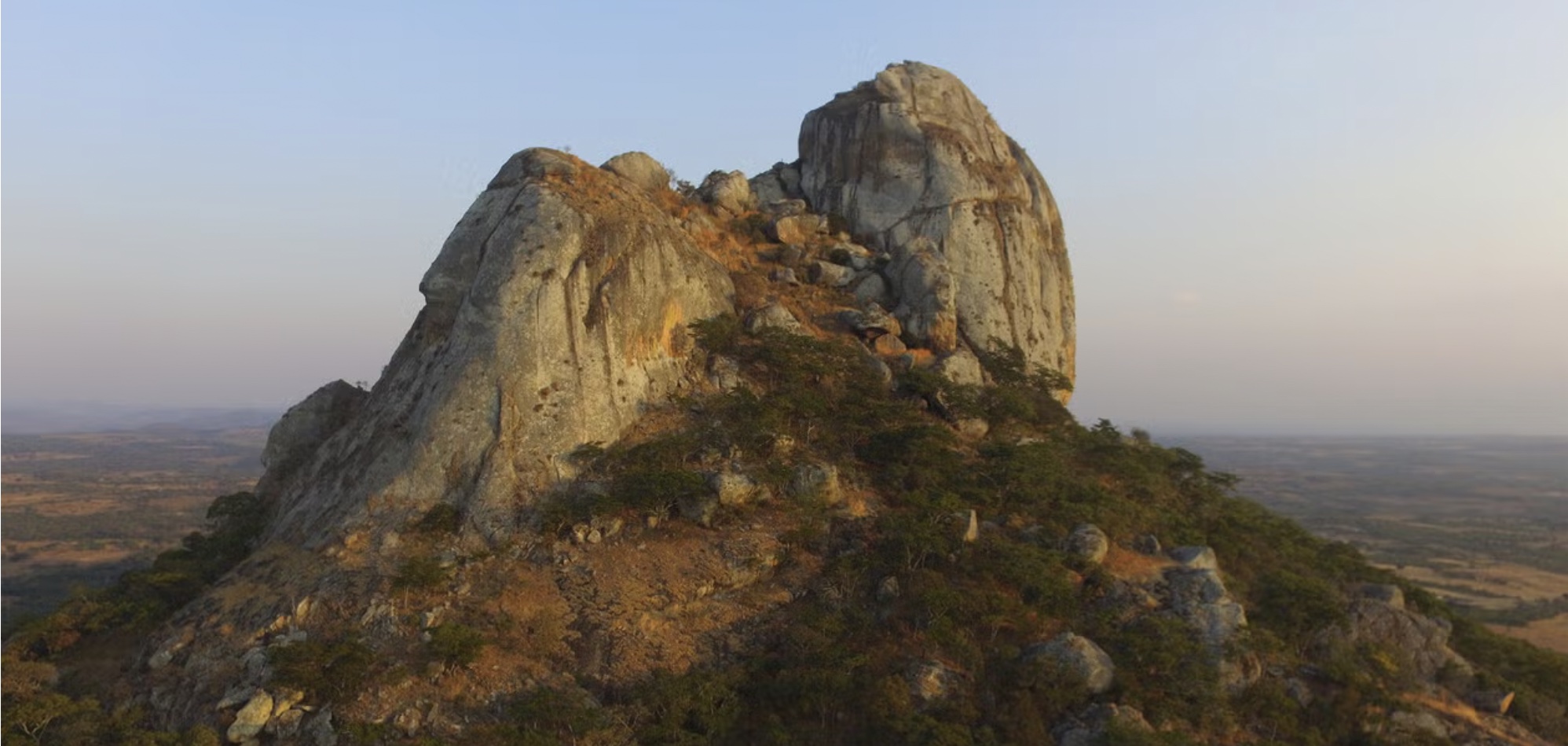
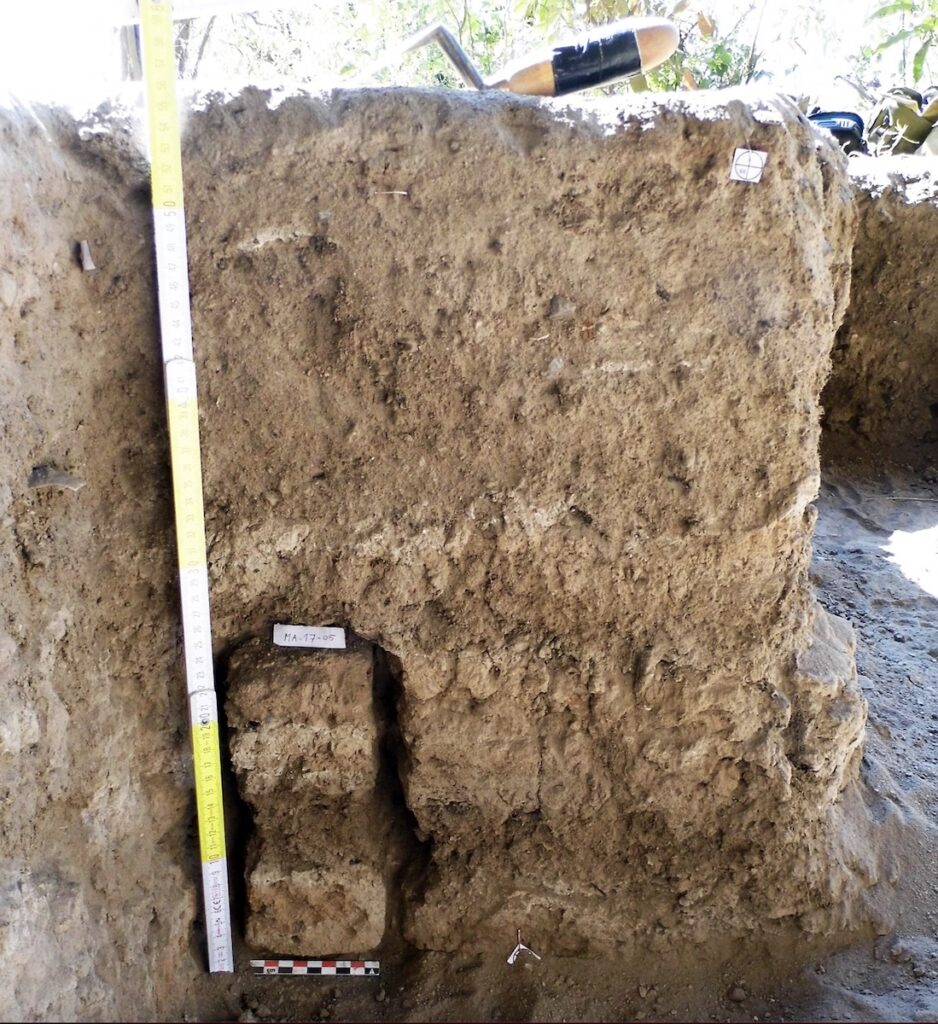
NORMAN, OKLAHOMA—According to a statement released by the University of Oklahoma, a cremation pyre dated to 9,500 years ago has been discovered in northern Malawi. Prior to the discovery, the oldest-known intentional cremation in Africa had been dated to 3,500 years ago. The large ash feature contained some 170 bone fragments of an adult woman whose remains were likely burned within a few days of her death. Cut marks were found on a few of the limb bones, suggesting that parts of the body may have been defleshed. Her head may have been removed as well, since no teeth or skull fragments were recovered from the ash. Jessica Cerezo-Román of the University of Oklahoma explained that cremation is very rare among ancient and modern hunter-gatherers, at least partially because building a pyre and burning it require a huge amount of labor, time, and fuel. “Not only is this the earliest cremation in Africa, it was such a spectacle that we have to re-think how we view group labor and ritual in these ancient hunter-gatherer communities,” said Jessica Thompson of Yale University. Evidence at the site also suggests that the large fires had been held at the site before the cremation, and multiple fires were burned at the site afterwards, perhaps to memorialize the significance of the cremation event. “There must have been something specific about her that warranted special treatment,” Thompson surmised. Read the original scholarly article about this research in Science Advances. To read about cherries that Mesolithic foragers in what is now Serbia threw onto a pyre nearly 9,000 years ago, go to "A Passion for Fruit: Funeral Fruit."