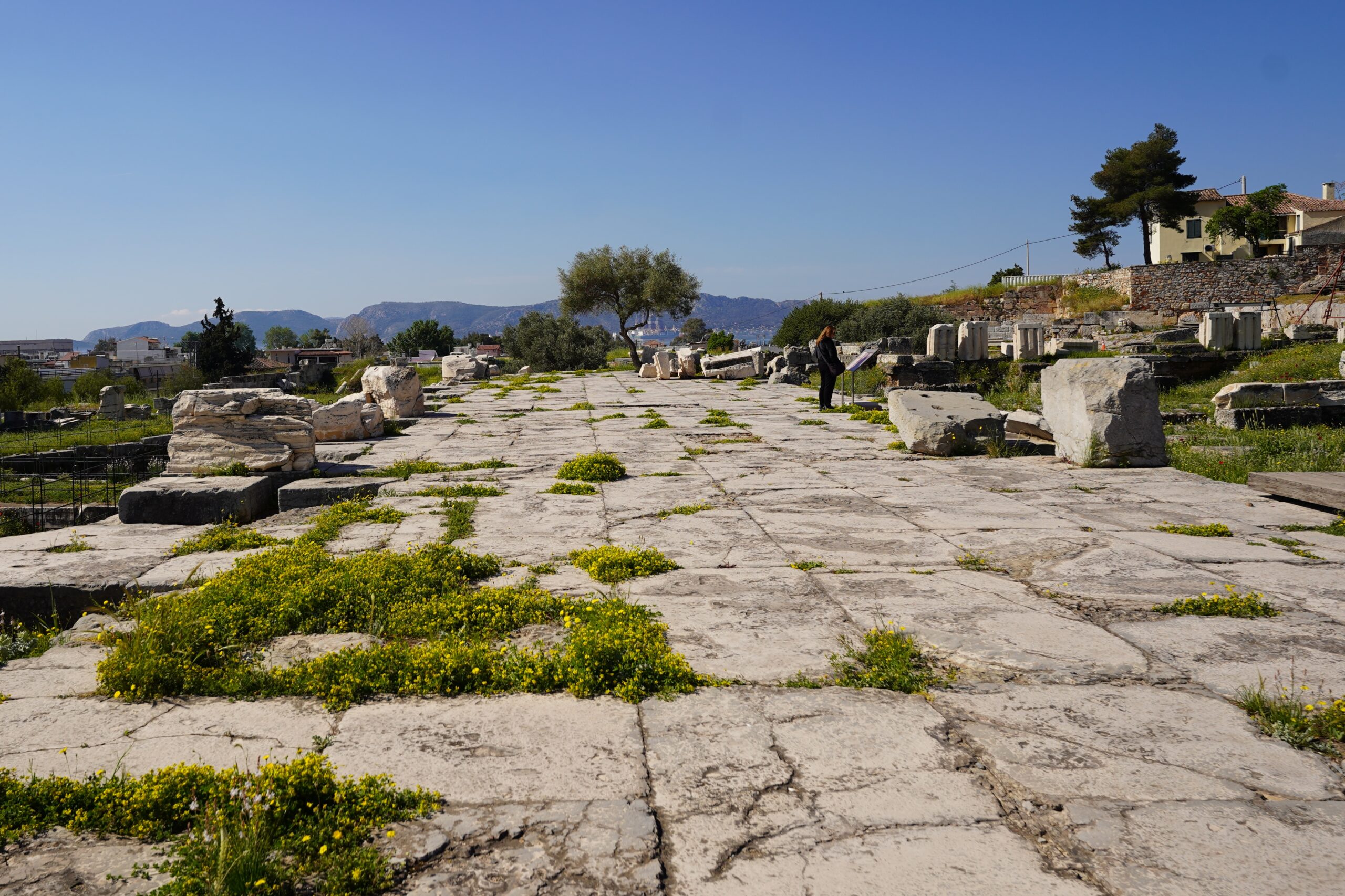
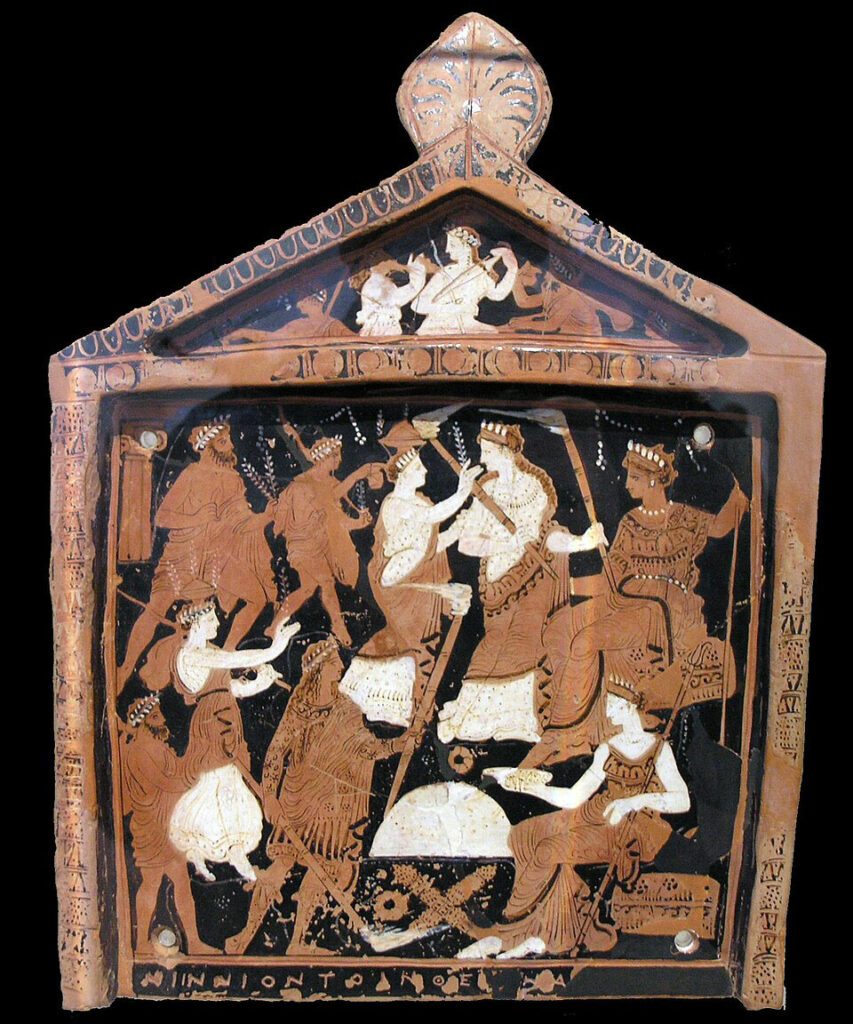
ATHENS, GREECE—IFL Science reports that a team of researchers led by Romanos K. Antonopoulos and Evangelos Dadiotis of the National and Kapodistrian University were able to use a lye solution made with water and ash to remove the potentially deadly toxins from Claviceps purpurea, a fungus that can grow on barley, and convert them into psychoactive substances. Such hallucinogenic ergot alkaloids have been found on pottery and in dental calculus at an Eleusinian temple in Spain at the site of Mas Castellar de Pontós. Antonopoulos, Dadiotis, and their colleagues think that ancient Greek priestesses may have also been able to treat Claviceps purpurea with lye to render it nontoxic, and administer it to the masses of people who participated in the annual Eleusinian Mysteries, which were held annually in Greece at harvest time. The ritual, as remembered in the oral tradition known as the Homeric Hymn to Demeter, honored the Greek goddess of nature and fertility. Demeter is said to have entered a cave at Eleusis in an effort to rescue her daughter Persephone, who had been abducted by Hades, the god of the underworld. Each year, after traveling some 20 miles from the Sacred Gate in Athens to Eleusis, initiates would commemorate Demeter’s search by entering a special hall for the performance of the secret Eleusinian rite. The researchers suggest that this rite may have included consumption of treated hallucinogenic fungus harvested from infected barley. To read about new discoveries related to Dionysian rites, go to "Pompeii's House of Dionysian Delights."