

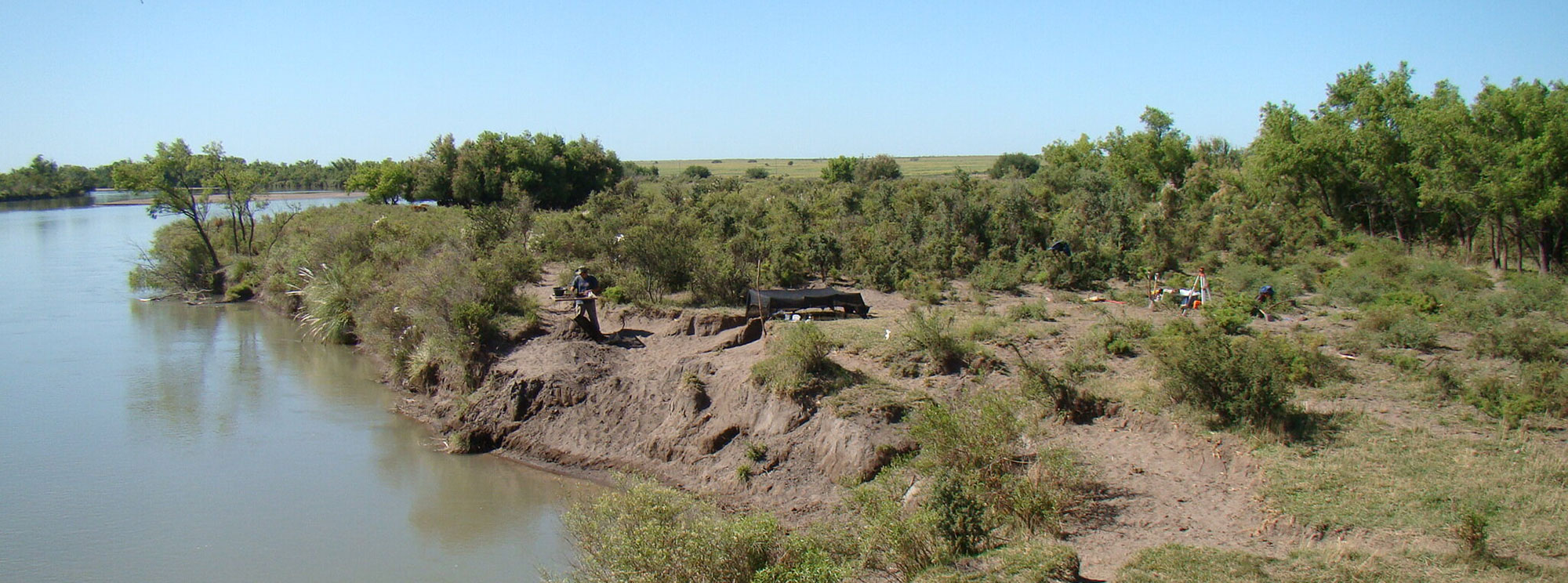
GUAYAQUIL, ECUADOR—According to a statement released by the Polytechnic School of the Coast, between 1,500 and 400 years ago, hunter-gatherers consumed guanaco, armadillo, birds, and large rodents at the site of Zoko Andi 1, which is located in Argentina’s transition zone between the Pampas and Patagonia. Gustavo Martínez of the National University of Central Buenos Aires and his colleagues determined that this use of the site is about 500 years earlier than previously thought. In addition to serving as a camp, the site may have been used for ritual purposes, since burials were also uncovered. This connection to ancestors may have continued to draw people to the site for centuries, the researchers concluded. To read about evidence for early hunter-gatherers in western Argentina, go to "Off the Grid: Barrancas River Valley, Argentina."
Study Pushes Back Occupation of Southern Argentina Site by 500 Years
News February 27, 2026
Recommended Articles
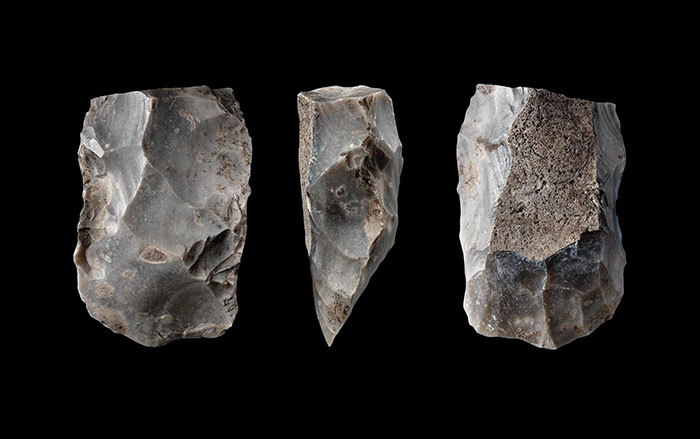
Letter from Siberia September/October 2024
Strongholds of the Taiga
Beginning 8,000 years ago, hunter-gatherers in the forests of northern Russia built some of the world’s earliest fortified settlements
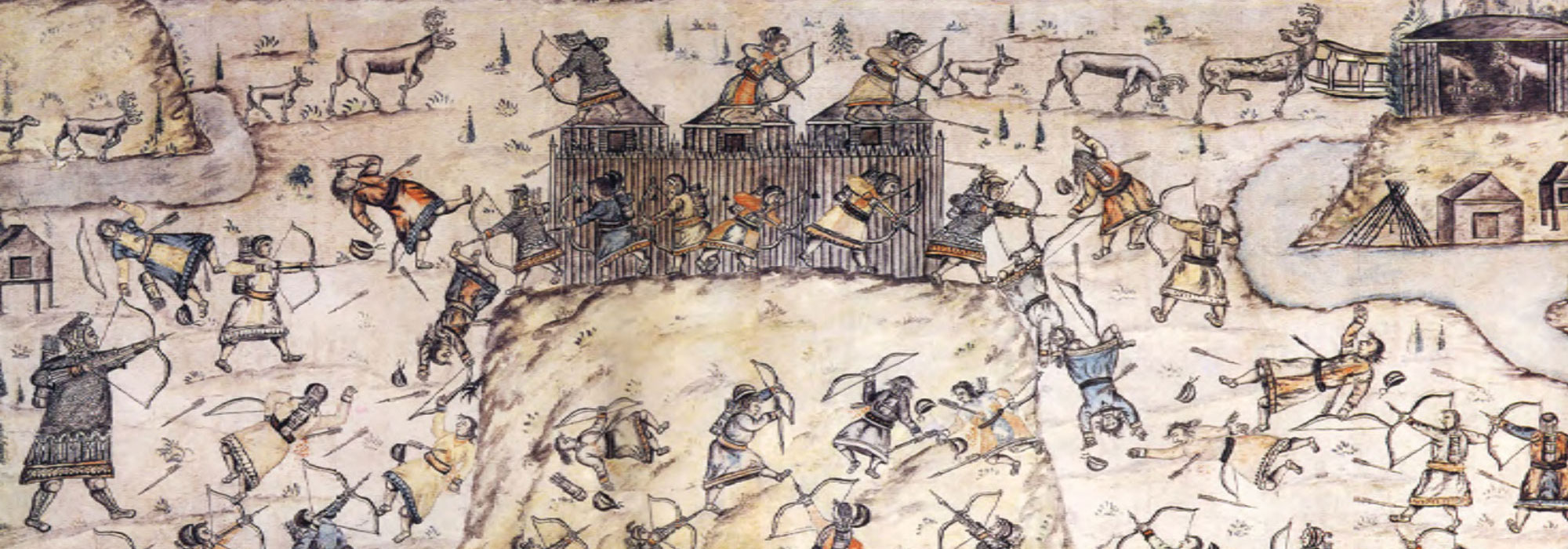
Letter from Doggerland March/April 2022
Mapping a Vanished Landscape
Evidence of a lost Mesolithic world lies deep beneath the dark waters of the North Sea
Features May/June 2021
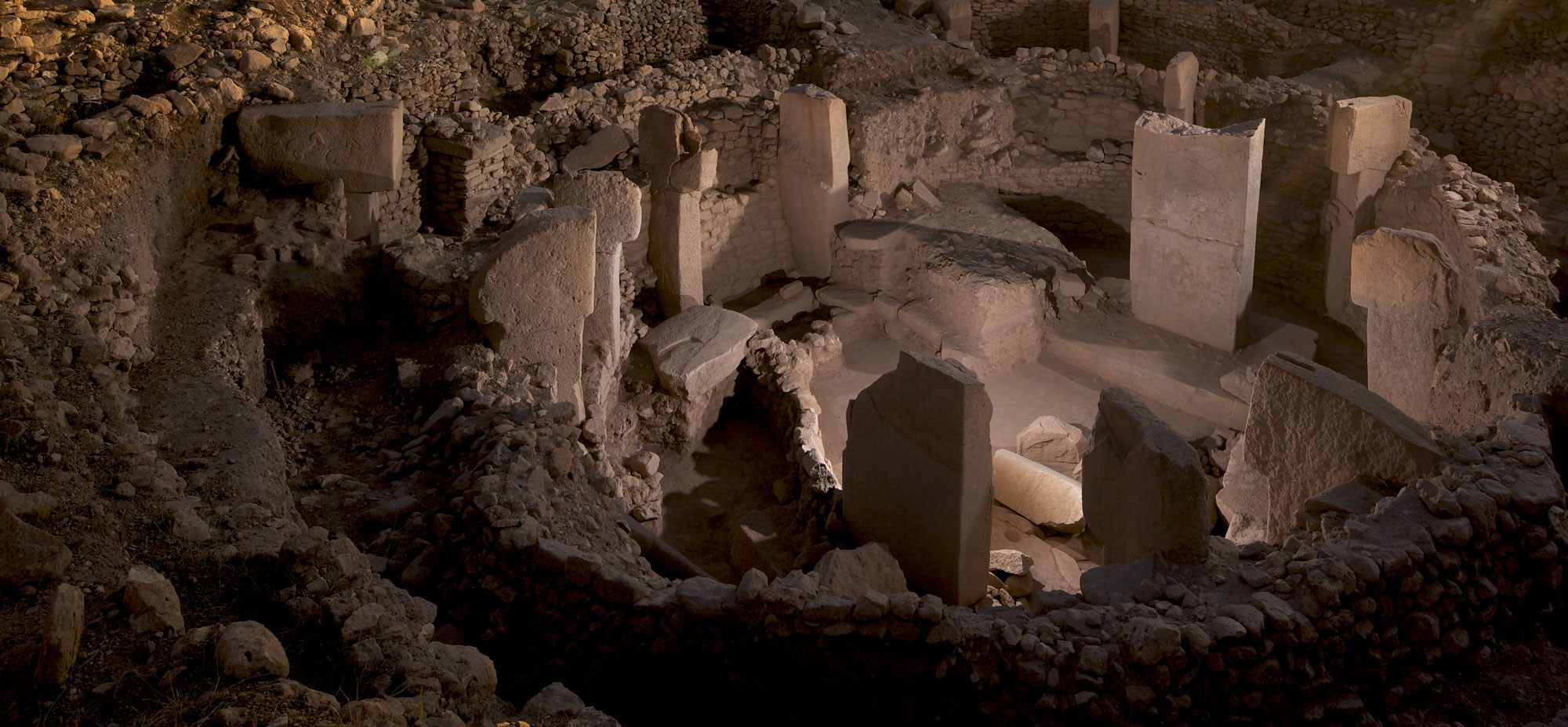
Last Stand of the Hunter-Gatherers?
The 11,000-year-old stone circles of Göbekli Tepe in modern Turkey may have been monuments to a vanishing way of life
More to Discover
Features January/February 2026
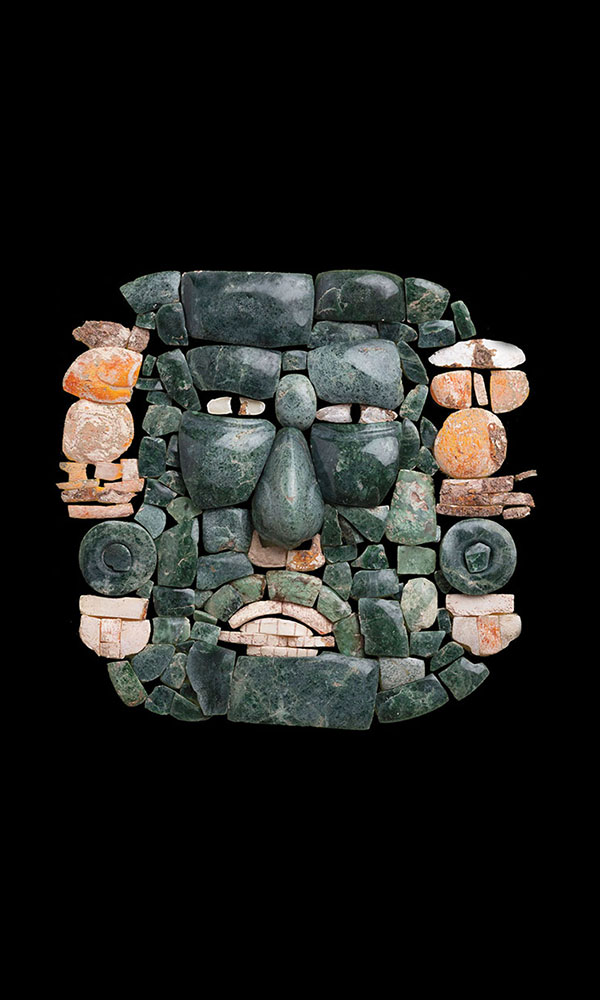
Top 10 Discoveries of 2025
ARCHAEOLOGY magazine’s editors reveal the year’s most exciting finds

-
Features January/February 2026
The Cost of Doing Business
Piecing together the Roman empire’s longest known inscription—a peculiarly precise inventory of prices
 Ece Savaş and Philip Stinson
 -
Features January/February 2026
The Birds of Amarna
An Egyptian princess seeks sanctuary in her private palace
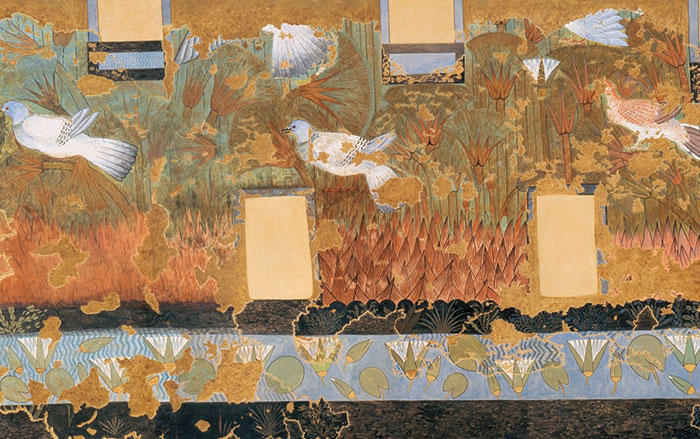 The Metropolitan Museum of Art, New York/ Rogers Fund, 1930
 -
Features January/February 2026
Taking the Measure of Mesoamerica
Archaeologists decode the sacred mathematics embedded in an ancient city’s architecture
 Courtesy Claudia I. Alvarado-León
 -
Features January/February 2026
Stone Gods and Monsters
3,000 years ago, an intoxicating new religion beckoned pilgrims to temples high in the Andes
 Courtesy John Rick