Lake Temperatures Linked to Michigan Mound Placement

News March 6, 2026

SHARE:

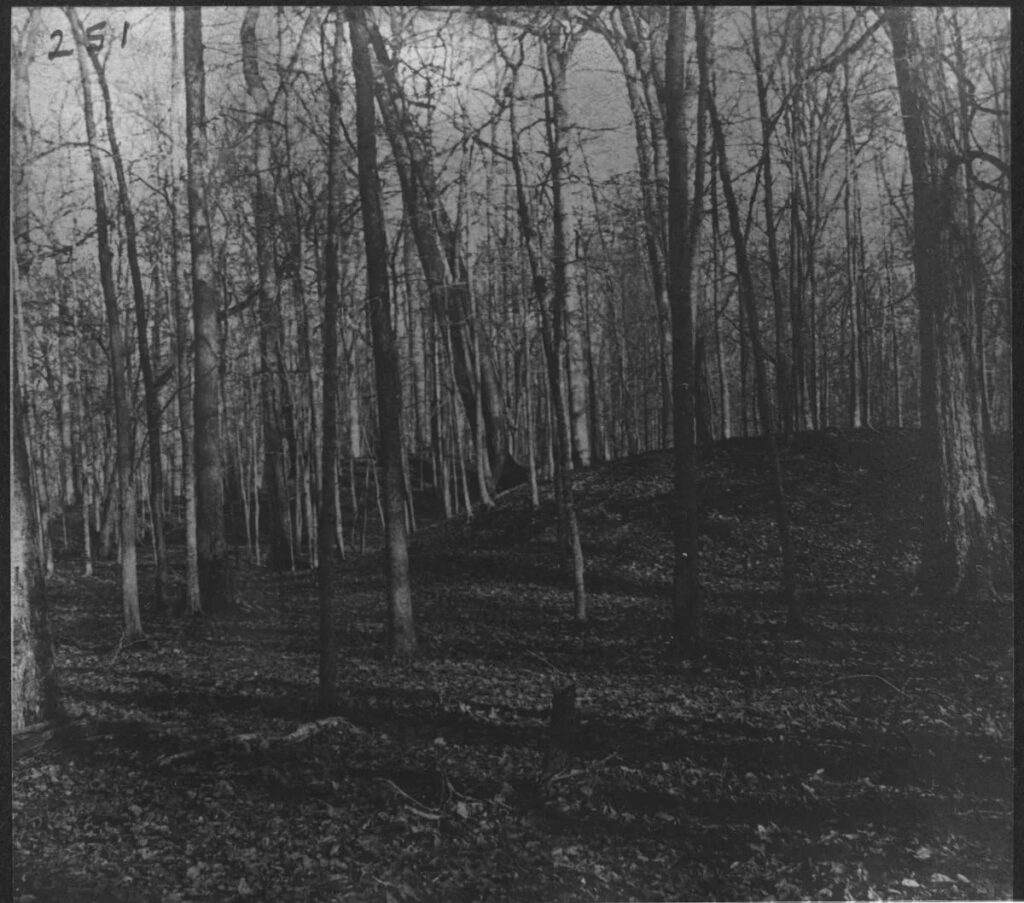
DURHAM, NEW HAMPSHIRE—According to a statement released by the University of New Hampshire, Meghan Howey and Michael Palace of the University of New Hampshire compared temperature data collected by Landsat 8 satellite thermal sensor between 2014 and 2024 and the locations of burial mounds built between A.D. 1200 and 1600 in what is now Michigan’s Lower Peninsula. The researchers discovered that the Anishinaabeg, who lived in the Great Lakes area, built burial mounds near more circular-shaped lakes that warmed later in spring and cooled later in fall. Placement of the mounds may therefore have been associated with a longer maize growing season, the scientists suggest. “It’s a cool example of taking a free global data tool developed for an ecological application and using it for archaeological research,” Howey said of the study. To read about recent study of mounds in southern Wisconsin, go to "Mounds in the Family."
  • Features March/April 2026

    Pompeii's House of Dionysian Delights

    Vivid frescoes in an opulent dining room celebrate the wild rites of the wine god

    Read Article
    Frescoed panels in the House of the Thiasus portray a satyr (left) and a woman (right)
    Courtesy Archaeological Park of Pompeii
  • Features March/April 2026

    Return to Serpent Mountain

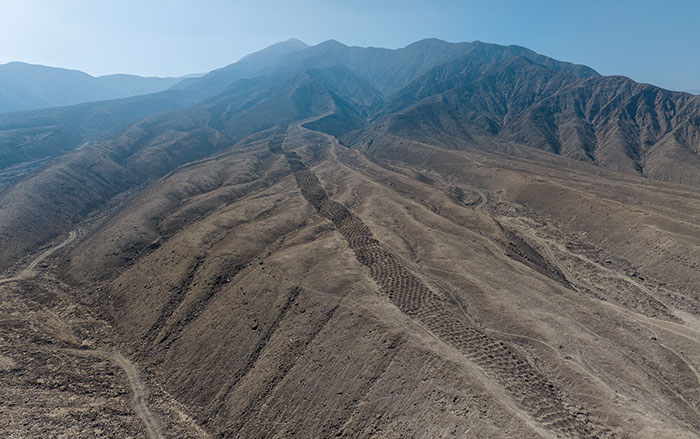
    Discovering the true origins of an enigmatic mile-long pattern in Peru’s coastal desert

    Read Article
    Courtesy J.L. Bongers
  • Features March/April 2026

    Himalayan High Art

    In a remote region of India, archaeologists trace 4,000 years of history through a vast collection of petroglyphs

    Read Article
    Matt Stirn
  • Features March/April 2026

    What Happened in Goyet Cave?

    New analysis of Neanderthal remains reveals surprisingly grim secrets

    Read Article
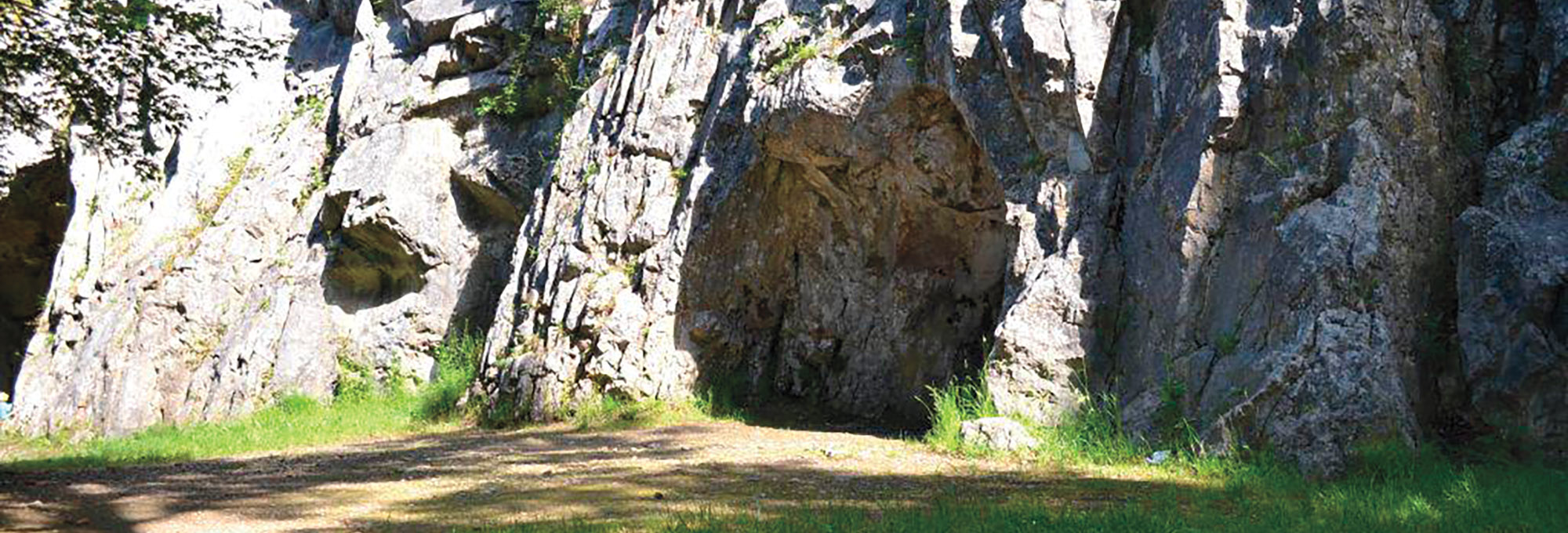
    The Third Cave, one of the galleries in a cave system in central Belgium known as the Goyet Caves
    IRSNB/RBINSL