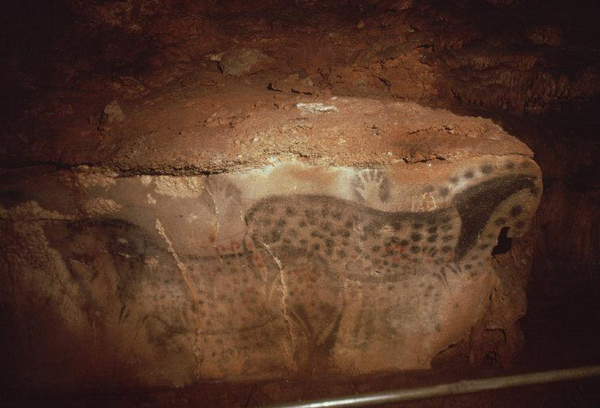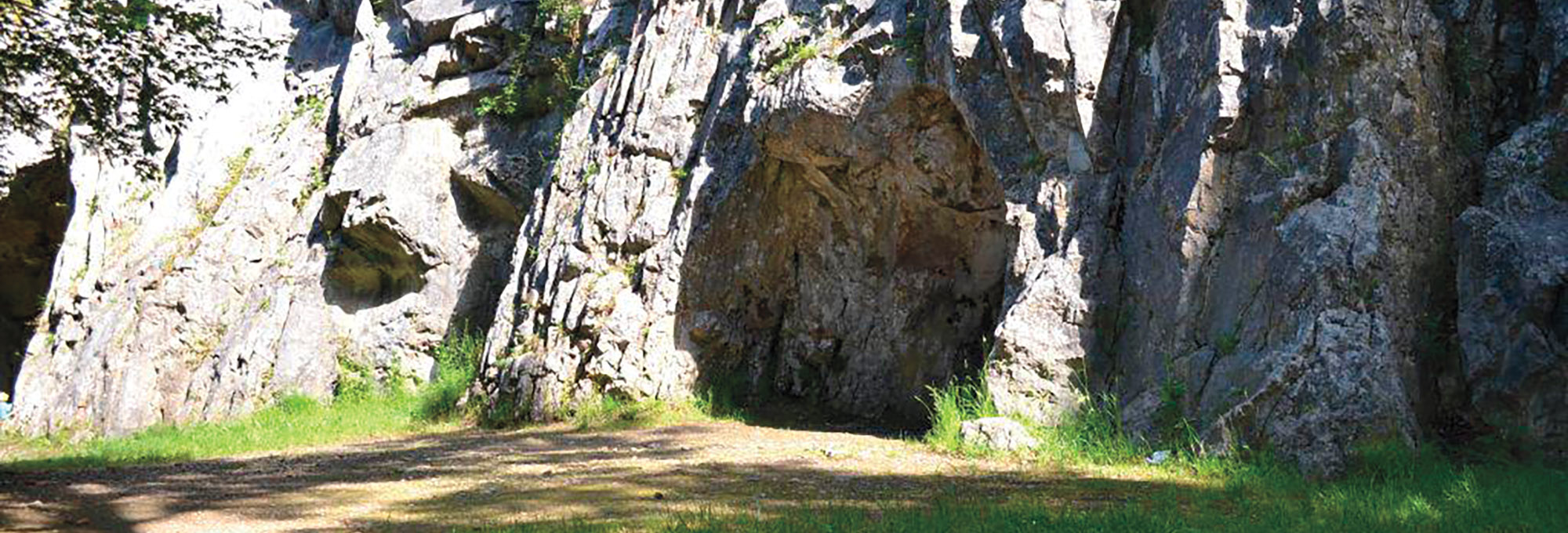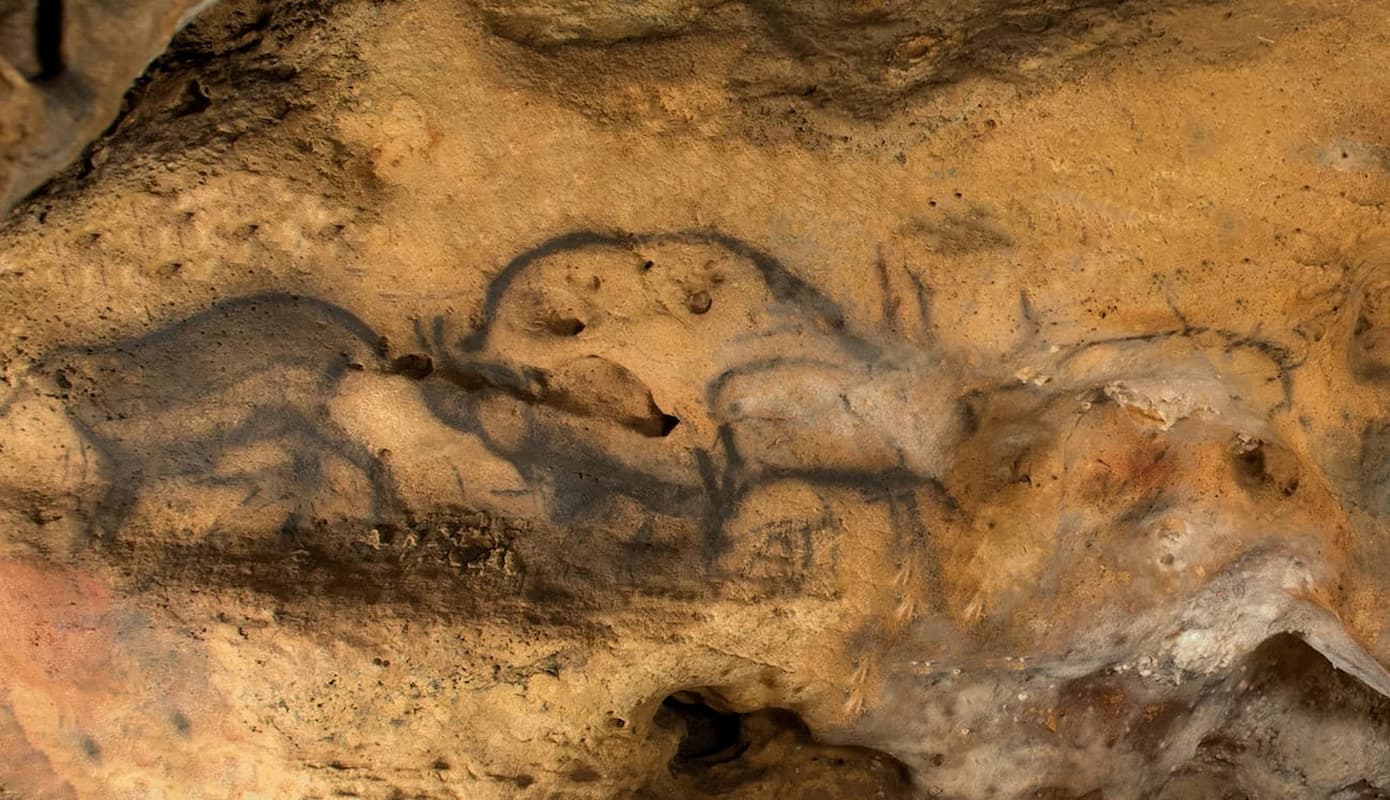

DORDOGNE, FRANCE—La Brújula Verde reports that Paleolithic rock art in southwestern France’s Font-de-Gaume Cave has been radiocarbon dated for the first time by a team of researchers led by Ina Reiche of the French National Center for Scientific Research (CNRS). It had been previously thought that the black lines in Paleolithic rock art were produced solely with iron and manganese oxides, which do not contain carbon, and therefore could not be dated with radiocarbon methods. In the new study, Reiche and her colleagues tested the chemical composition of two black-line images in Font-de-Gaume Cave—a bison and a figure that may represent a face or a mask—with Raman microspectrometry and hyperspectral imaging. Neither of these techniques damaged the artworks. Traces of charcoal were detected in both images, along the perimeters of both figures, indicating that it was not likely to have been deposited by modern contamination. Extremely small samples were then taken from the paintings for carbon-14 testing. The bison was dated to between 13,461 and 13,162 years ago. Several dates were obtained for the face or mask image. One result was between 8,993 and 8,590 years ago, another was between 15,981 and 15,121 years ago, and a third between 15,297 and 14,246 years ago. The researchers suggest that these different dates could indicate that the image had been retouched at different times over a period of several thousand years. In the future, precise dating of rock art could help scientists determine if caves were used continuously or in phases, and whether different images were created by distinct groups of Paleolithic people. The new technique could also help scientists relate cave paintings to changes in the environment and demographic changes that took place during the Paleolithic period. To read more about Paleolithic sites in the Dordogne region, go to "Letter from France: Structural Integrity."