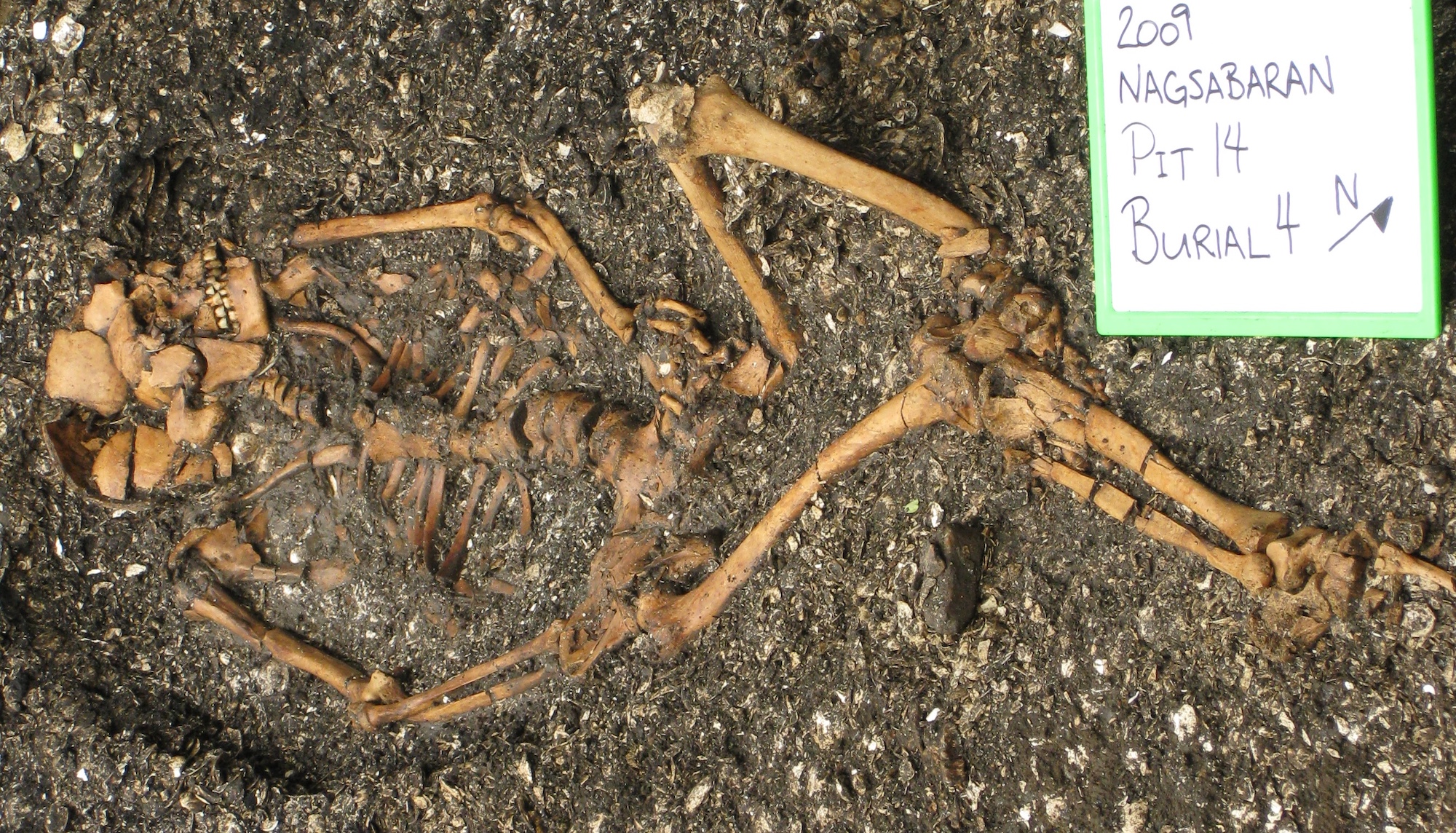
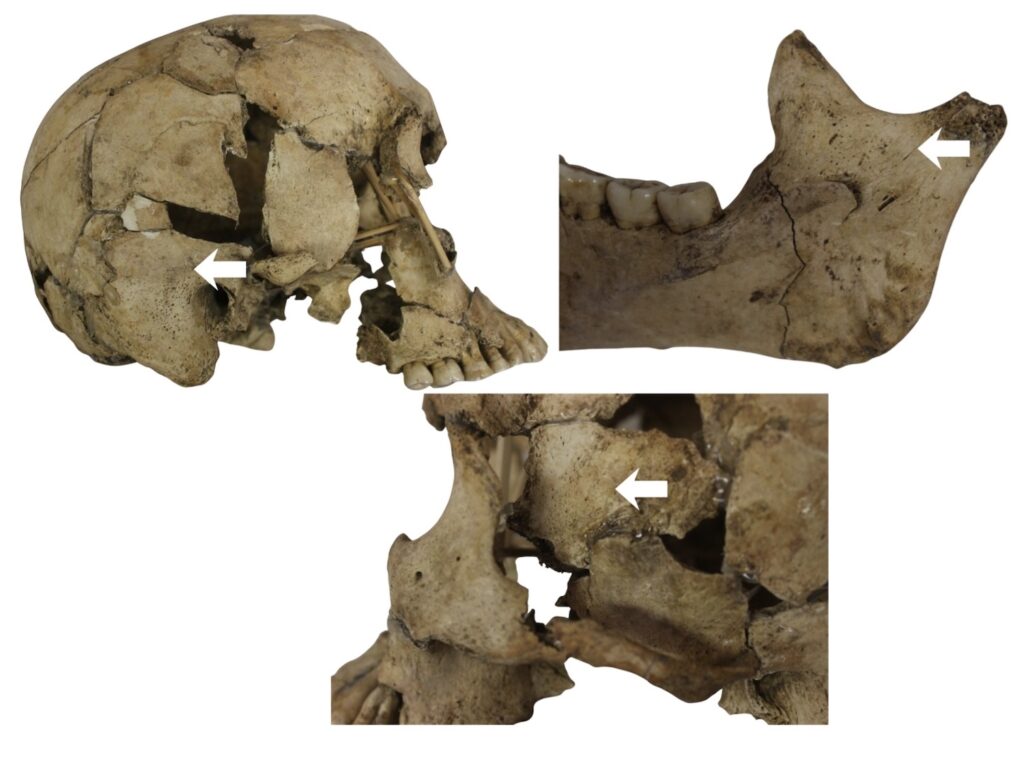
NEW SOUTH WALES, AUSTRALIA—According to a Phys.org report, additional study of the 2,000-year-old remains of a young man found at Nagsabaran, a shell midden on Luzon Island in the northern Philippines, reveals that he suffered from scurvy in addition to hip ankylosis, a fusion of the hip joint that can be caused by trauma, infection, or inflammatory diseases. A disease caused by prolonged vitamin C deficiency, scurvy can inhibit collagen production in the body and may have contributed to this individual’s hip problems. “Scurvy is a micronutrient deficiency, so you don’t necessarily need to be starved to get it; you could be relying on foods high in calories but poor in vitamins,” said Melandri Vlok of Charles Sturt University. This man would have required the care of others, in the form of soft foods and regular repositioning to prevent pressure sores. No grave goods were recovered from his burial, although other adults buried at the site during the same period were accompanied by Indo-Pacific glass beads, ceramics, metal artifacts, and animal bones that were probably left as food offerings. “So, there is perhaps some differential treatment in death for this person,” said Chloe Boucher of Charles Sturt University. “What this difference represents, we don’t really know.” For more on the archaeology of the Philippines, go to "A Very Long Way to Eat Rhino."