Neanderthals May Have Used Birch Tar to Treat Wounds

News March 24, 2026

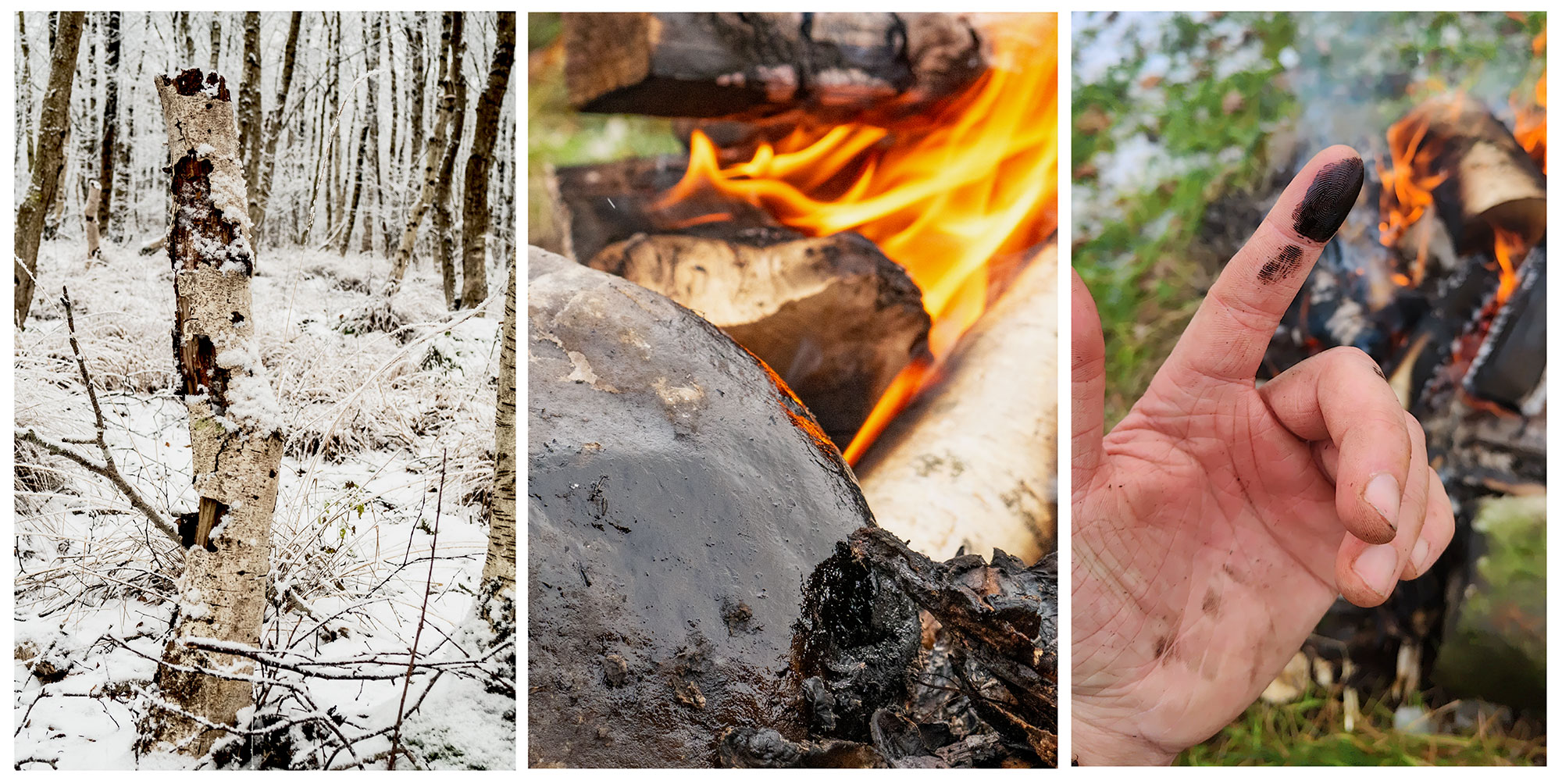
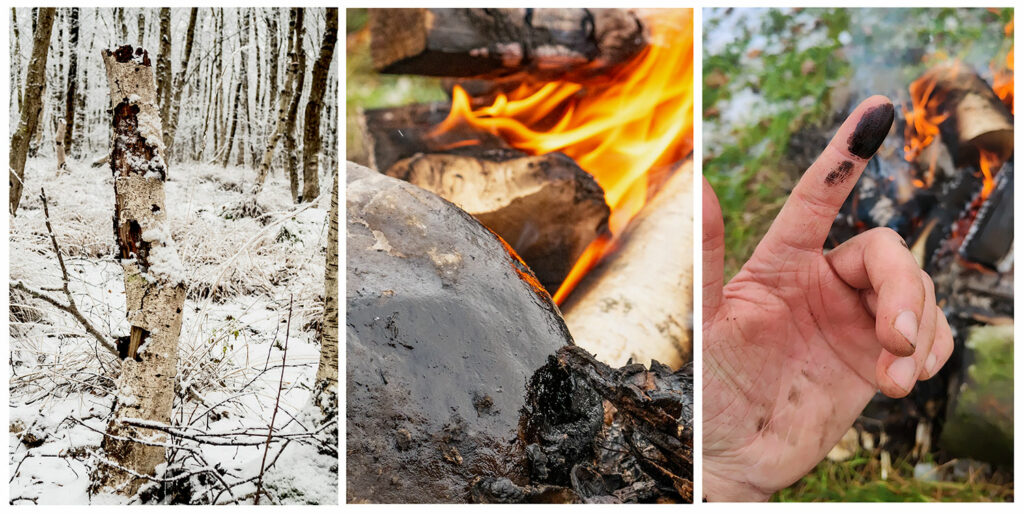
The bark of birch trees (left) has been used to produce tar for more than 150,000 years. Birch bark tar (center) is shown condensed onto a rock next to a hearth. When scraped off the rocks, the viscous tar (right) can be used as both an adhesive and antibiotic.
Tjaark Siemssen, CC-BY 4.0
SHARE:

COLOGNE, GERMANY—According to a statement released by the Public Library of Science, Neanderthals may have used birch-bark tar to treat their wounds. The hominins are known to have used the tar as an adhesive to assemble tools. Tjaark Siemssen of the University of Cologne and the University of Oxford and his colleagues noted that Indigenous communities in northern Europe and Canada use birch tar to treat wounds. The researchers extracted tar from living birch trees using methods that would have been available to Neanderthals, such as distillation of tar in a clay pit and condensation of tar against a stone surface. These tar samples, taken from species of trees that grow at Neanderthal sites, were then exposed to different strains of bacteria. All of the tar samples were found to be effective at hindering the growth of Staphylococcus bacteria, which causes infections in wounds. “The messiness of birch tar production deserves a special mention,” Siemssen said. “Every step of the production is a sensory experience in itself, and getting the tar off our hands after spending hours at the fire has been a challenge every time.” Read the original scholarly article about this research in PLOS One. To read about a later use of birch tar as adhesive for arrows, go to "Weapons of the Ancient World: Hunting Equipment."
  • Features March/April 2026

    Pompeii's House of Dionysian Delights

    Vivid frescoes in an opulent dining room celebrate the wild rites of the wine god

    Read Article
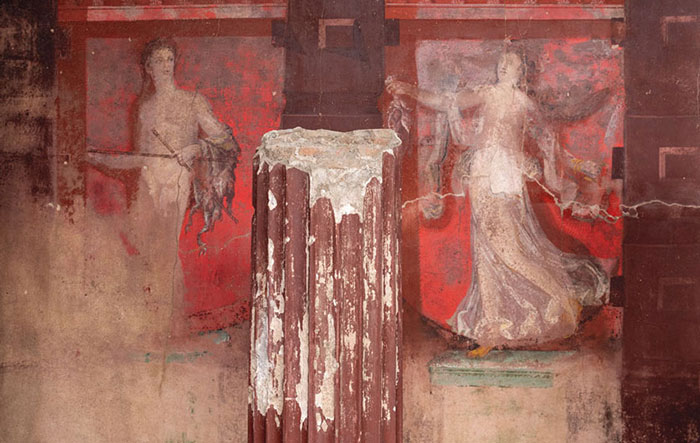
    Frescoed panels in the House of the Thiasus portray a satyr (left) and a woman (right)
    Courtesy Archaeological Park of Pompeii
  • Features March/April 2026

    Return to Serpent Mountain

    Discovering the true origins of an enigmatic mile-long pattern in Peru’s coastal desert

    Read Article
    Courtesy J.L. Bongers
  • Features March/April 2026

    Himalayan High Art

    In a remote region of India, archaeologists trace 4,000 years of history through a vast collection of petroglyphs

    Read Article
    Matt Stirn
  • Features March/April 2026

    What Happened in Goyet Cave?

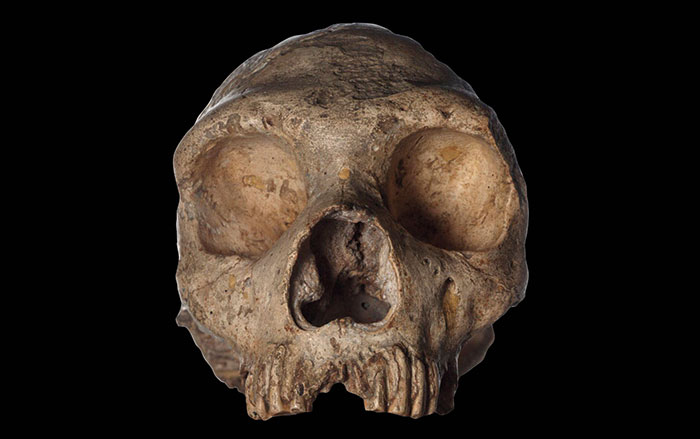
    New analysis of Neanderthal remains reveals surprisingly grim secrets

    Read Article
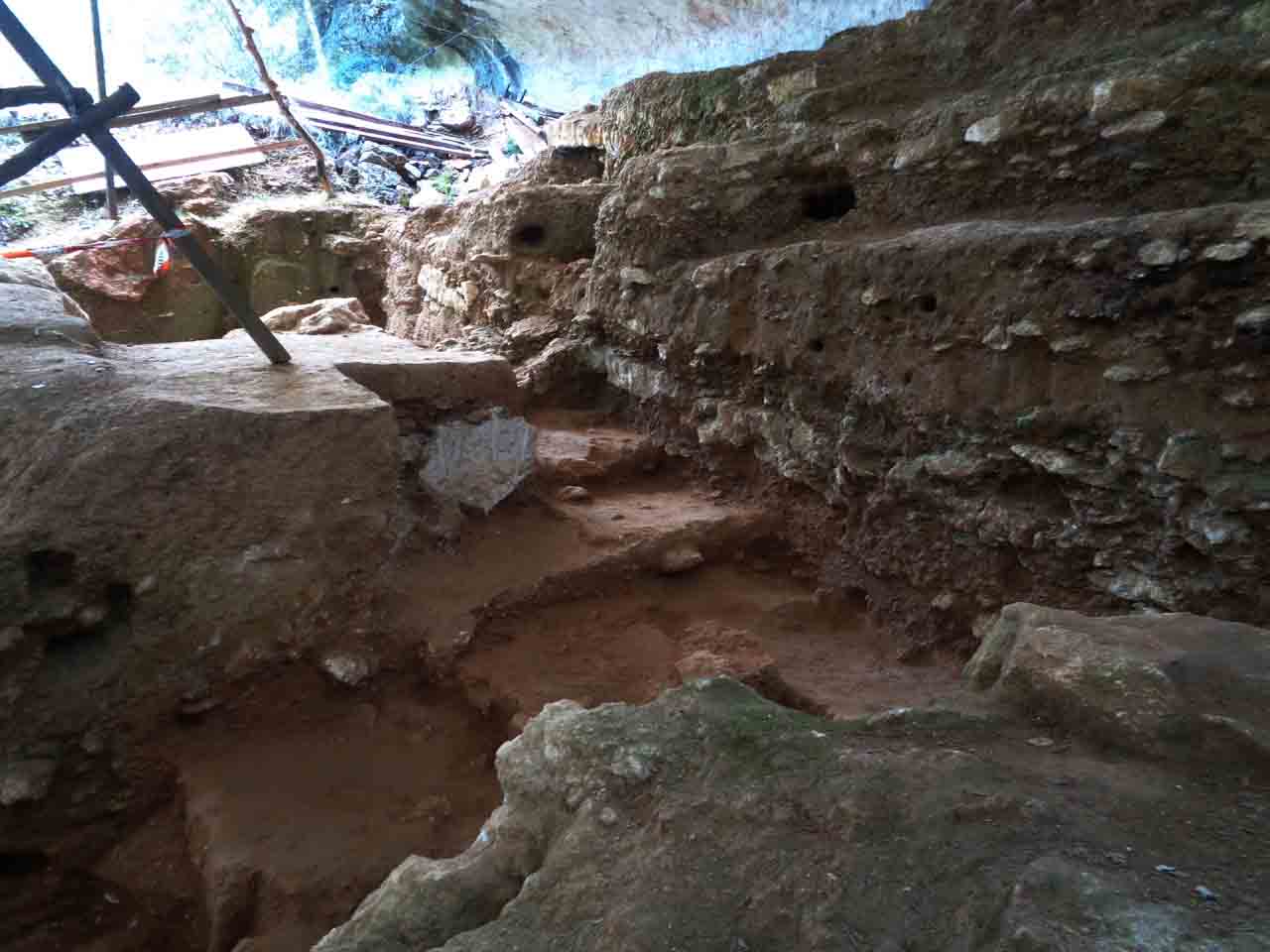
    The Third Cave, one of the galleries in a cave system in central Belgium known as the Goyet Caves
    IRSNB/RBINSL