

NEW HAVEN, CONNECTICUT—A genetic study of Neanderthal remains recovered from Denisova Cave in Siberia’s Altai Mountains revealed that two individuals who lived 10,000 years apart belonged to closely related lineages linked to each other by a common ancestor, according to a Live Science report. The first individual, known as D17, was male and lived about 110,000 years ago. The second genome belonged to a female, known as D5, who lived about 120,000 years ago. “It is likely that Denisova Cave was part of a broader landscape used repeatedly by these Neanderthal populations over time, rather than a site occupied by a single continuous group,” said Diyendo Massilani of the Yale School of Medicine. The study also suggests that Neanderthals who inhabited the Altai region lived in small, isolated populations, since the individuals had large sections of identical DNA. D17 and D5 were more closely related to each other than to Neanderthal populations in Europe or later Neanderthal populations in the Altai region. “What is striking in our results is just how differentiated these populations could become,” Massilani concluded. Read the original scholarly article about this research in Proceedings of the National Academy of Sciences. For more, go to "Denisovan DNA."
Neanderthals from Denisova Cave Were Related
News April 1, 2026
Recommended Articles
Top 10 Discoveries of the Decade January/February 2021
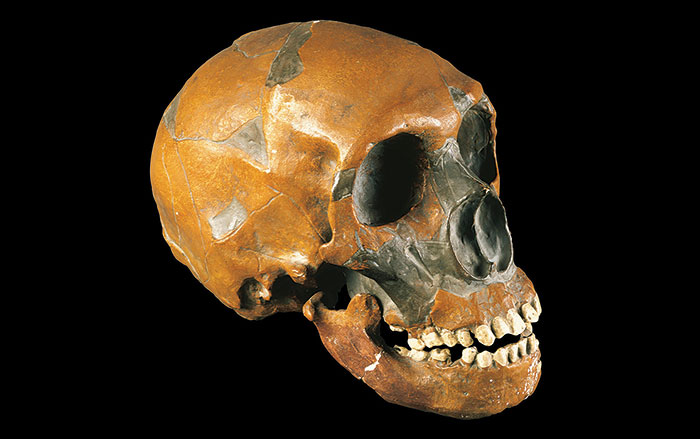
Neanderthal Genome
Vindija Cave, Croatia, 2010
Digs & Discoveries September/October 2021
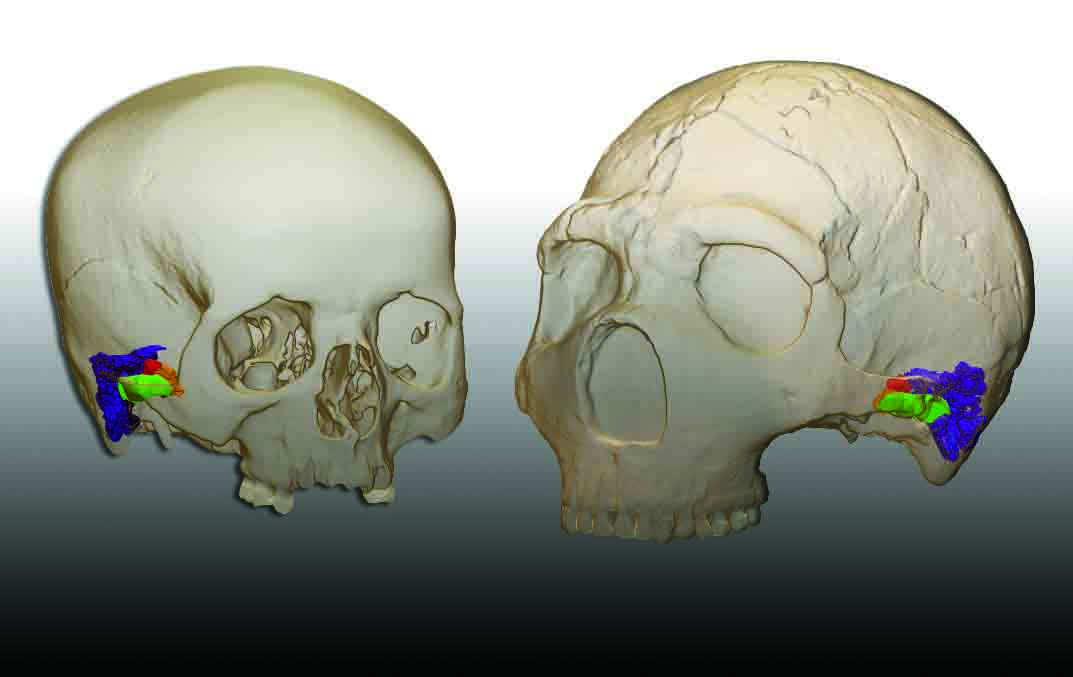
Neanderthal Hearing
Digs & Discoveries November/December 2020
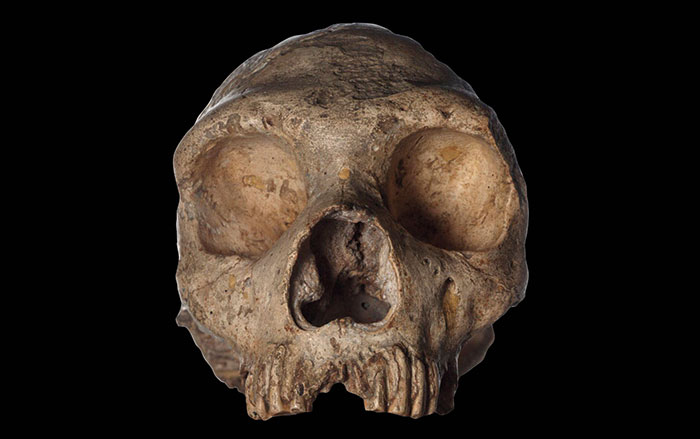
Painful Past
Digs & Discoveries July/August 2020
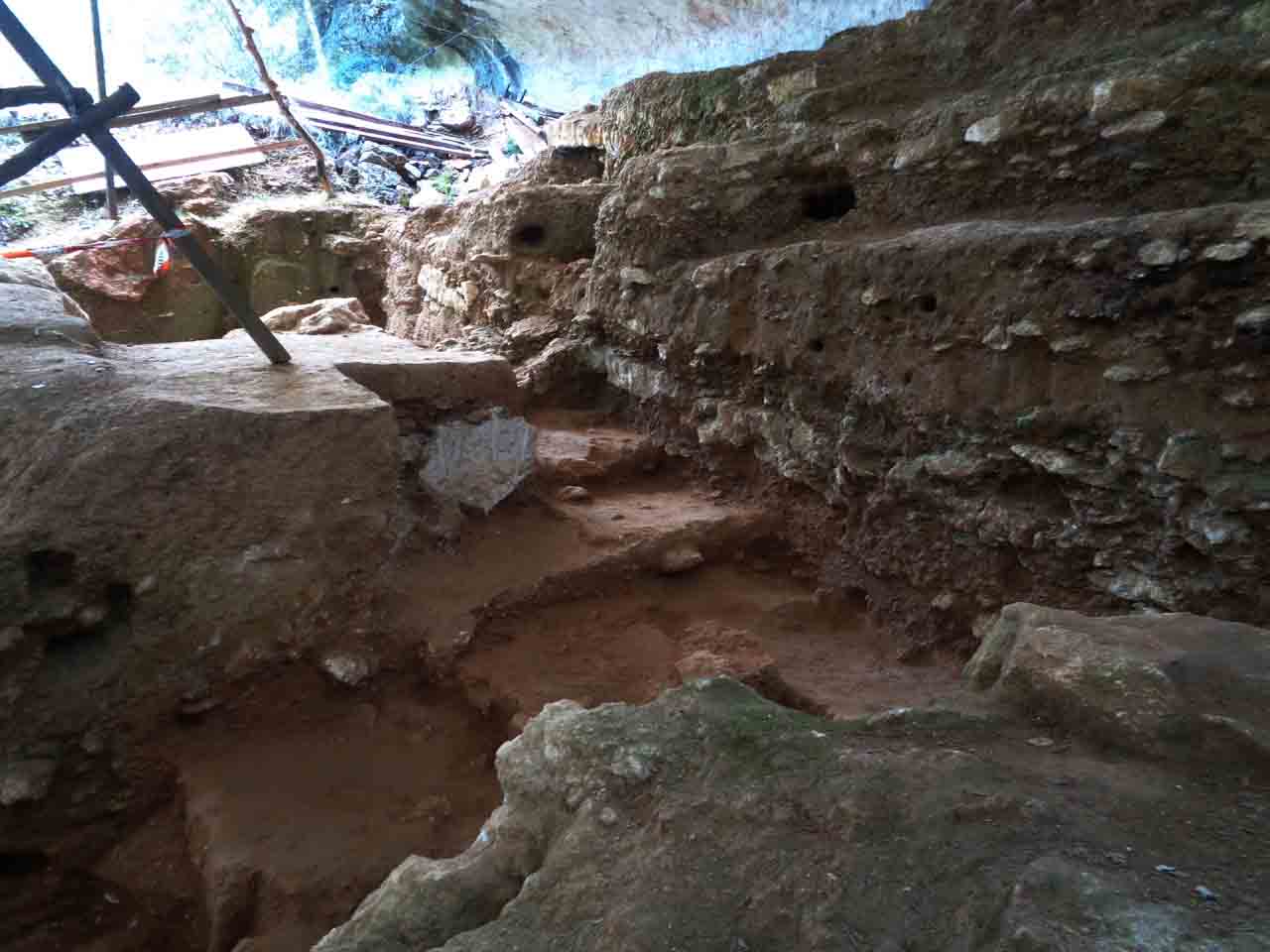
Twisted Neanderthal Tech
More to Discover
Features March/April 2026
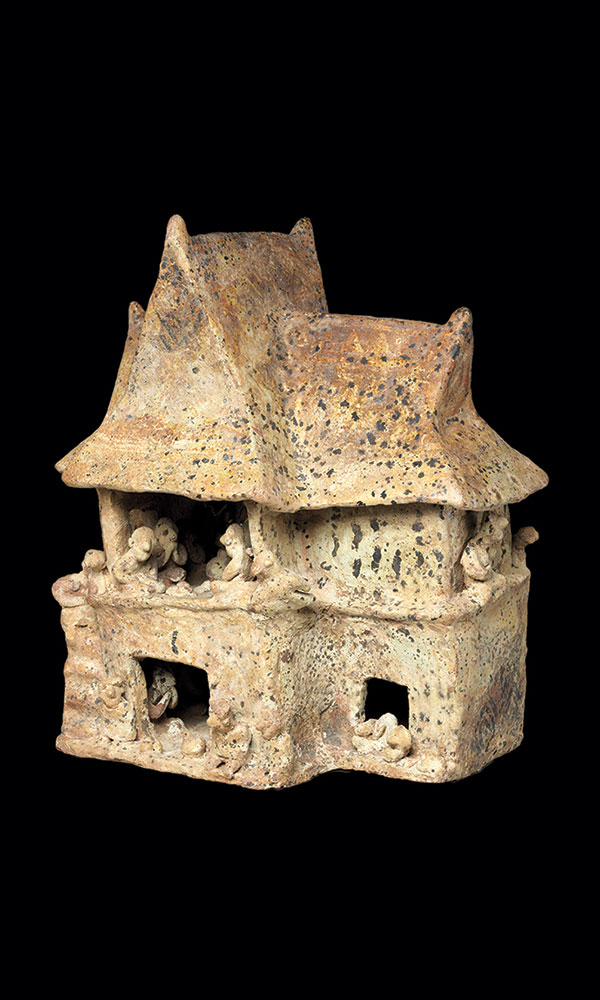
Model Homes
A look inside miniature worlds created for the living, the dead, and the divine

-
Features March/April 2026
Pompeii's House of Dionysian Delights
Vivid frescoes in an opulent dining room celebrate the wild rites of the wine god
 Courtesy Archaeological Park of Pompeii
 -
Features March/April 2026
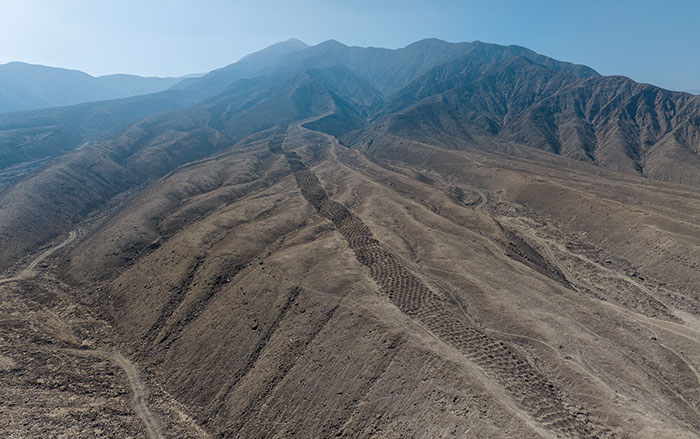
Return to Serpent Mountain
Discovering the true origins of an enigmatic mile-long pattern in Peru’s coastal desert
 Courtesy J.L. Bongers
 -
Features March/April 2026
Himalayan High Art
In a remote region of India, archaeologists trace 4,000 years of history through a vast collection of petroglyphs
 Matt Stirn
 -
Features March/April 2026
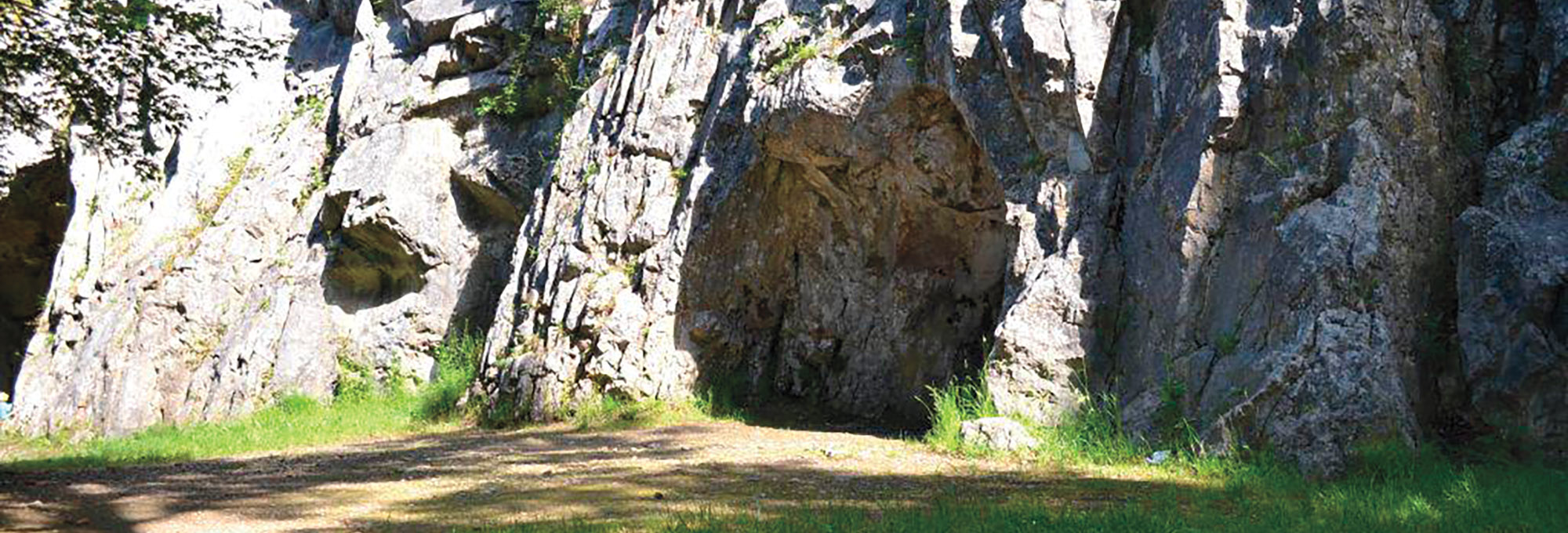
What Happened in Goyet Cave?
New analysis of Neanderthal remains reveals surprisingly grim secrets
 IRSNB/RBINSL