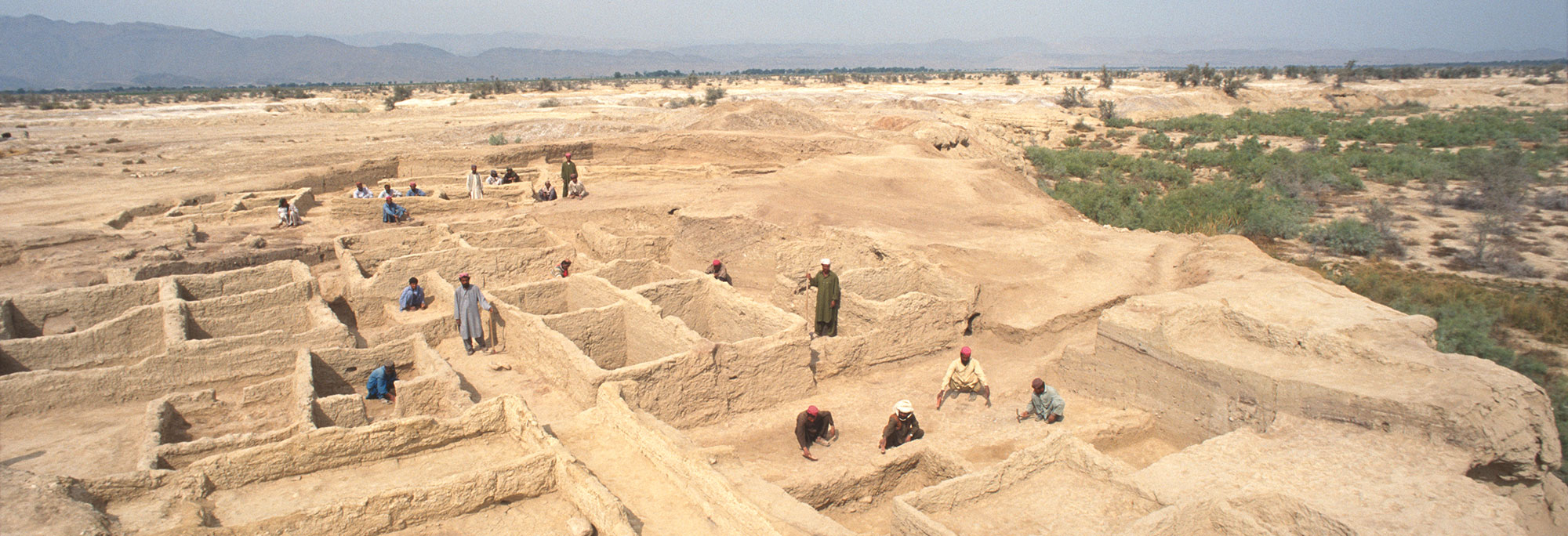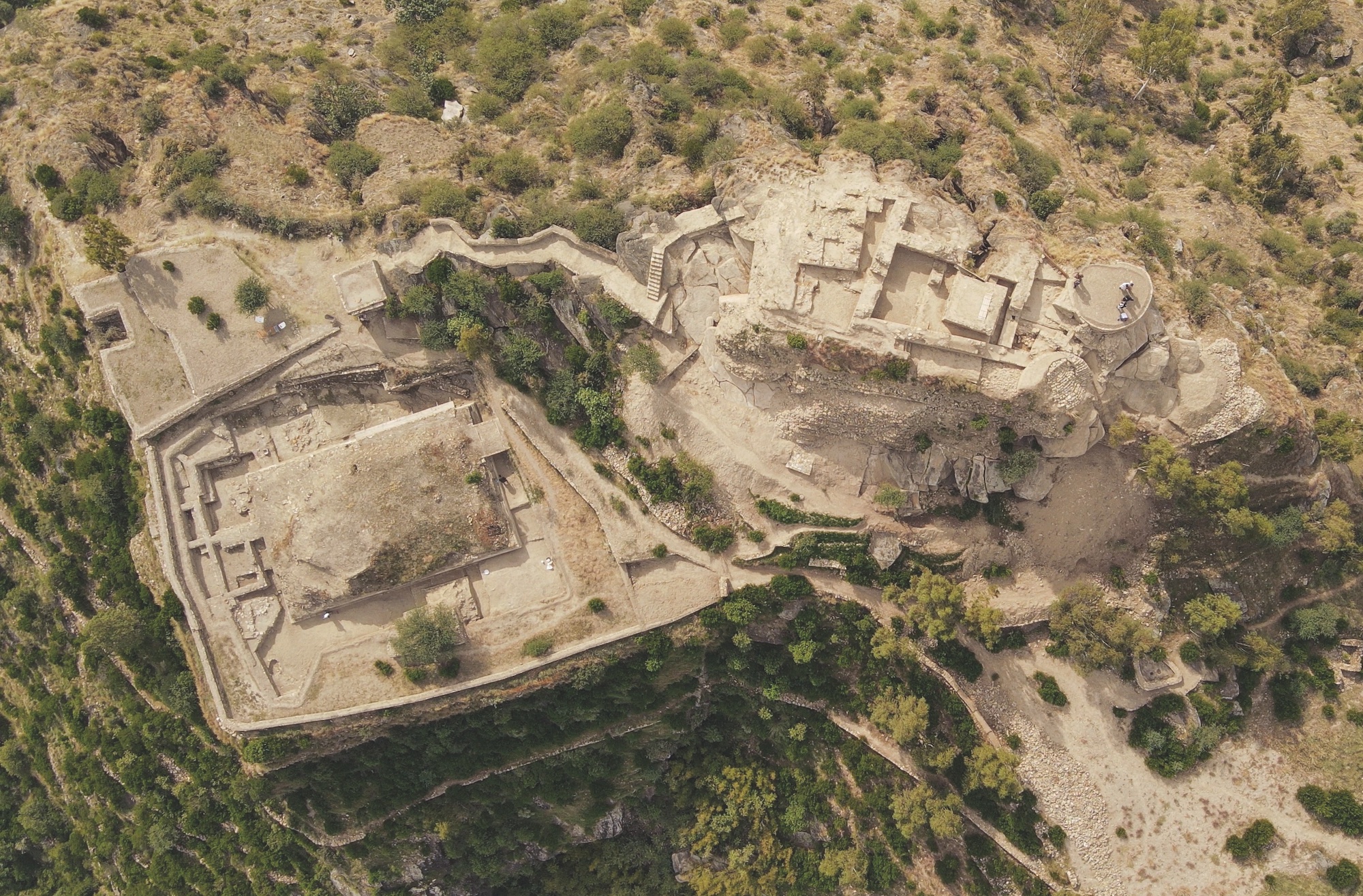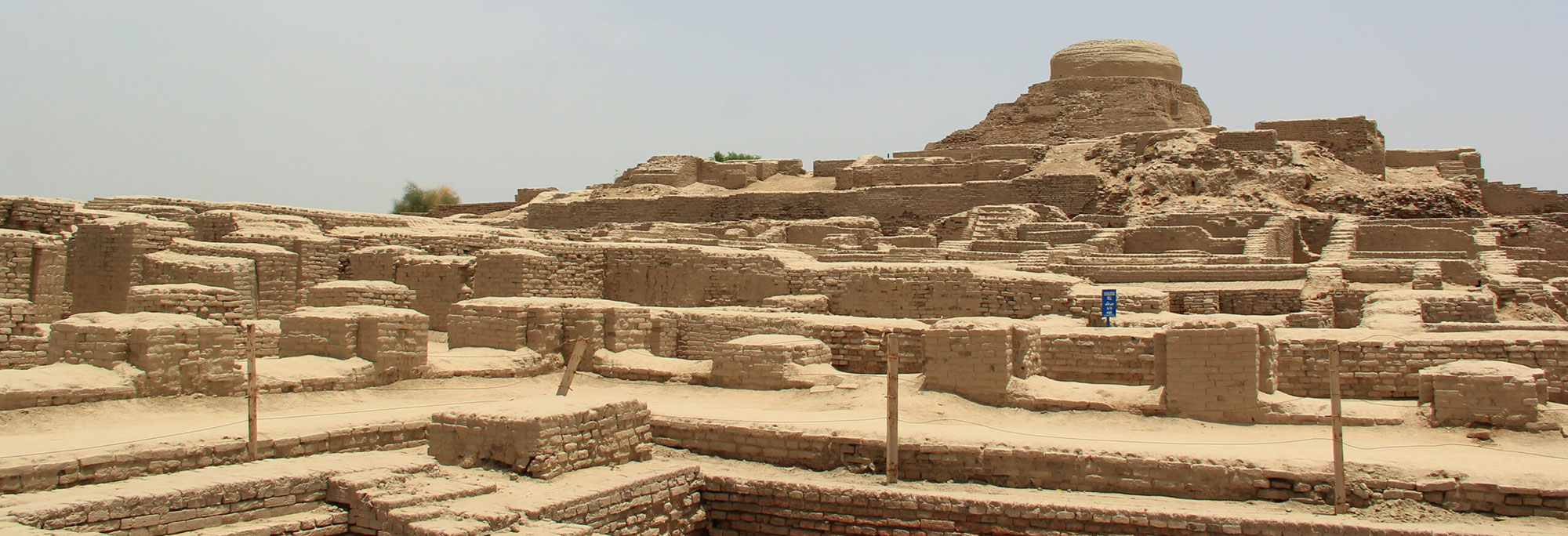
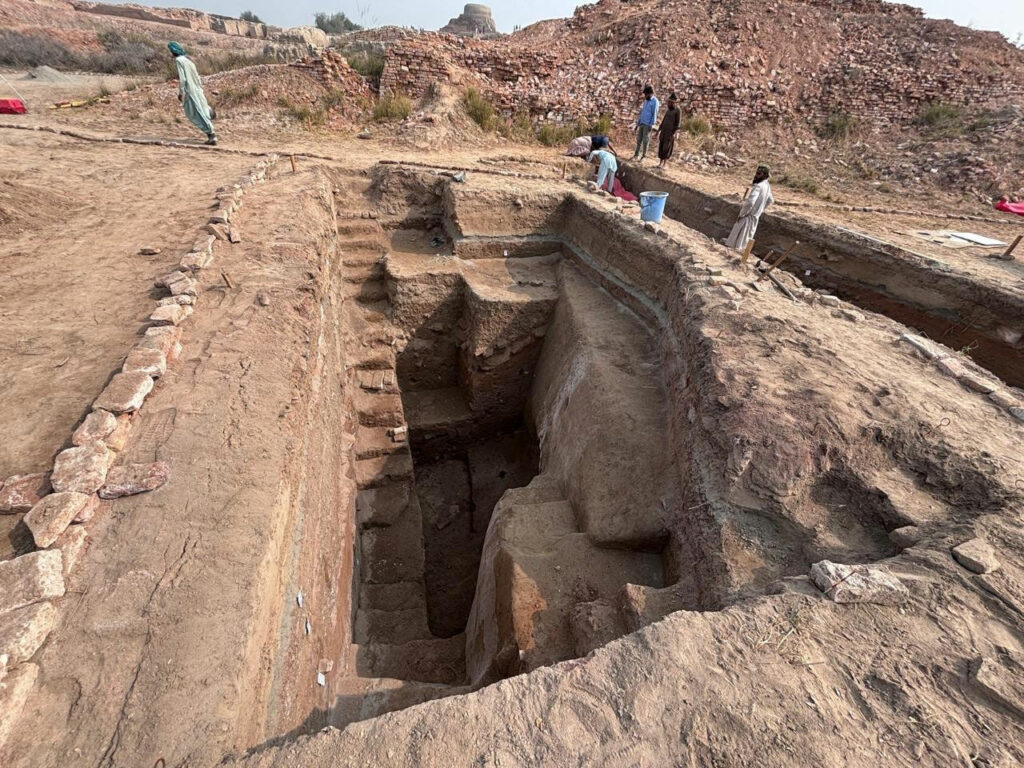
SINDH, PAKISTAN—New radiocarbon dates for Mohenjo-Daro obtained by archaeologists at the Sindh Directorate General of Antiquities & Archaeology indicate that the city on the banks of the Indus River in southwestern Pakistan was occupied as early as 2700 to 2600 B.C., about two hundred years earlier than previously thought, according to an IFL Science report. The site is known for its burnt-brick structures spread over some 590 acres, where at least 40,000 people are thought to have lived. Evidence for a system of water infrastructure, including baths, wells, and sewage pits, has been found among the city ruins. Samples for the new radiocarbon dates were taken in the upper part of the city, from the mudbrick wall that surrounds the western Stupa Mound. The researchers also determined that these walls were expanded and maintained until at least 2200 B.C. They plan to trace the wall around the Stupa Mound, looking for traces of gates and studying how it functioned. For more on the site, go to "Mohenjo-Daro's Buddhist Past."