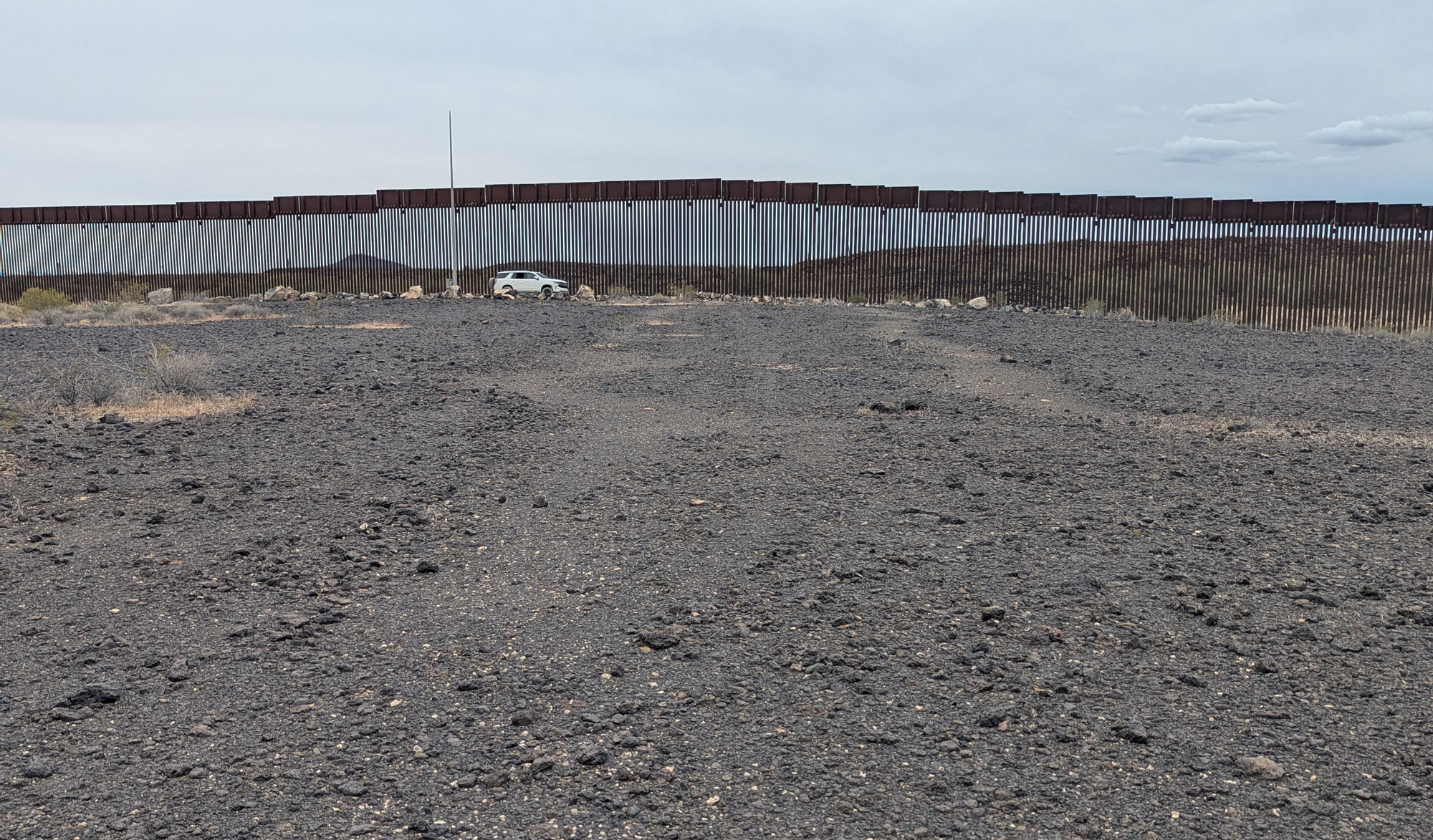
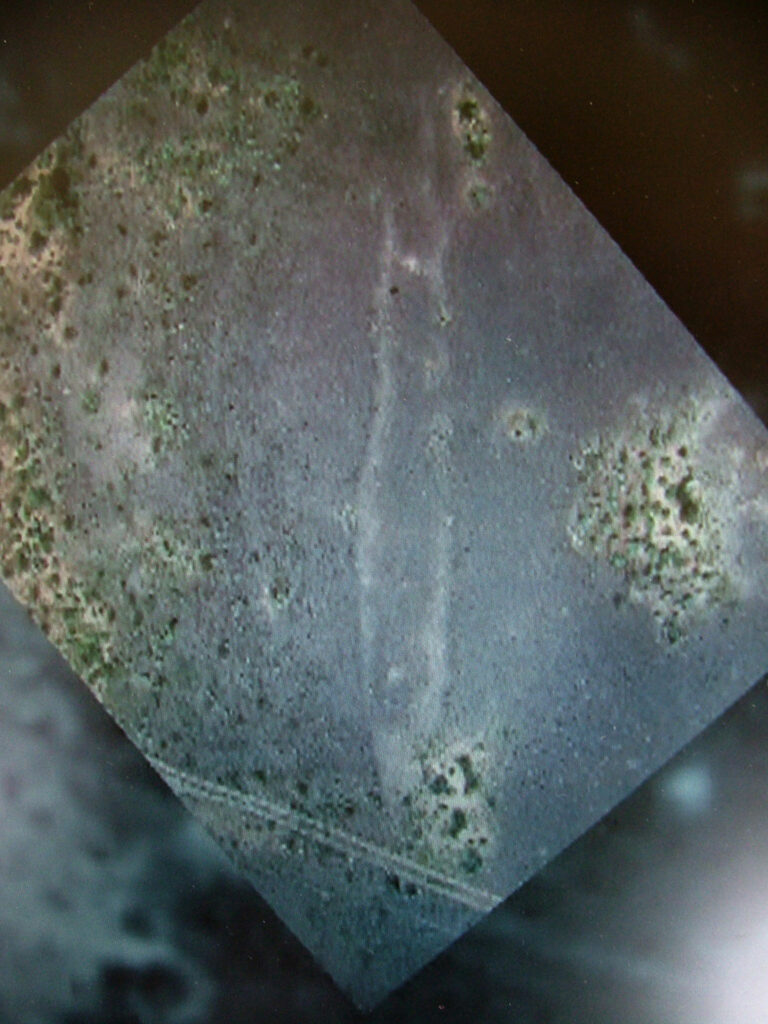
AJO, ARIZONA—According to a Washington Post report, an intaglio that looks like a fish has been damaged in southwestern Arizona by construction crews building a second wall on the border with Mexico parallel to the first. Waivers issued by the Department of Homeland Security exempted border wall construction crews from laws requiring the protection of Indigenous archaeological sites and the environment. Located inside Cabeza Prieta National Wildlife Refuge, the Las Playas intaglio, which is estimated to be more than 1,000 years old and measured about 200 feet long when intact, was recorded by archaeologists Richard Martynec and Sandra Martynec in 2002. About 60 to 70 feet of the ancient etching was destroyed by the border wall contractor. “The remaining portion of the site has been secured and will be protected in place,” said Rodney Scott, Customs and Border Patrol Commissioner. “There are very few intaglios in this area, so by losing part of it, it’s a big deal,” commented archaeologist Sandra Martynec. To read more about artwork in the American Southwest, go to "Birds of a Feather."