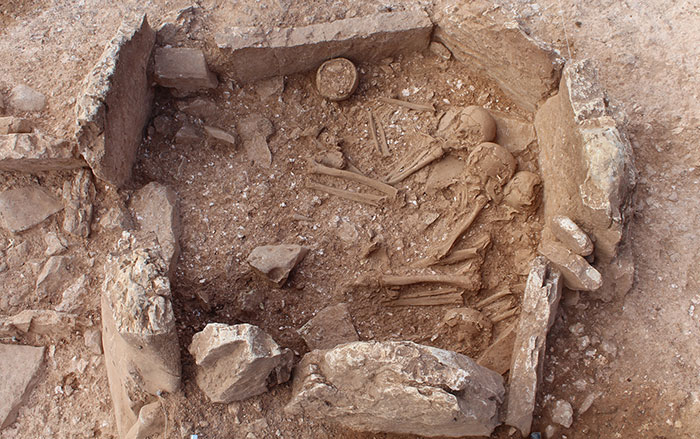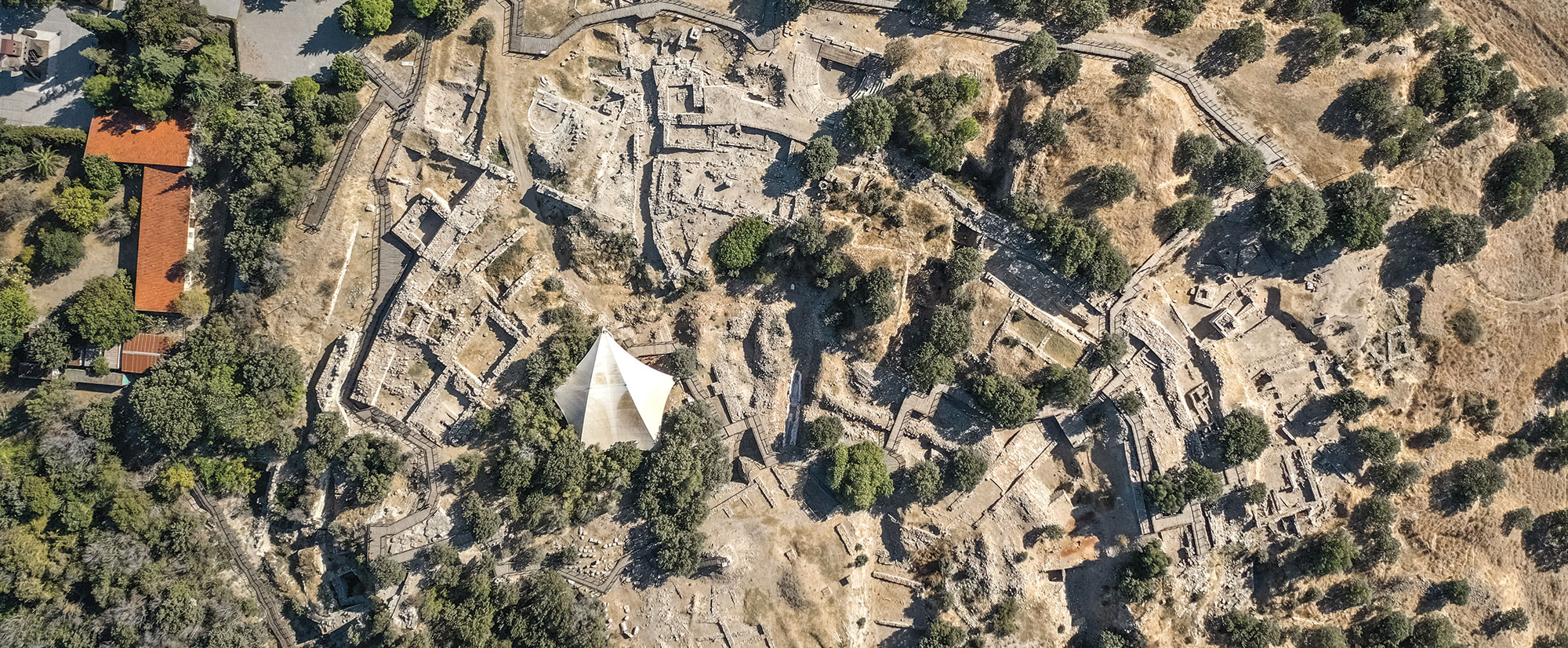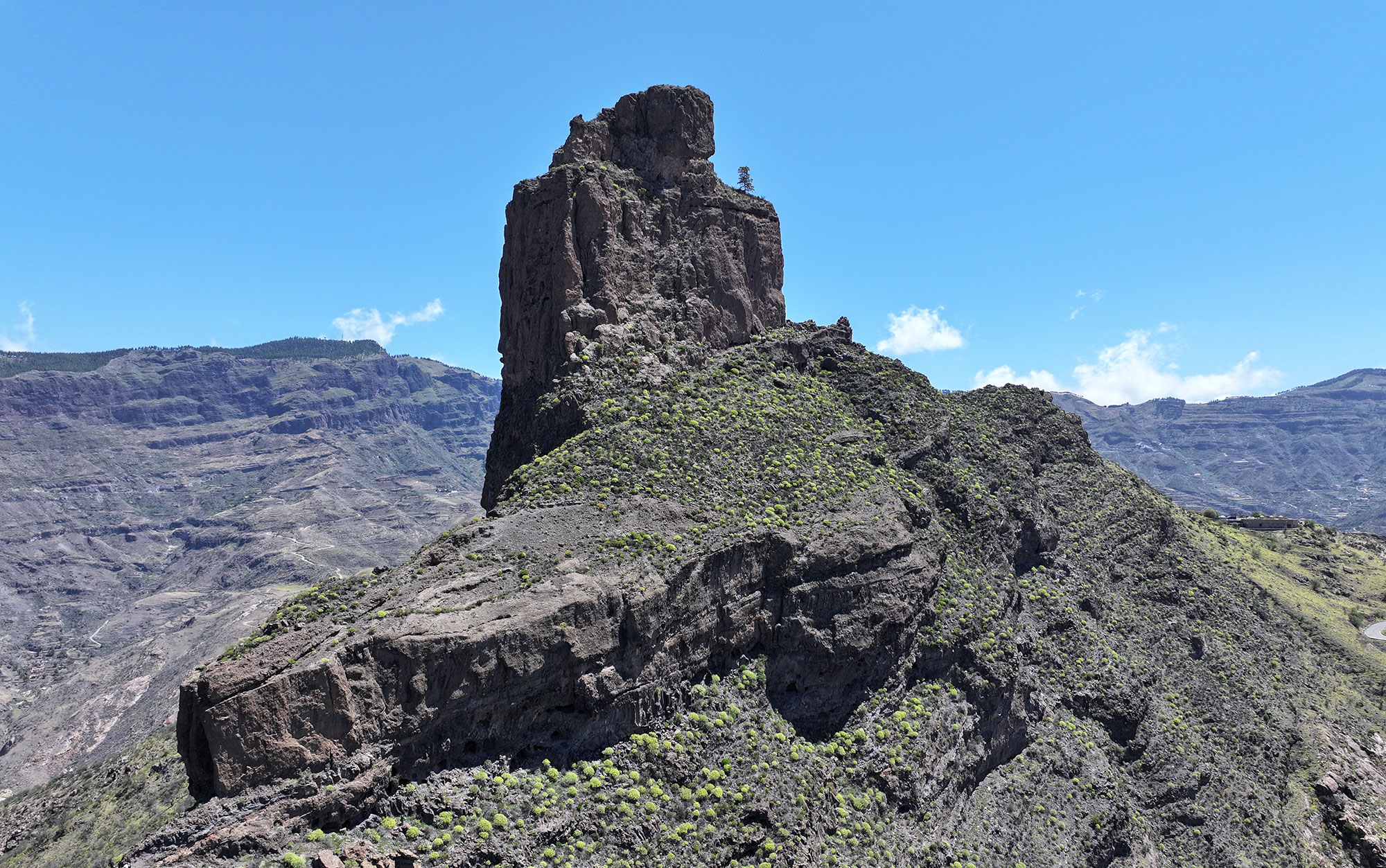
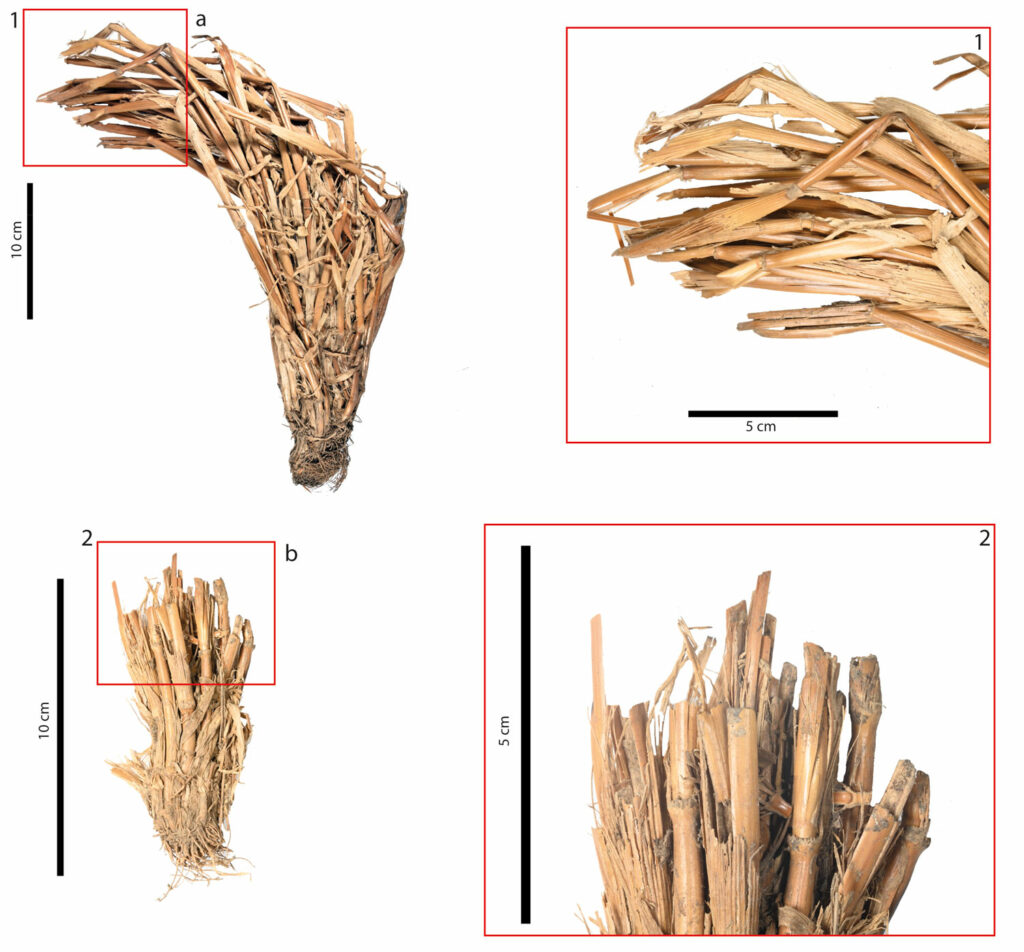
BENTAYGA, CANARY ISLANDS—Archaeologists uncovered the earliest known evidence of cereal harvesting in the Canary Islands, according to a report in La Brújula Verde. The discovery was made at the C008 cave complex at the Roque Bentayga rock formation on Gran Canaria. The site was likely used as a granary, for plant processing, and, later, as a burial ground by the ancient Canarians, a people of Amazigh, or Berber, origin, between the tenth and the thirteenth centuries. Excavations within the caves yielded over 200 lithic artifacts. Microscopic analyses of wear patterns on some of the objects, particularly a small basalt knife, determined that they were consistent with markings on tools such as sickles that were repeatedly used for cutting the stems of barley plants. Prior to the recent discovery, scholars had debated whether such technology was available to the archipelago’s original inhabitants before the Spanish conquest in the fifteenth century. Read the original scholarly article about this research in the Journal of Archaeological Science: Reports. For more on the Berbers, go to "Islam North of the Pyrenees."