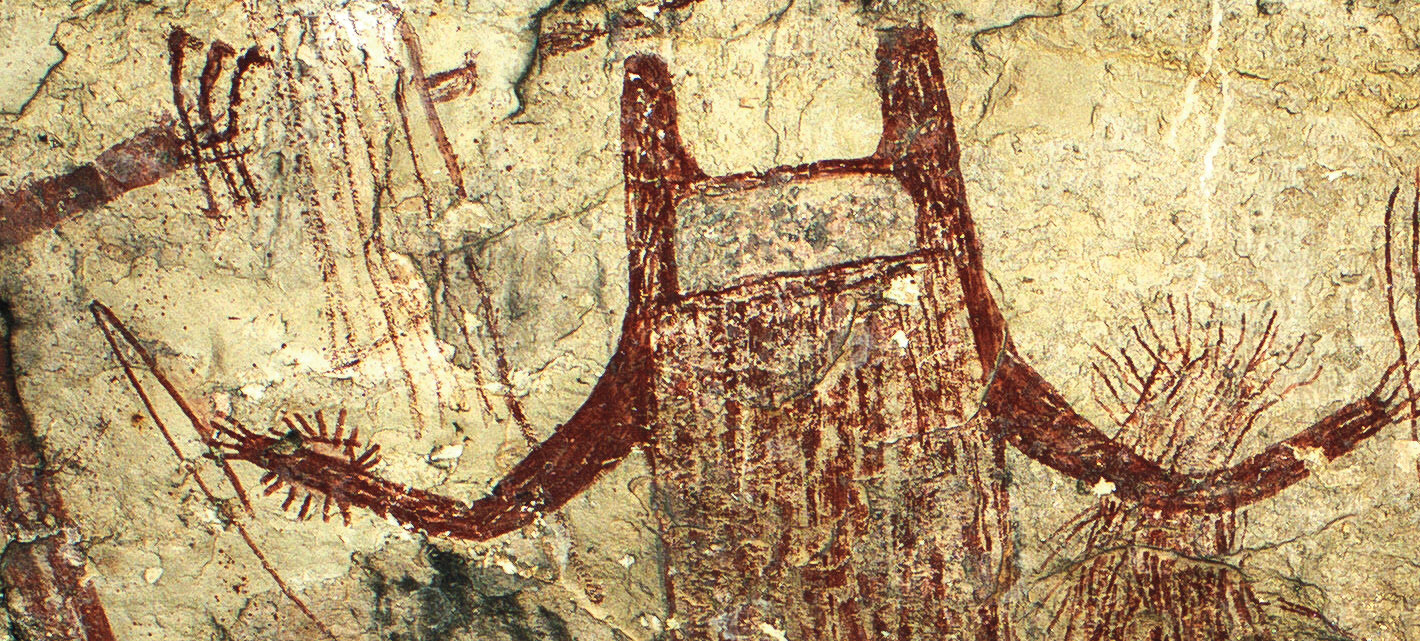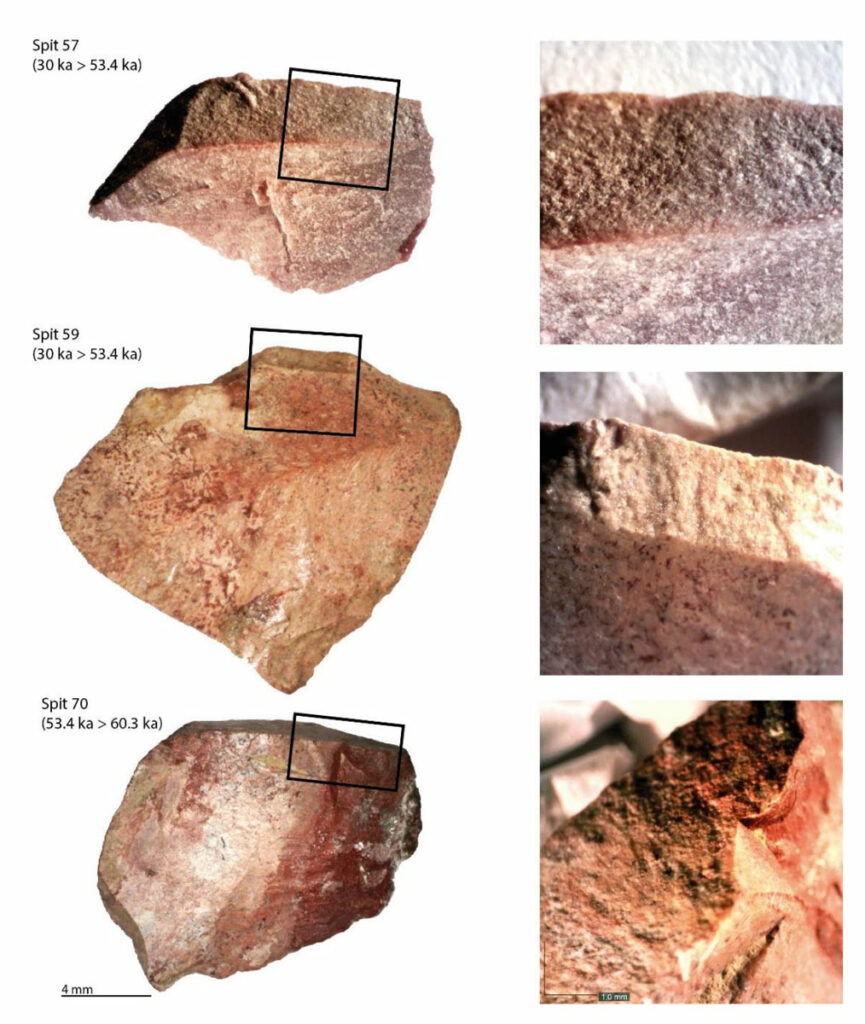
ARNHEM LAND, AUSTRALIA—According to a Phys.org report, Patrick Schmidt of the University of Tübingen and Peter Hiscock of the University of Queensland reanalyzed stone tools from two archaeological sites in Australia’s Northern Territory. It had been previously thought that heating rocks as part of the knapping process began in Australia about 40,000 years ago. Heat-treating the minerals helps the process along, Schmidt said, by forming new atomic bonds in the rocks. “This leads to the loss of pore space, allowing better force transmission when a fracture runs through the material. In terms of stone knapping, this means that less force is needed to make flakes and blades,” he explained. In general, toolmakers in Africa and Eurasia developed such heating techniques while using silcrete. Moisture trapped in chert, a marine rock, makes it more difficult to heat. Yet many of the stone tools found at the site of Nauwalabila were made of chert and had been heat treated as early as 60,000 years ago. This heating was likely intentional since the stones were knapped before and after heating, the researchers explained. But at the site of Madjedbebe, many of the tools were made of silcrete, and no chert tools were recovered. No evidence for heating chert has been found to date along Southeast Asian migration routes, so it is unclear how early Australians learned these techniques. The researchers also note that chert was heated in the north of Australia, where chert is plentiful, but in the south and southeast, silcrete is abundant in the landscape, and heated silcrete is more likely to be recovered at southern archaeological sites. “I think the next step should be to obtain a better resolution of chert and silcrete heat treatment in Australia by conducting studies at different sites across the continent,” Schmidt concluded, and in South and Southeast Asia. Read the original scholarly article about this research in the Journal of Paleolithic Archaeology. To read about evidence of rock crystal knapping uncovered in England, go to "Neolithic Crystal Age."