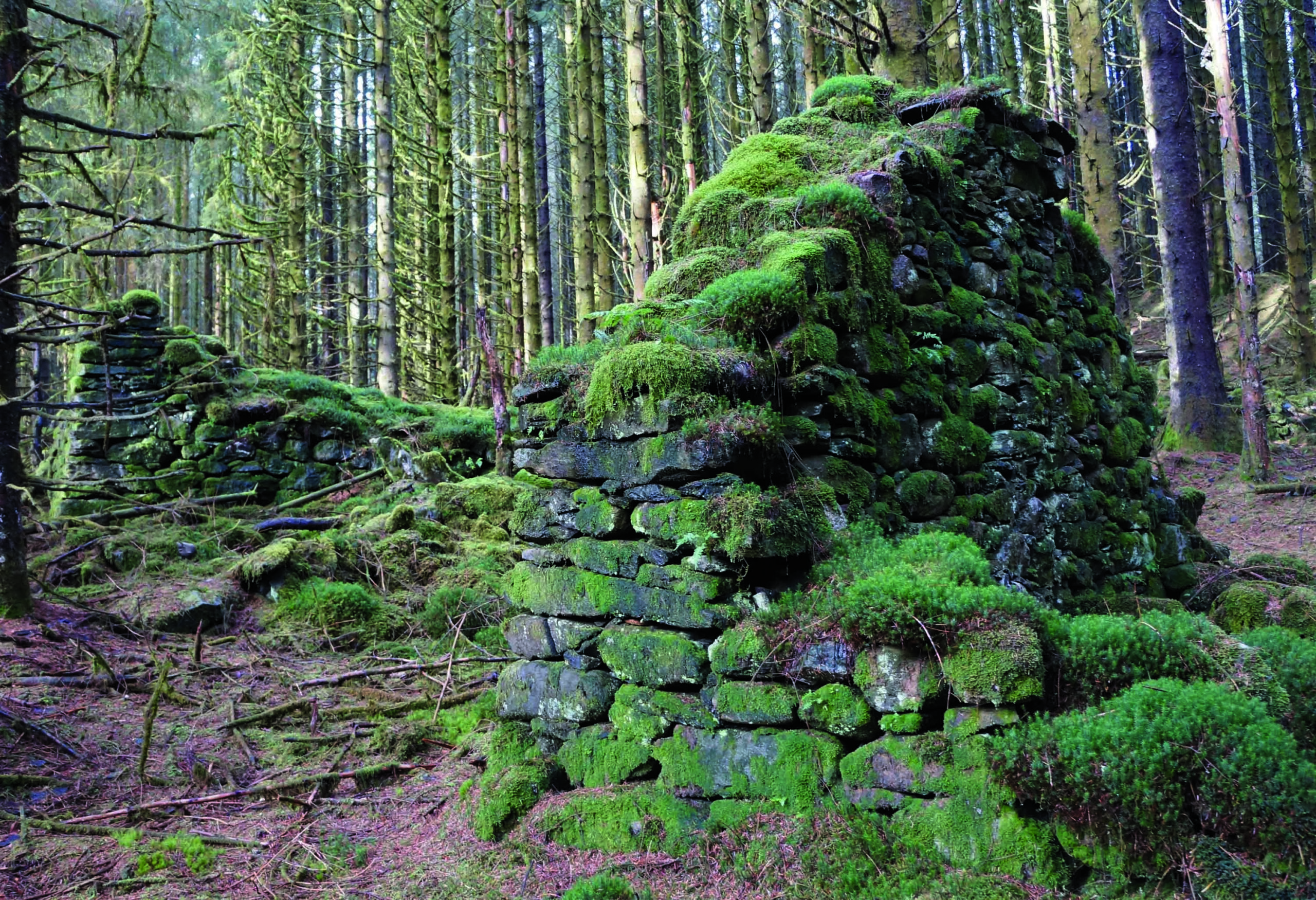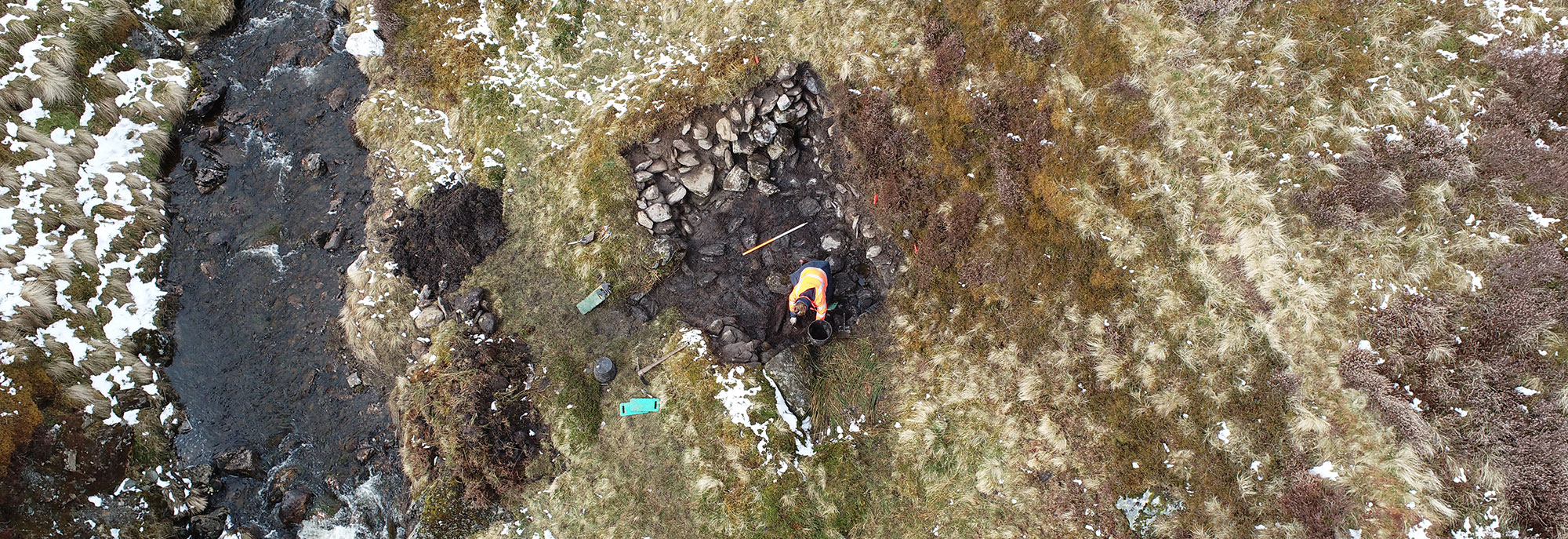
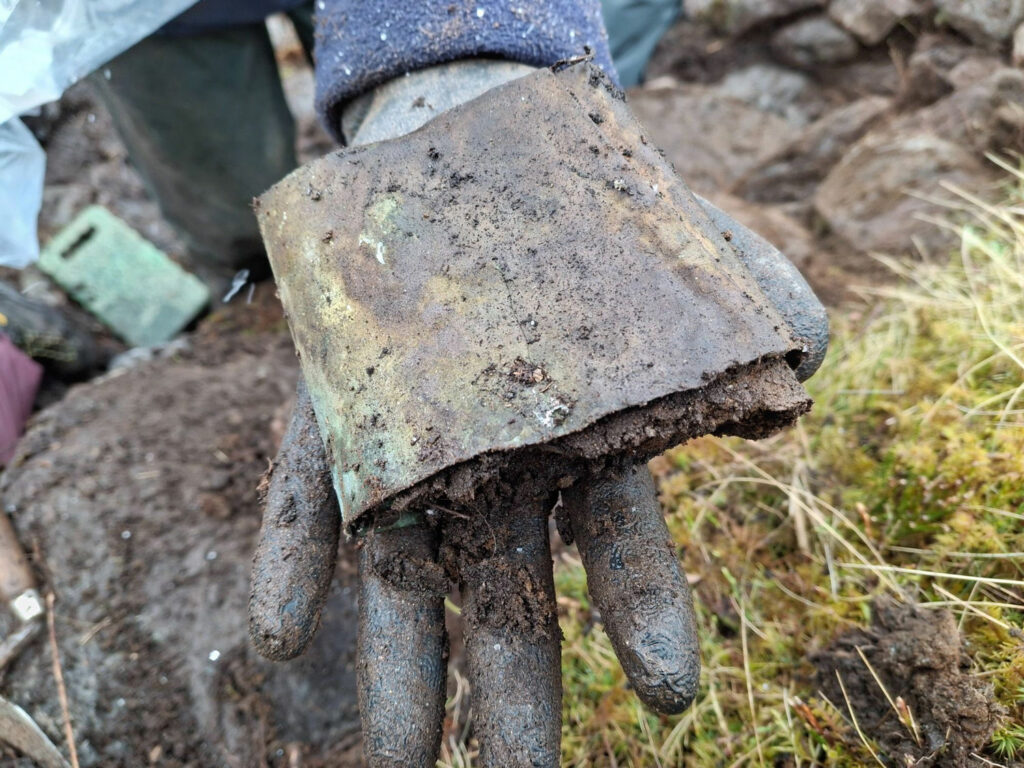
KILLIN, SCOTLAND—According to a Herald Scotland report, National Trust for Scotland archaeologists, assisted by volunteers, recovered a piece of copper alloy from a stone structure in Highland Scotland’s Ben Lawers National Nature Reserve that may have been used to distill whisky in secret to avoid paying taxes that had been levied beginning in the 1780s. The researchers suggest that the copper part is a piece known in Gaelic as An Gearradan, or the collar connecting a still to its lyne arm, which controlled how much vapor returned to the pot and therefore controlled the flavor of the finished product. The team also found a hearth and evidence of burning, a stone-capped drain that ran beneath the floor, and a timber roof support post at the site. This is the fifth illicit distillery discovered in the nature reserve. “In the early nineteenth century, illicit whisky distilling in these hills became a real battle of wits between excise officers and distillers,” said archaeologist Derek Alexander. “To find the remains of stills in these upland areas, you need to think like an excise officer. Those who distilled spirit in this bothy will have picked the location carefully to make sure they were well hidden,” he explained. The discovery of the connecting piece suggests that this still had not been discovered by the authorities, who would have destroyed it. Rather, whisky smugglers likely dismantled the still in a hurry and dropped the copper part as they escaped. To read about an illicit whisky distillery identified amid the ruins of a Scottish farmstead, go to "Still Standing."