

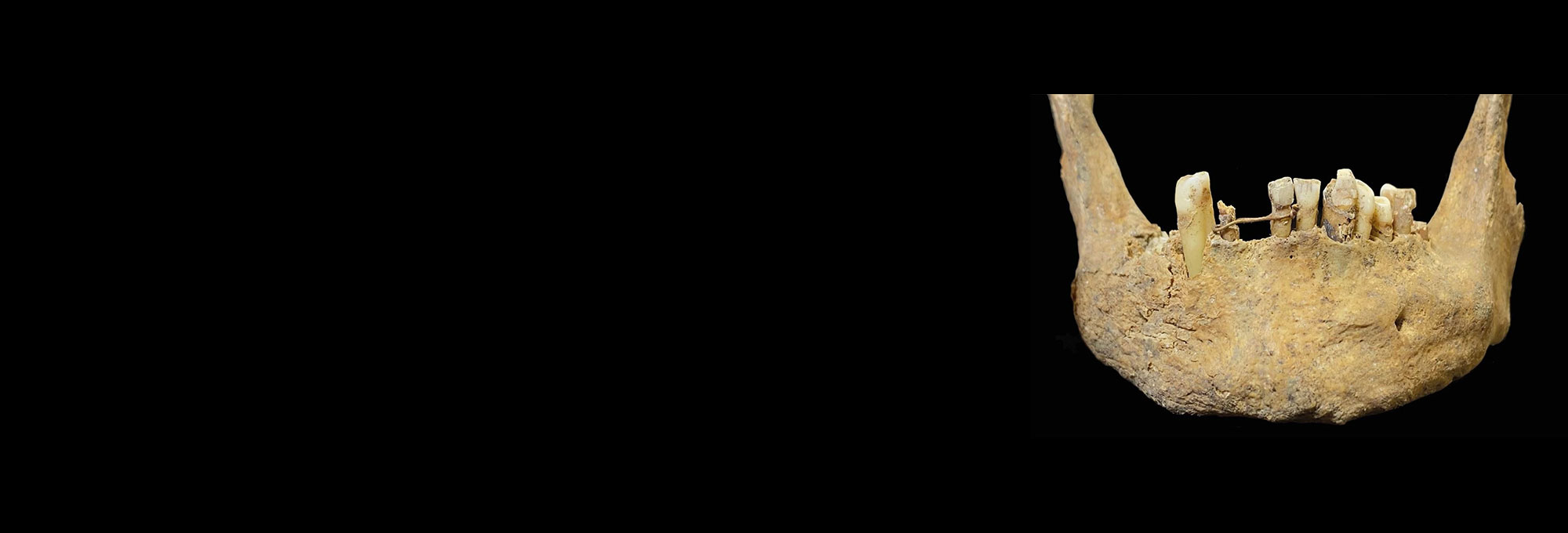
ABERDEEN, SCOTLAND—Live Science reports that a dental bridge was discovered on the lower jaw of a man whose remains were unearthed at St. Nicholas East Kirk in northeastern Scotland. The man was middle-aged when he died sometime between 1460 and 1670, said bioarchaeologist Rebecca Crozier of the University of Aberdeen. The bridge was made of a gold wire, called a ligature, that was wrapped around two front tooth roots to span the gap between them. The wire was probably fashioned and installed by a jeweler, she added. “The application of the ligature would likely have caused some discomfort during the procedure,” Crozier said, explaining that it likely rubbed against the root of one of the anchoring teeth, and made it difficult to bite into something hard. The man therefore may have undergone the procedure for the sake of his appearance. “The wire was either holding in place the actual lost tooth or a prosthetic tooth,” Crozier concluded. Read the original scholarly article about this research in British Dental Journal. To read about a curious dental Viking practice, go to "Toothy Grin."
Early Gold Dental Bridge Examined
News May 13, 2026
Recommended Articles
Digs & Discoveries July/August 2023
Bog Togs
Digs & Discoveries January/February 2023
Storming the Castle
Digs & Discoveries September/October 2022
Pictish Pictograms
Off the Grid July/August 2022
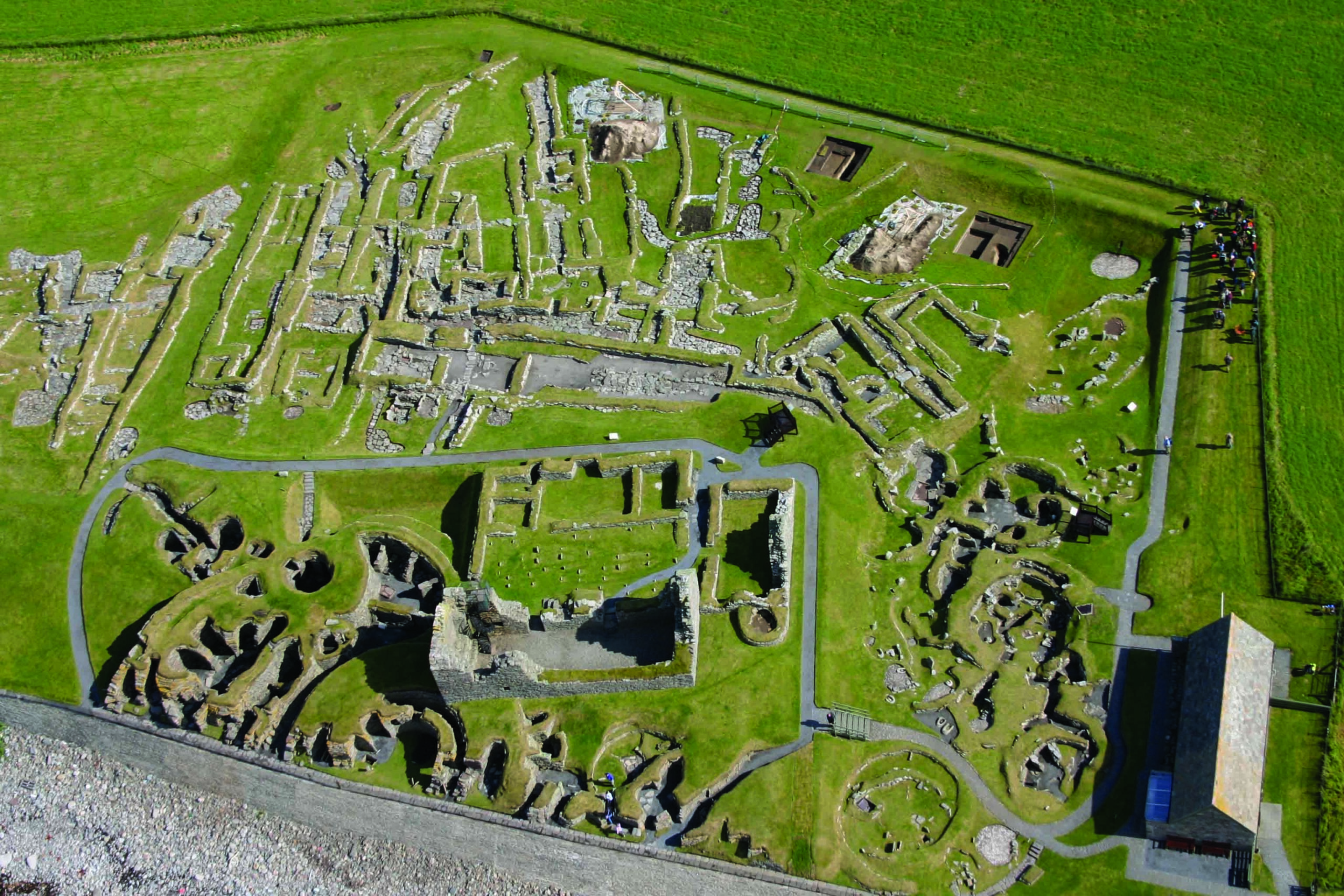
Jarlshof, Shetland, Scotland
More to Discover
Features May/June 2026
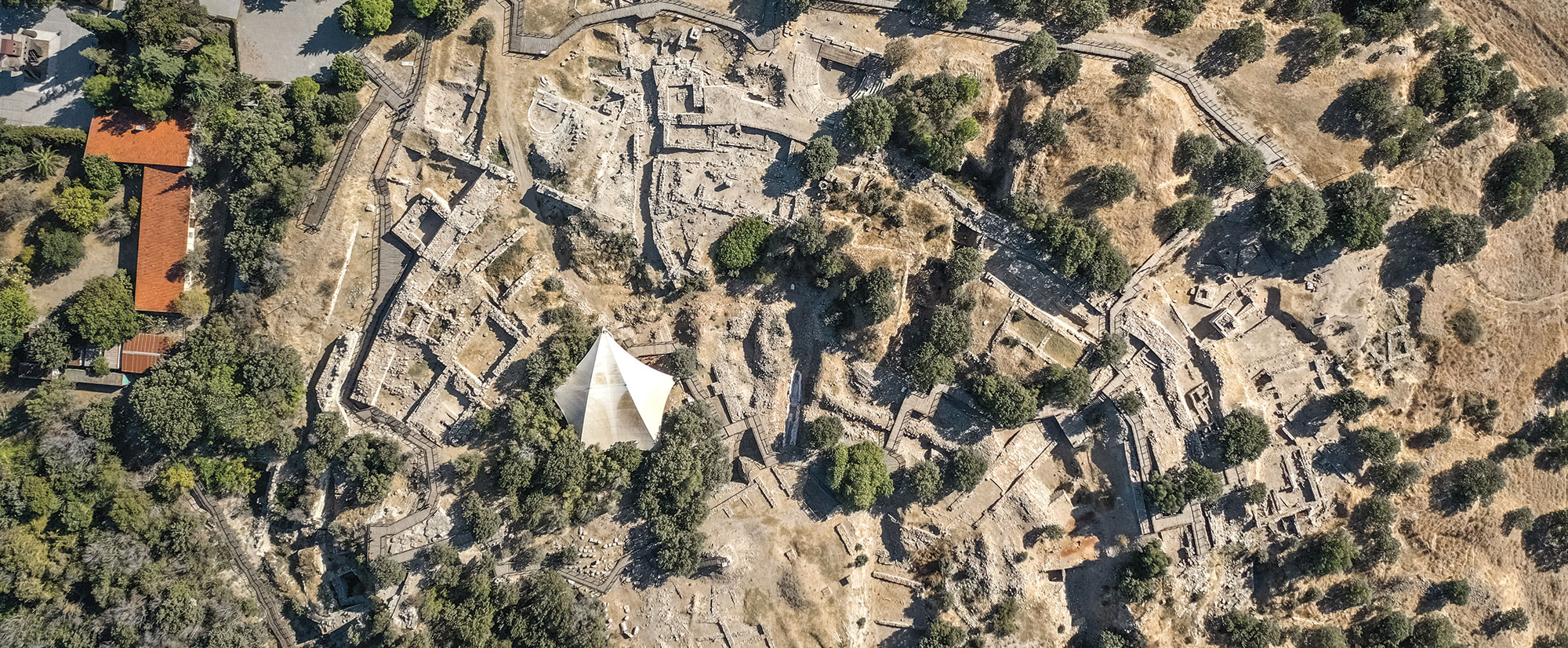
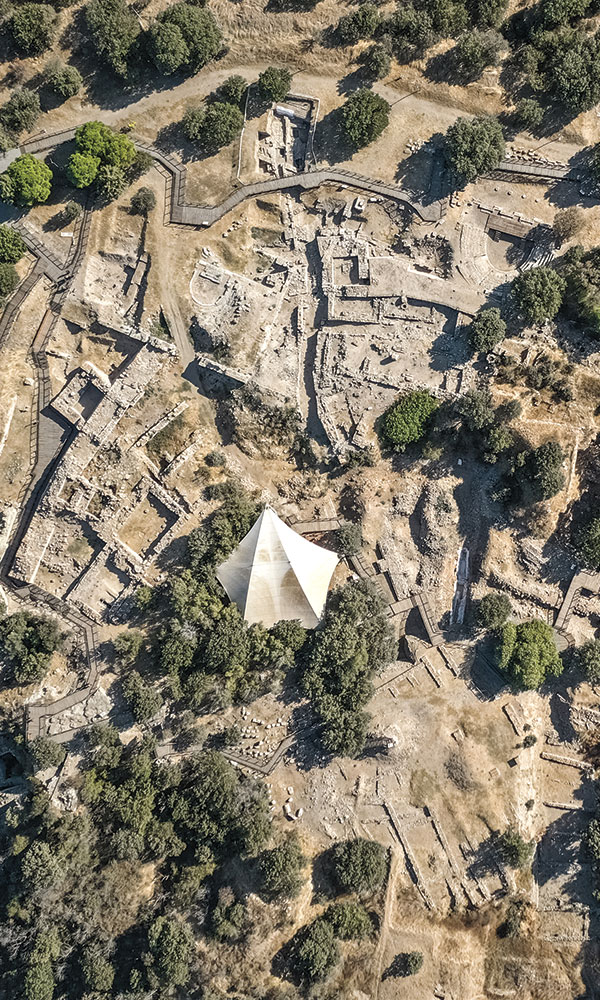
The Unexpected World of the Odyssey
Discovering the surprising inspirations behind Homer’s great tales of the Trojan War
-
Features May/June 2026
Pioneers of Lakefront Living
Why Neolithic and Bronze Age farmers in the Alps built their villages on stilts
 © APM/Frank Müller
 -
Features May/June 2026
The Last Maya Kingdom
On the shores of a lake in Guatemala, the Itzá people defied the Spanish for nearly 200 years
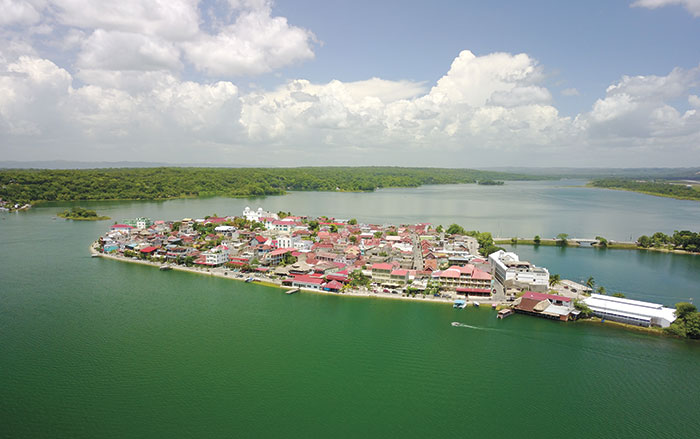 Courtesy Timothy Pugh/Itzá Archaeological Project
 -
Features May/June 2026
Art for the Ages
A surreal style of painting endured for 4,000 years in the canyonlands of West Texas
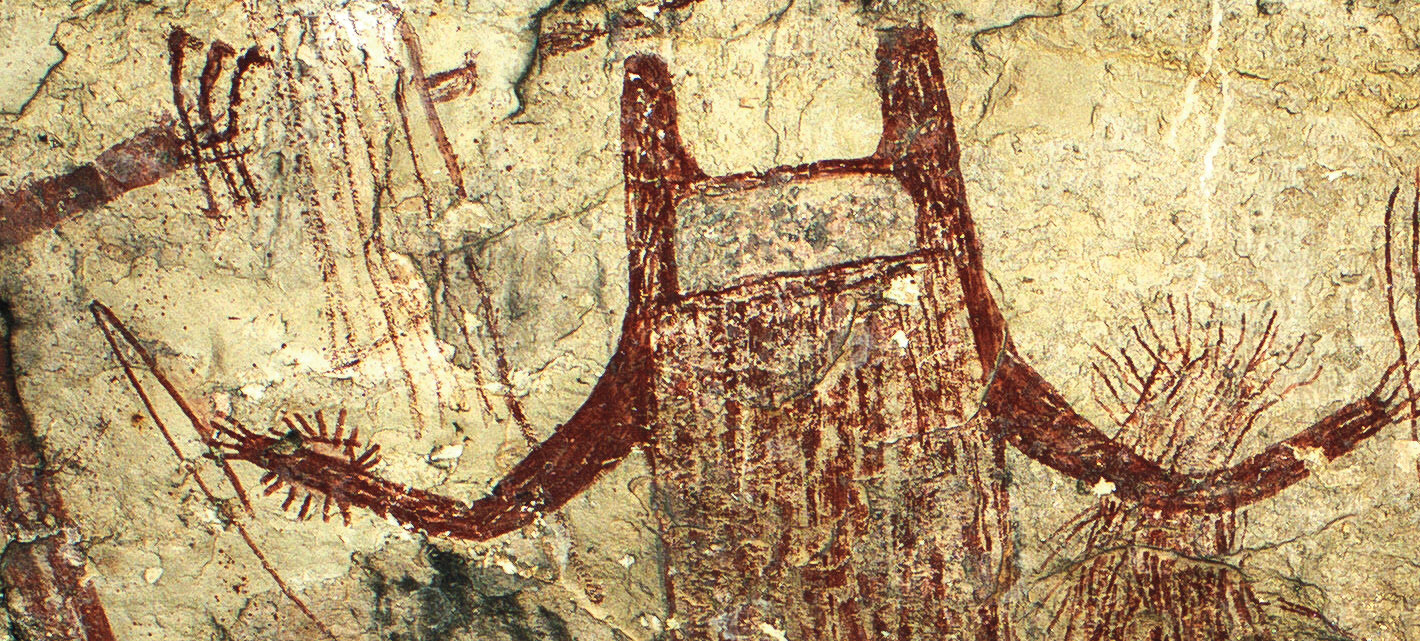 Shumla Archaeological Research and Education Center Archive
 -
Features May/June 2026
Bridge to the Past
The Yellow River brought both prosperity and calamity to China’s dazzling medieval capital
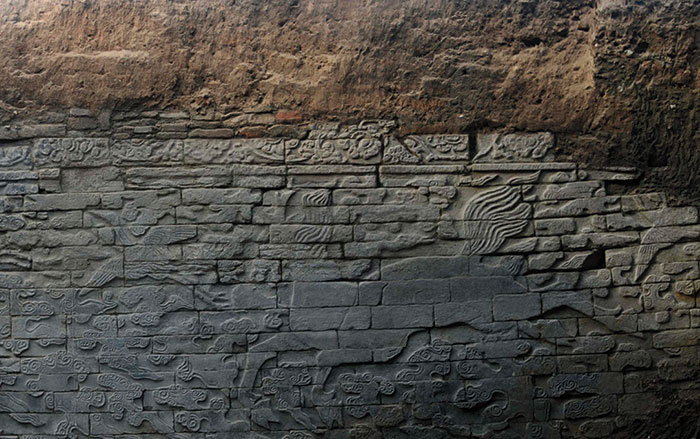 Henan Provincial Institute of Cultural Heritage and Archaeology